Bushfire recovery support and resources now available for land managers affected by the Deep Creek and Nangkita fires.

Caring for watercouses
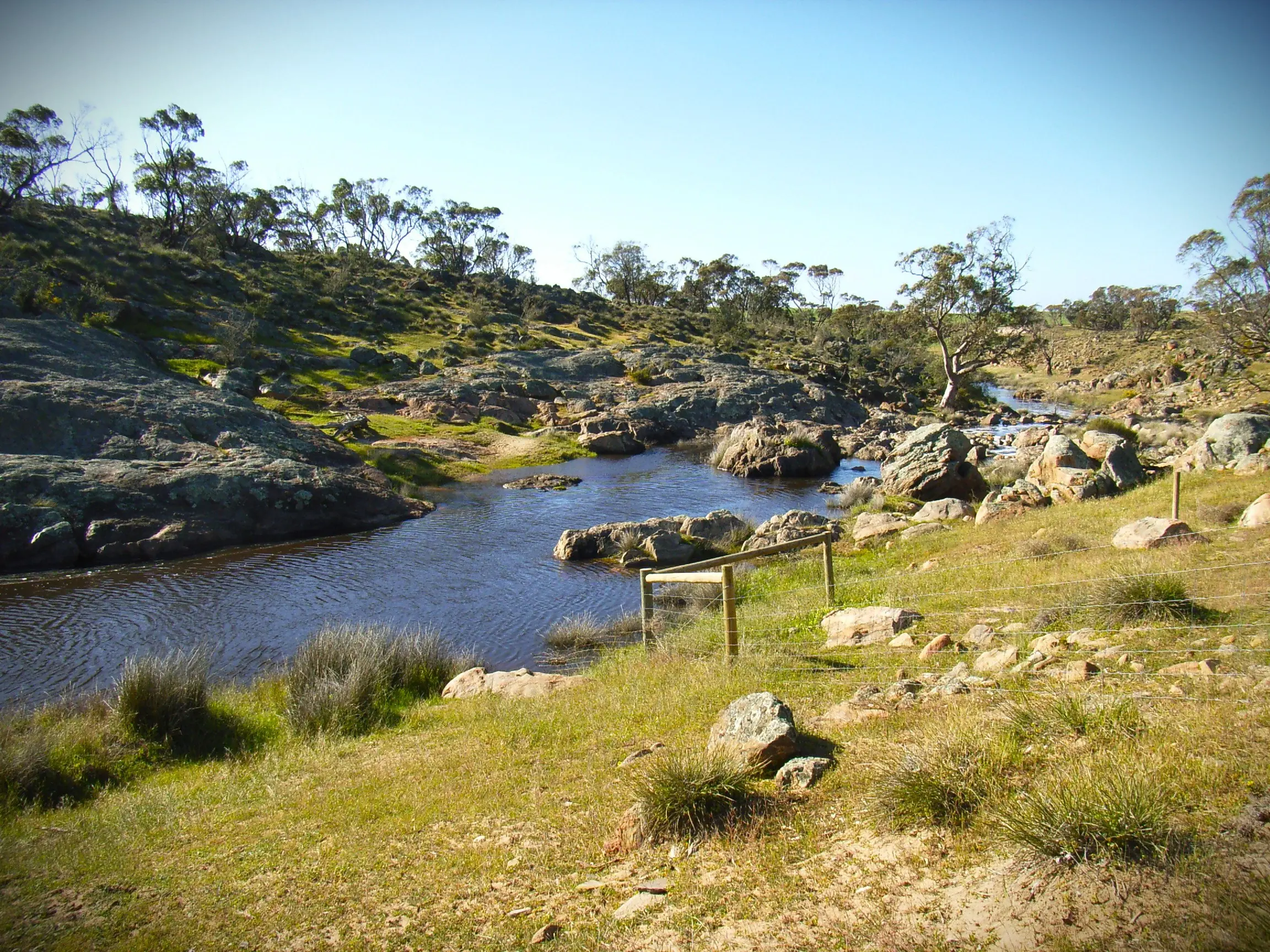
If you manage a creek or other watercourse on your property, you know how valuable it is, for your land, for wildlife, and for water quality downstream.
Healthy watercourses provide clean water, stabilise banks, and create habitat for native fish, frogs, and birds.
Looking after a watercourse can be complex, whether it's tackling weeds, managing erosion, fencing out livestock or understanding regulations.
We're here to help with practical advice and resources to support you in taking the next steps. A well-managed watercourse is an asset to your property and the landscape. Let’s work together to keep it healthy.


What is a watercourse?
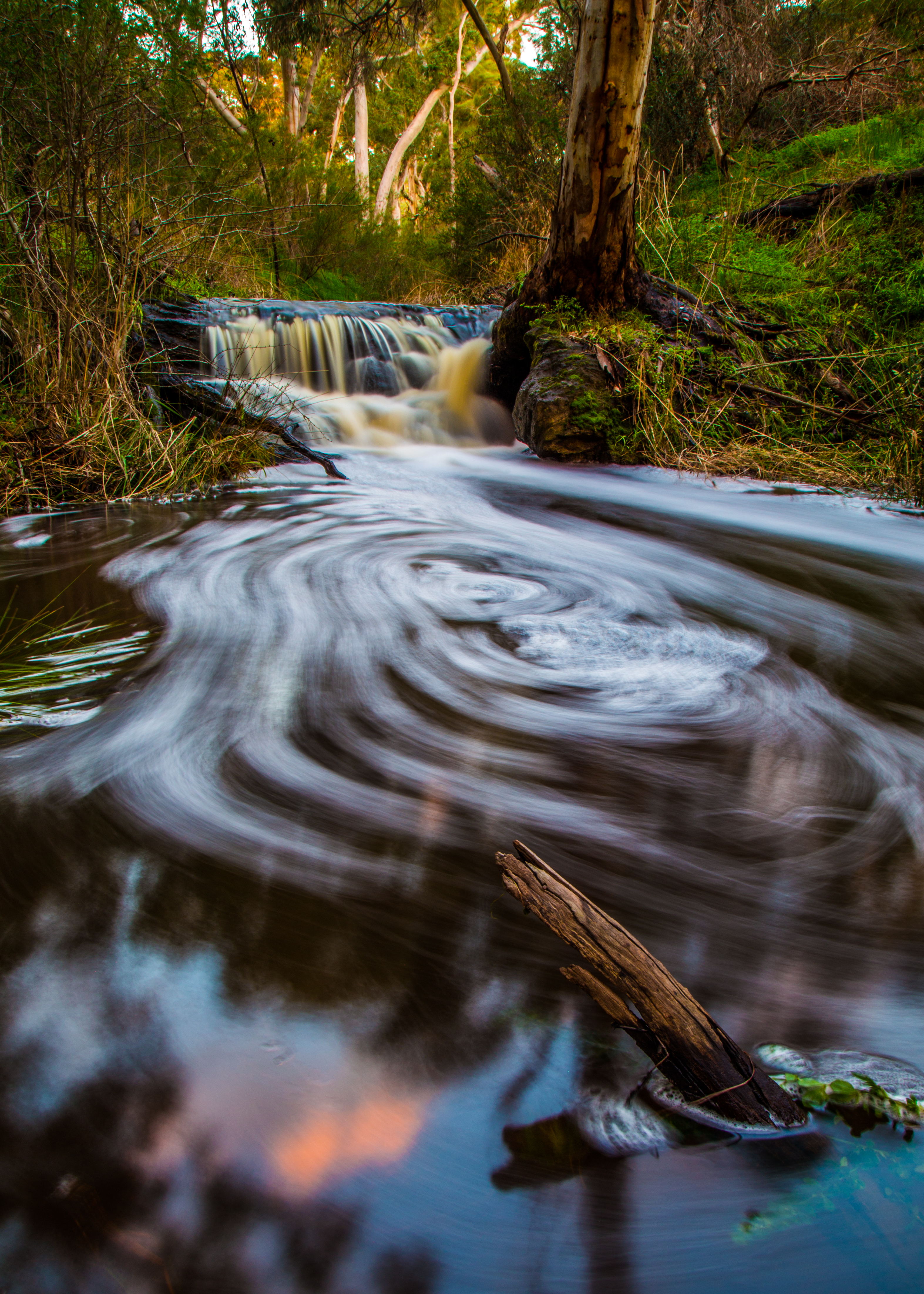
A watercourse is any flowing body of water, such as a creek, stream, or river. It can be permanent (flowing year-round) or seasonal (flowing only after rain). Watercourses play a vital role in the landscape, providing habitat for wildlife, supporting water quality, and helping manage runoff and erosion.
Caring for watercourses on your property
Managing a watercourse can feel like a big job, but it doesn’t have to be. We’ve broken it down in our 'Five steps for caring for watercourses guide' to help you protect your creek, swamp, river, or seasonal drainage line.
Define your goals
Start by getting clear on what you want to achieve. Having a clear picture of your goals will help you choose the right actions and decide where to start. Your priorities might include:
- reducing erosion and stabilising banks
- improving water quality
- providing habitat for native fish, frogs, and birds
- protecting livestock health and wellbeing
- supporting fire management
- protecting cultural heritage sites
Tackle weeds and pest animals
Weeds and pest animals can do serious damage to watercourses if left unchecked. Staying on top of them is a key part of keeping your watercourse healthy.
Managing weeds
Watercourse weeds often take hold along banks and channels, forming dense thickets that push out native plants and destabilise banks, blackberry and willows are common culprits. Willows, in particular, can divert flow and prevent native groundcovers from growing, increasing the risk of erosion.
- Target woody weeds and exotic trees in summer or early autumn when water levels are low.
- Tackle bulb weeds, like watsonia or three-cornered garlic, in spring for the best results.
- Be careful with large-scale weed control — disturbing soil or removing vegetation cover can trigger erosion.
Controlling pest animals
Pest animals like rabbits, foxes, deer, and goats can:
- prevent native plants from regenerating
- cause erosion by disturbing soil and grazing vegetation
- spread weeds
- shelter in weedy areas along watercourses
Effective pest control, alongside weed management, helps protect the long-term health of your watercourse.
Fence to exclude livestock
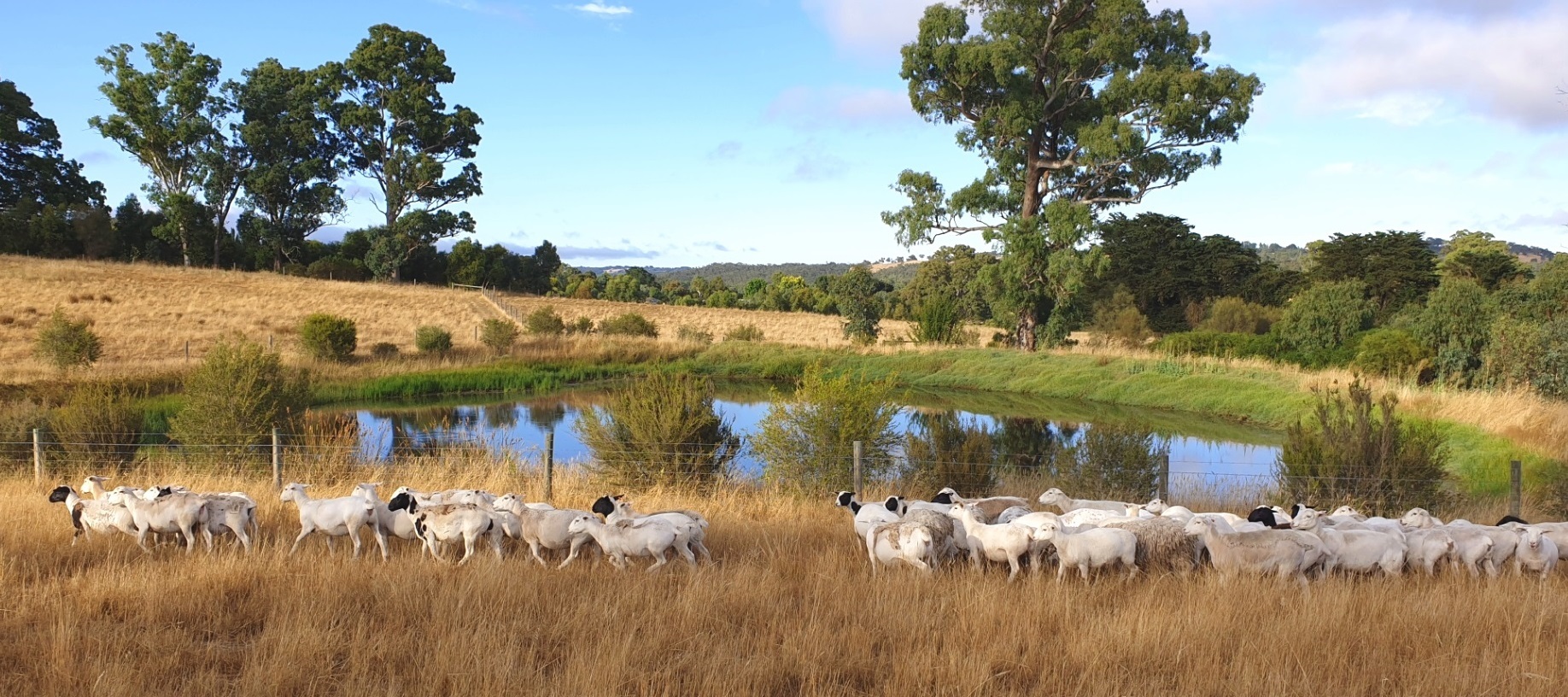
Fencing off your watercourse is one of the most effective ways to protect it and it comes with plenty of benefits for your stock and your farm.
Livestock can cause damage by:
- trampling and grazing native plants
- compacting soil and increasing erosion risk
- polluting water with manure and urine
- damaging aquatic habitats
- spreading weeds
Fencing helps to:
- protect water quality and reduce erosion
- allow vegetation to recover, stabilising banks and providing shade
- reduce the risk of stock injuries and make grazing management easier
It also pays off on-farm: research shows livestock growth rates can improve by up to 25% when animals drink from troughs rather than directly from watercourses.
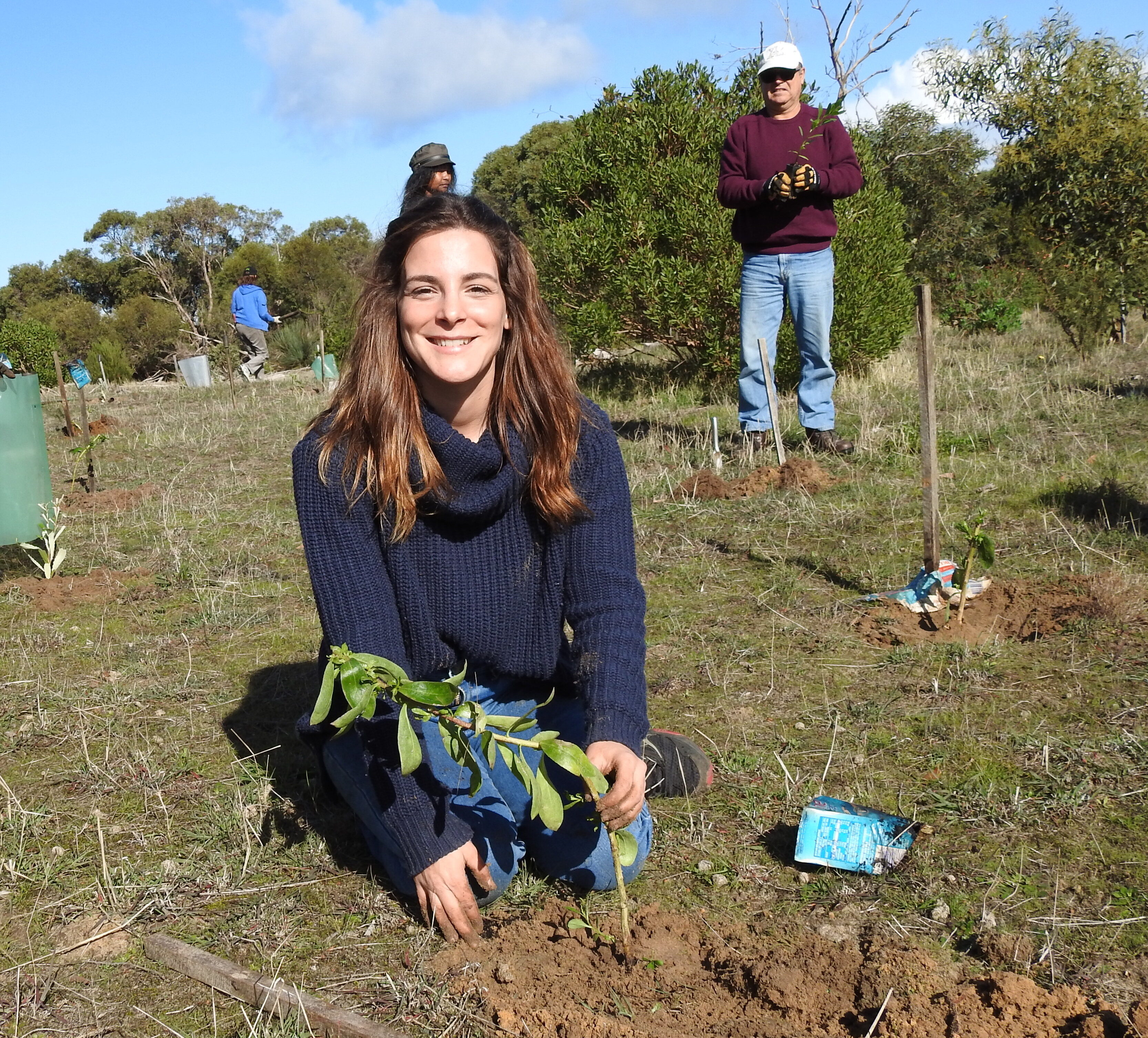
Consider native vegetation and revegetation
Healthy watercourses lined with native plants can become some of the most vibrant and biodiverse areas on your property — and bring beauty and peace of mind at the same time.
Native vegetation helps by:
- providing habitat for birds, frogs, reptiles, turtles, rakali, possums, bats, koalas, and insects
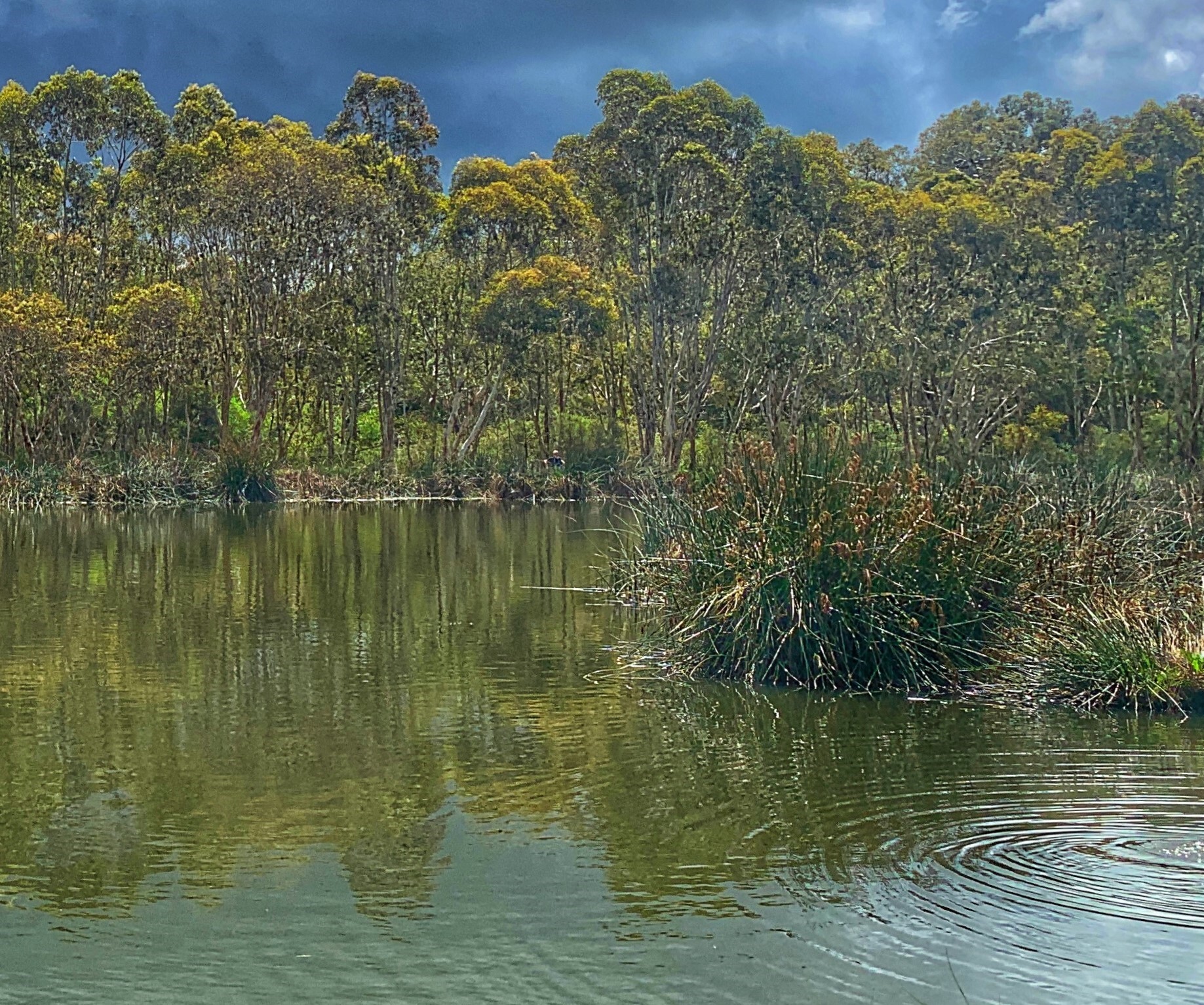
- filtering sediment and stabilising banks with reeds, rushes, and other aquatic plants
- slowing water flow and reducing flood impacts
- supporting farm productivity by offering shade, wind protection, natural pest control, and pollinator habitat
Revegetation tips:
- If you’ve fenced off your watercourse, consider waiting a year before planting — native plants often regenerate naturally once grazing stops.
- Watch for weed regrowth and seek advice if you’re unsure what's coming up.
- Where exotic grasses dominate, start by planting hardy trees, shrubs, and small patches of sedges.
- Even a simple mix of pasture grasses and scattered native trees is better than allowing grazing to continue.
Planting for wildlife:
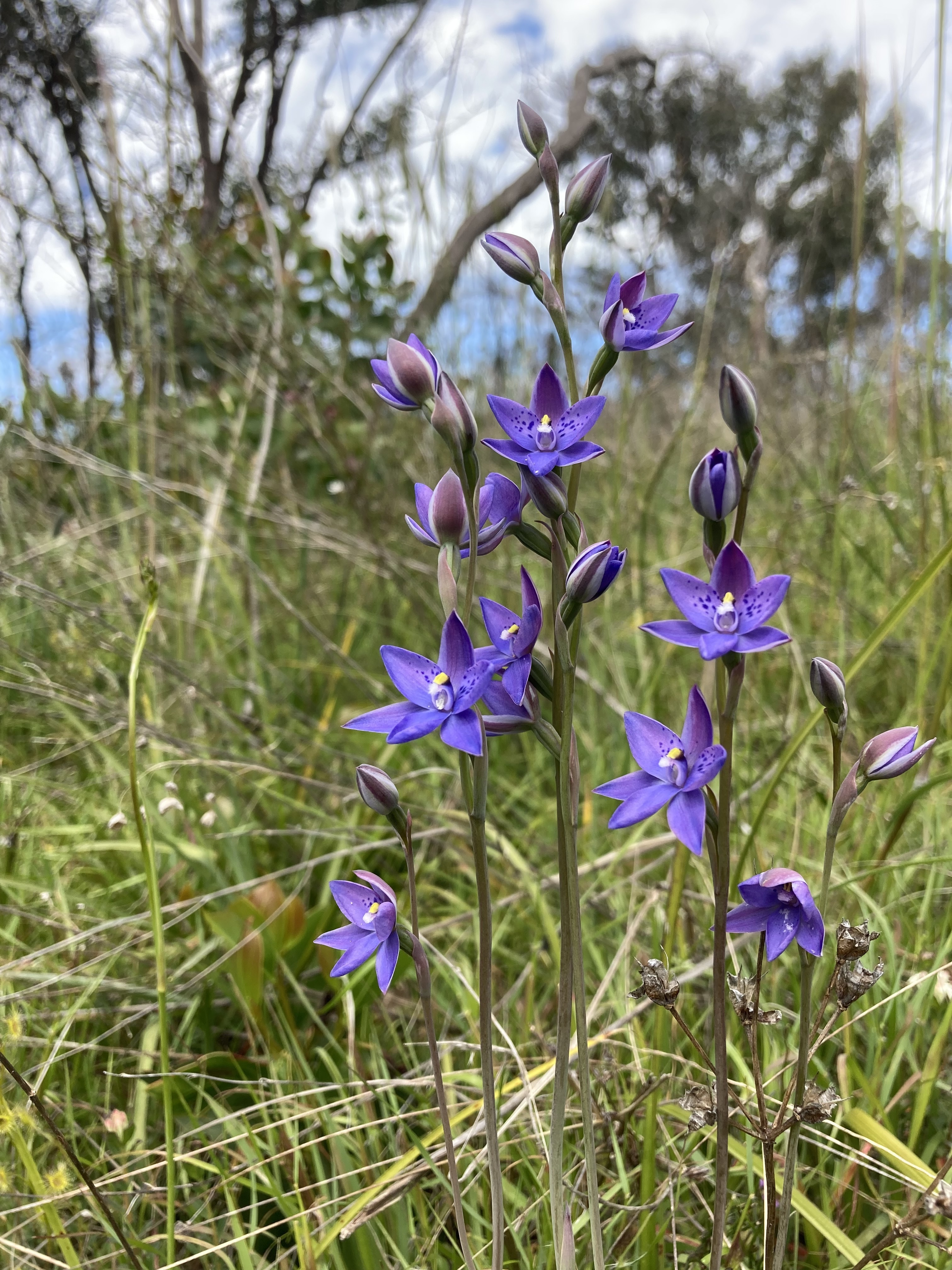
- Frogs thrive in areas with reeds and sedges — these plants help tadpoles survive and attract insect life.
- Birds rely on dense riparian vegetation for shelter and food. Waterbirds need reeds, while woodland birds favour mature trees.
- Reptiles benefit from fallen timber, rocks, and healthy insect populations — simple habitat features you can add around your watercourse.
- Native fish need healthy vegetation, regular flows, and cool, shaded waters.
For more details on what species to plant in your area, check the native vegetation section on our website.
Knowing when - and how - to manage erosion
Some erosion is a natural part of how watercourses change over time. But when it accelerates, it can damage native vegetation, infrastructure, and productive land — and impact water quality downstream.
Managing erosion can be complex and often involves factors beyond your property boundary. Getting the right advice before you act can save time, money, and effort.
What to look for
- exposed or bare soil
- small waterfalls or drops in the creek bed
- vertical or undercut banks
- scouring around fallen trees
- exposed roots along banks
Managing erosion — step by step
- Observe and monitor: Is the erosion active or getting worse, or has it stabilised?
- Identify the type of erosion: Is it bed deepening (down-cutting) or bank slumping?
- Assess the risk: Is it threatening native vegetation, infrastructure, or farmland? If not, and it’s slowing, action may not be needed.
- Seek advice: If action is needed, speak to our stewardship team for tailored advice.
- Use skilled contractors: Erosion works often require experience, permits, and proper planning.
- Inspect and maintain: Regular checks help prevent future problems.
A Water Affecting Activity (WAA) permit is required for most erosion works, including installing or repairing control structures. Always check with us before starting. For larger works, like rock walls over one metre high, you may also need approval from your local council.

Do I need a Water Affecting Activity Permit?
Find out when a Water Affecting Activity permit is needed and how to obtain it before starting your project.
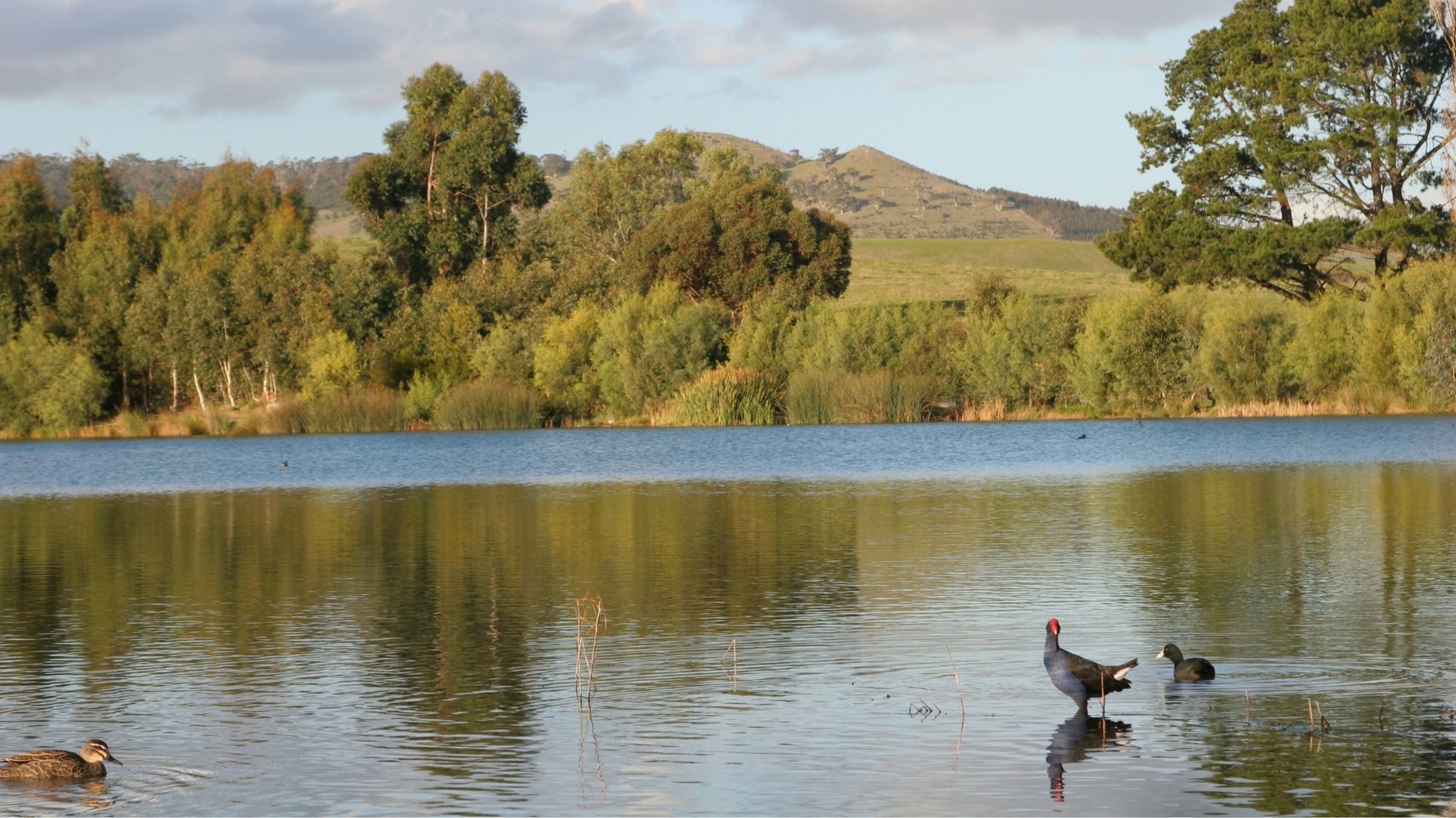
Protecting wetlands on your property
Looking after wetlands on your property plays a vital role in protecting water quality, biodiversity and soil health. Even small actions such as protecting existing swamps, reducing threats or planting sedges and rushes can make a big difference.
Why wetlands are important
Wetlands provide many benefits, including:
- filtering nutrients, sediments and pollutants from water
- slowing and storing water, reducing erosion and improving water availability
- storing carbon in soils and plants
- providing habitat for many native species, including threatened species
- supporting cultural heritage, recreation and tourism.
What you can do
Most wetlands in our region are on private land, so the decisions you make are critical to their conservation. If you own land, the most important things you can do are to:
- retain any existing wetlands
- remove threats, such as weeds and pest animals
- reverse past impacts where possible.
Funding support may be available to assist with these activities.
Download the caring for watercourses guide
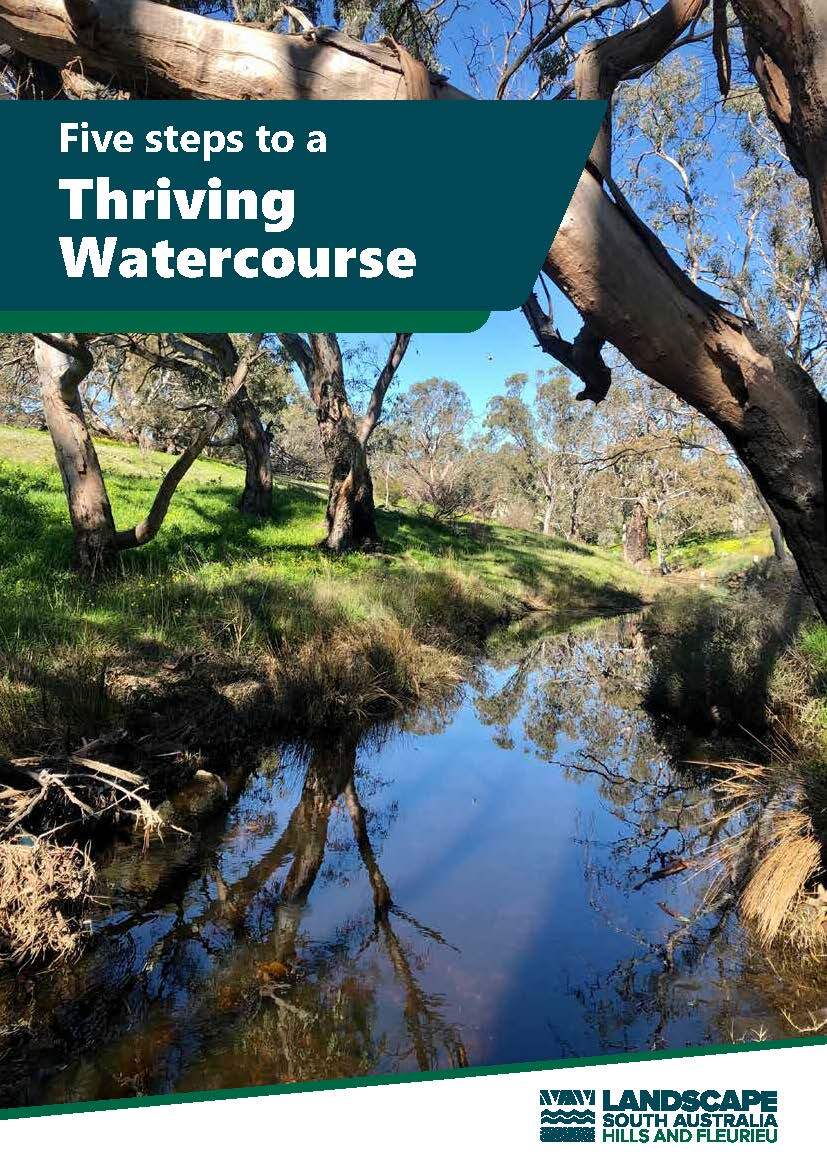
Ready to take action? Our 'Five steps to a thriving watercouse' guide makes it easy to get started with practical advice you can follow at your own pace. Whether your watercourse is a small creek or a larger river, this guide will help you plan your work, avoid common mistakes, and set your watercourse up for long-term health.
Download the guide and take the first step towards protecting and restoring your watercourse today.