Bushfire recovery support and resources now available for land managers affected by the Deep Creek and Nangkita fires.

Protecting native vegetation
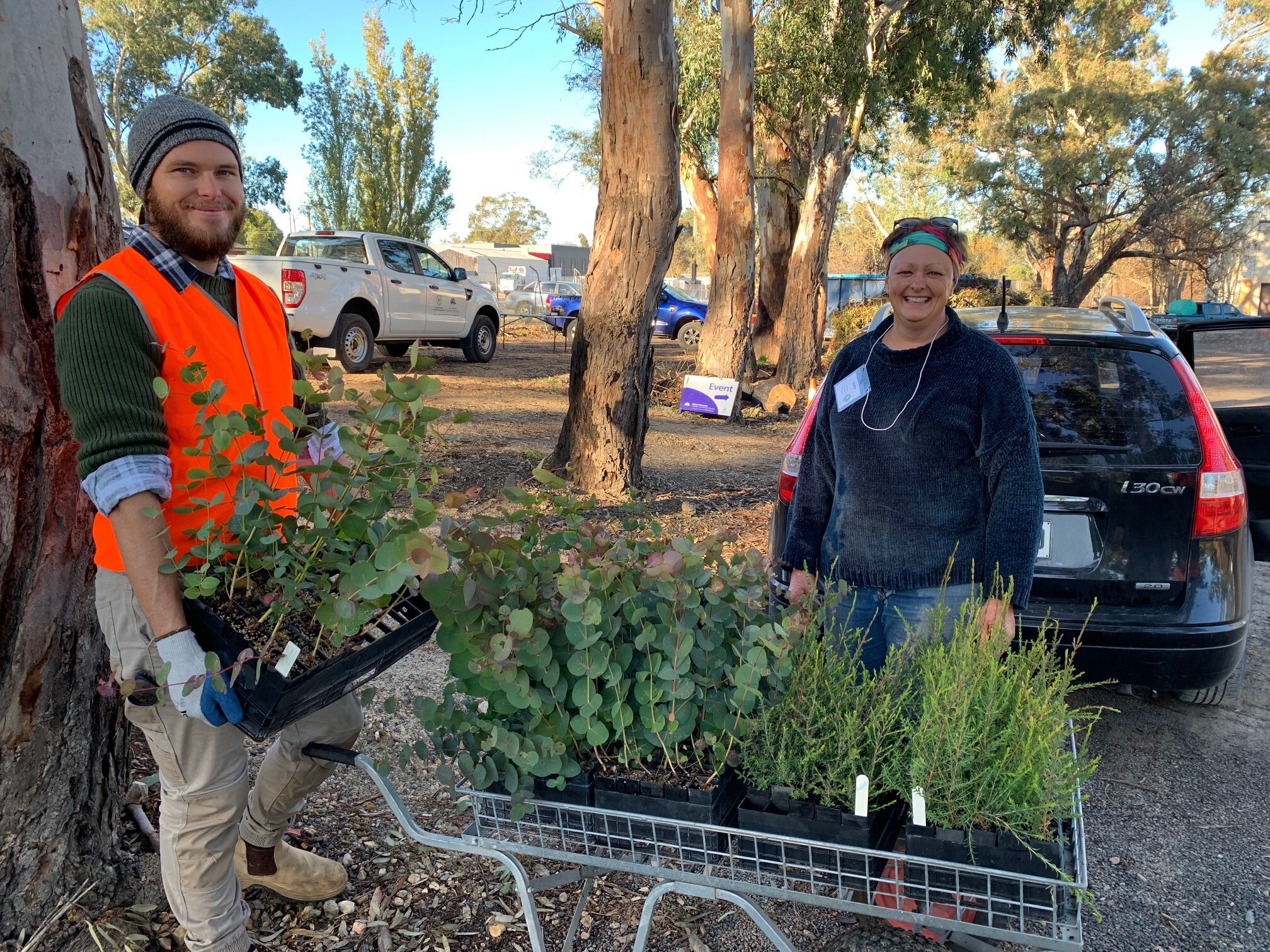
Caring for native vegetation on your property is essential for the health of your land, your farming practices and the environment.
Native plants help improve water quality, prevent soil erosion, and provide valuable habitats for wildlife, including pollinators and native animals. They also play a crucial role in regulating the climate by acting as carbon sinks and providing windbreaks for your stock.
With less than 30% of native vegetation remaining in South Australia’s agricultural areas, it’s more important than ever to protect and manage these vital ecosystems. By caring for native vegetation on your property, you not only help the environment but also improve the sustainability of your farming practices and support biodiversity for future generations.

5 steps to managing native vegetation
Managing native vegetation doesn’t have to be overwhelming. The Five Steps to Thriving Native Vegetation Guide breaks it down to help you care for and protect these valuable resources on your land.
Plan to succeed
Start by building a clear plan. By understanding your goals and how you’ll achieve them, you can stay focused and ensure the long-term success of your efforts. A plan will help guide your decisions and make it easier to track your progress.
You will need to consider:
- Do you have any rare or threatened plant or animal species?
- What are the most degrading influences, e.g. livestock access, weeds, overabundant kangaroos?
- Some actions may require multiple years of follow-up, e.g. weed control
- Your time and money. Will you hire a professional contractor, DIY or both?
Identify the type of native vegetation you have
Your property may include different broad vegetation types, such as forest, woodland, or heath. This often depends on factors like soil type, topography, and aspect. Larger properties may have a mix.
Keep in mind that past clearing or grazing can change how vegetation looks. For example, grazing may have reduced the shrub layer in a heathy woodland, making it appear more like a grassy woodland today.
Identify the dominant plant species
To find out which native plants once grew at your location, use NatureMaps to look up your area’s vegetation community type. If your property includes a range of features such as hilltops, slopes or creek lines, you may find more than one vegetation community type.
Once you have the vegetation code, download the fact sheet and plant list. Many of these plants will be available from your local native nurseries.
Map your native vegetation
Map your native vegetation to show where it is on your property and how large or small each area is.
For small areas, a simple hand-drawn mud map is fine. For larger areas, you can use Google Maps to find an aerial image, then copy it using your computer’s Snip & Sketch tool and add it to your action plan. You can mark it up by hand or use tools like Microsoft Word Drawing Tool.
Map threats, condition, and values
Displaying information on a map can help you identify and prioritise actions. It is important to:
- Map the location of threats within the native vegetation
- Mark the condition of the vegetation (good, fair, poor)
- Map significant natural and cultural values (the special things
Threats to native vegetation include:
Weeds can smother native plants, invade creek lines, shelter feral animals and increase fire risk. They often spread along edges, disturbed areas, roadsides and waterways.
Start by noting where weeds are light or heavy across your property. If weeds are widespread, a property-scale weed management plan may help.
Correct identification is important, some native plants can look like weeds. Knowing a weed’s life cycle will also make control more effective.
Grazing by livestock, feral animals or overabundant native species can damage native vegetation, compact soil and change soil health. These impacts often build up slowly and may go unnoticed until serious damage occurs.
Record locations where there are signs of overgrazing. These could be plants being grazed, trampled or pulled out. Common grazing animals include livestock, rabbits, feral deer and goats, as well as kangaroos where numbers are high.
Dieback refers to the gradual decline and death of native vegetation over time. Its causes can be hard to pinpoint but may include insect damage, plant diseases like Phytophthora, soil compaction, salinity, dry conditions, herbicide spray drift, and build-up of soil herbicide residues.
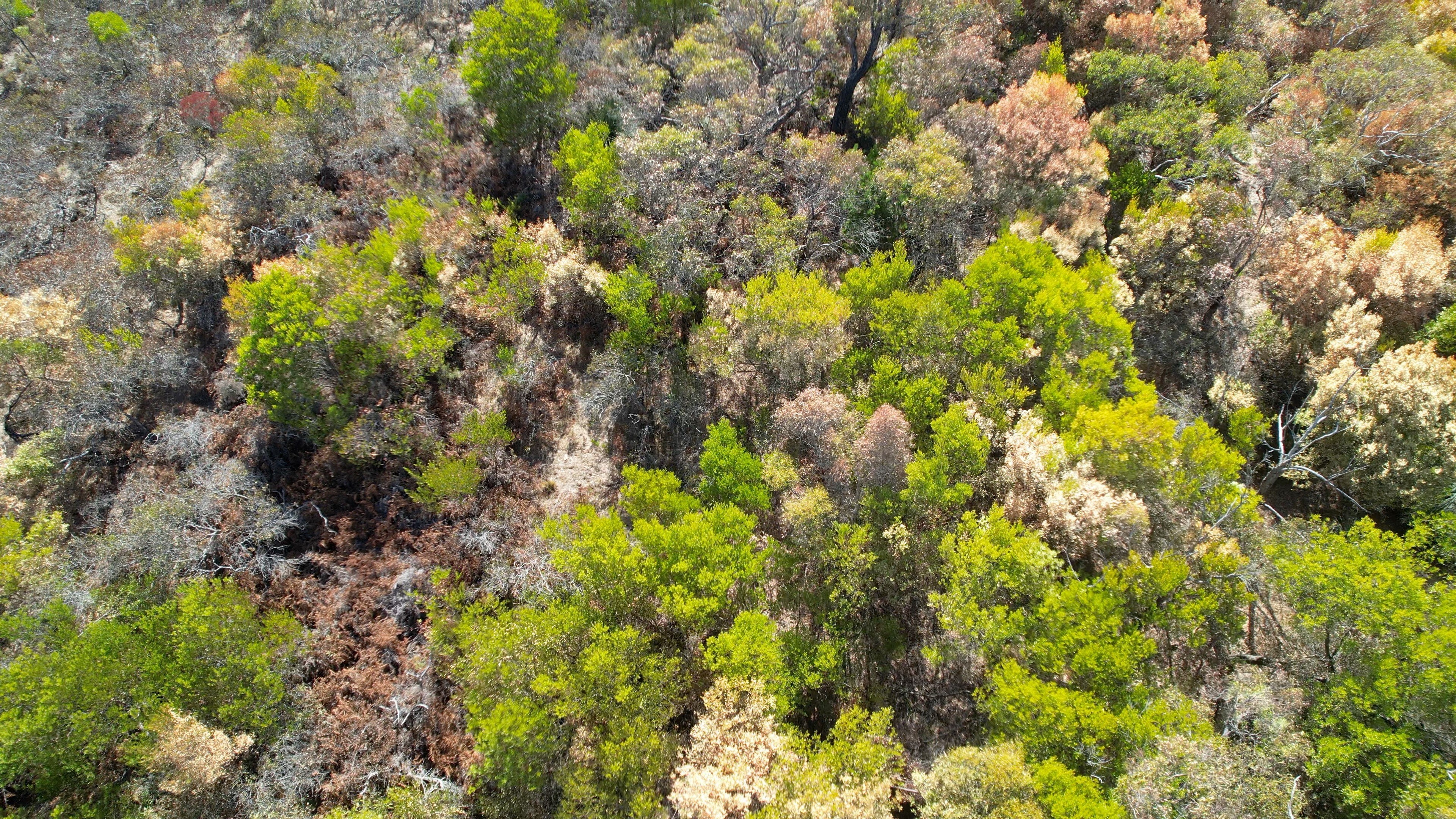
Some farm management practices can affect the health of native vegetation, including:
- Livestock impacts: Livestock can compact soil, spread weeds, and increase nutrient levels through manure, encouraging weeds and harming water quality.
- Spray drift: Chemical spray drift from nearby paddocks can damage native plants and disrupt beneficial insects and fungi.
- Fertiliser runoff: Fertilisers can wash into native vegetation and waterways, promoting algal blooms and favouring dominant plant species.
- Overgrazing: Overstocking can deplete native grasses, herbs and trees, especially where grazing has occurred long-term.
- Machinery compaction: Heavy machinery can compact soil, damaging roots and reducing water and oxygen availability, especially in wet conditions.
- Dumping and storage: Storing or dumping farm materials can smother native plants, introduce pests, and leach chemicals into the soil.
Fire has played a natural role in shaping Australia’s landscapes for thousands of years, with many native plants and animals relying on it to survive and reproduce. But when natural fire patterns change, it can upset this balance. Too little fire can stop regeneration in fire-dependent places like heathy woodlands, stringybark forests and swamps. Too much fire can harm sensitive species by overstimulating seeds or burning young plants before they mature.
The right timing between fires will vary with vegetation type and the needs of important or threatened species. It’s useful to note fire history and evidence of past fires when planning your management.
Native vegetation plays a vital role in preventing erosion caused by wind, water and animals. Without it, topsoil can be lost, making it harder for plants to grow and creating a cycle of further erosion. This is especially damaging on steep slopes, where soil can wash into waterways.
- Examples of erosion, or areas at risk of erosion, include:
- gully erosion, showing exposed and/or collapsed soil banks
- trampling or damage of dune vegetation, particularly by vehicles and livestock
- loss of fringing creek line vegetation
- tracks carved by livestock on steep hill slopes lead to significant soil erosion over time
- overgrazing of paddocks will reduce pasture cover and expose soil.
Some introduced plants also make erosion worse because their roots don’t hold soil as well as native species.
Changes to groundwater or surface water can impact native vegetation along wetlands, swamps and watercourses. These changes can reduce the
availability of water to plants and affect clarity, salinity, pH or nutrient levels.
Changes can be caused by:
- over extraction of ground water
- extraction and diversion of surface water from watercourses
- retention of water in dams.
Vegetation clearance is a major cause of habitat loss and decline of native species. It includes activities like grazing, burning, cutting, poisoning or damaging native plants, even partial removal, as well as draining or flooding land that harms vegetation.
When mapping your property, mark any areas where native vegetation has been cleared or may be at risk, including sites of past grazing, burning or other disturbance.
Native vegetation (including dead plants in certain circumstances) is protected from clearance under the Native Vegetation Act 1991. The Native Vegetation Council (NVC) can impose substantial penalties for illegal clearance. There are some exemptions for native vegetation removal in certain situations.
Some impacts of climate change may already be visible on your property, such as storm damage to coastal dunes or large-scale tree deaths after extreme heat or drought. Climate change is expected to increase the frequency of extreme weather, drought, fire risk and sea level rise, which can all affect native vegetation.
When mapping your property, mark any areas showing signs of climate-related impacts, like coastal erosion, storm surge damage, or widespread plant deaths following severe weather.
List your priorities and actions
It’s best to manage threats to native vegetation as soon as possible, but sometimes that’s not practical. Focus first on threats that could cause serious damage or have legal requirements, like controlling declared weeds.
Also think about how problems on your property, like weeds, erosion or feral animals, might affect your neighbours. Working together can help you share ideas, pool resources and stay motivated.
Actions that could be required include:
- Controlling weeds
- Removing livestock from native vegetation
- Controlling feral or overabundant animals
- Addressing the cause of dieback
- Managing Phytophthora
- Ensure best practice farm management
- Restoring watercourses
- Considering ecological burns for biodiversity
- Managing erosion
- Supporting natural regeneration
- Improving resilience in a changing climate
- Protecting native vegetation from clearing
Implement, monitor, and review
Once you’ve identified and prioritised your actions, it’s time to plan your year ahead and begin. Some actions, like fencing, can happen any time, while others, like weed control, need to be timed carefully.
Monitoring helps you see if your actions are working and decide what to do next. It can be simple or detailed, depending on what suits you.
You might:
- Take photos from the same spot each year to track changes
- Map weeds each season to check how control efforts are going
- Watch how vegetation responds after removing threats like grazing
- Check for signs of animals, like tracks, scats or camera footage
After monitoring, ask yourself:
- Are weeds reducing?
- Are herbivore numbers dropping?
- Is native vegetation regrowing?
- Has erosion slowed or stopped?
- Are dieback areas staying contained?

Find the best native plants for your location
Local native plants thrive and support wildlife. Use NatureMaps to explore your area’s original vegetation and find the best species with our plant lists and factsheets.
Ready to take action?
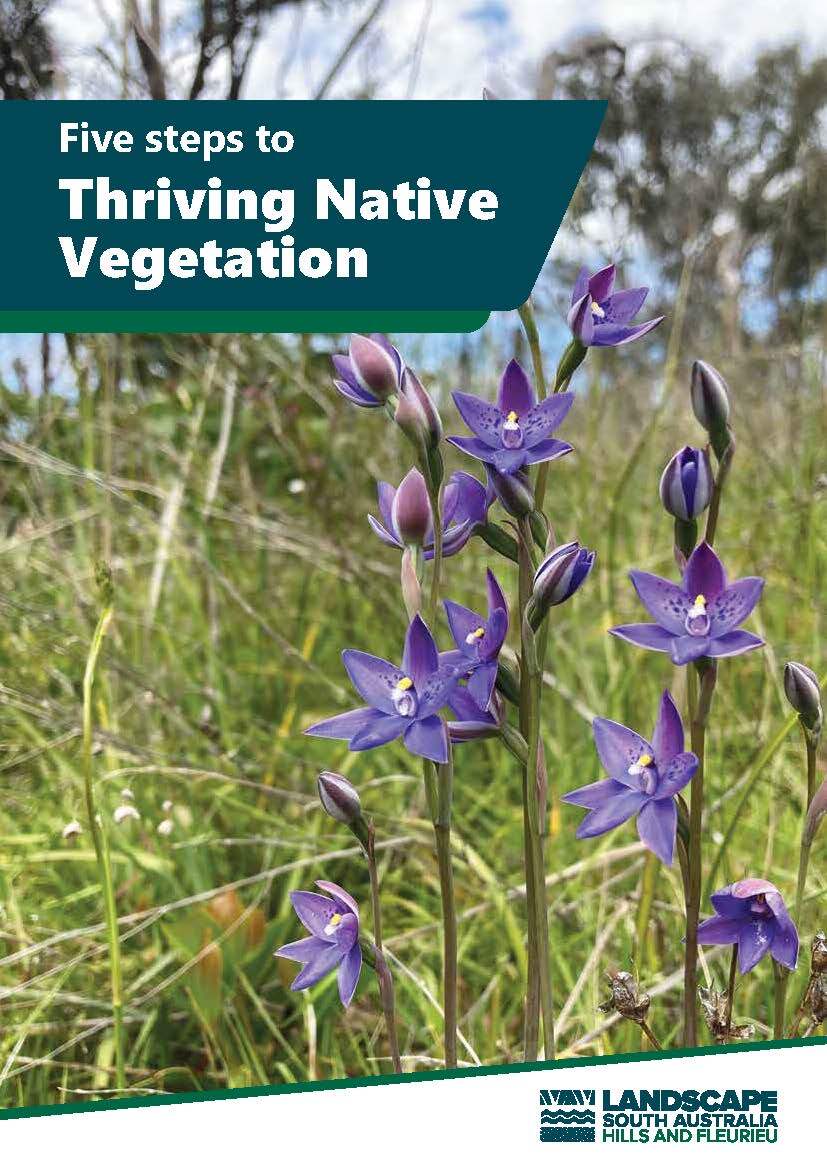
Our Five steps to thriving native vegetation guide makes it easy to get started with practical advice you can follow at your own pace. Whether you’re managing a small patch or a larger area, the guide walks you through identifying issues, setting priorities and planning your next steps.
Use the Action Plan template to map out your work, track your progress and keep on top of seasonal jobs.
Download both and start making a difference on your property today.
Native vegetation clearance
Under the Native Vegetation Act 1991, you can only clear native vegetation if it falls within the exemptions in the Native Vegetation Regulations 2003 or if you have approval from the Native Vegetation Council.
Clearance includes any activity that kills, removes, damages, or harms native vegetation. This includes grazing, burning, flooding, draining, trimming, harvesting, or any other action that causes substantial damage.
Before undertaking any clearance activity and for clearance applications visit the Department for Environment and Water website.
 Find native plants for your area