Bushfire recovery support and resources now available for land managers affected by the Deep Creek and Nangkita fires.

Our region
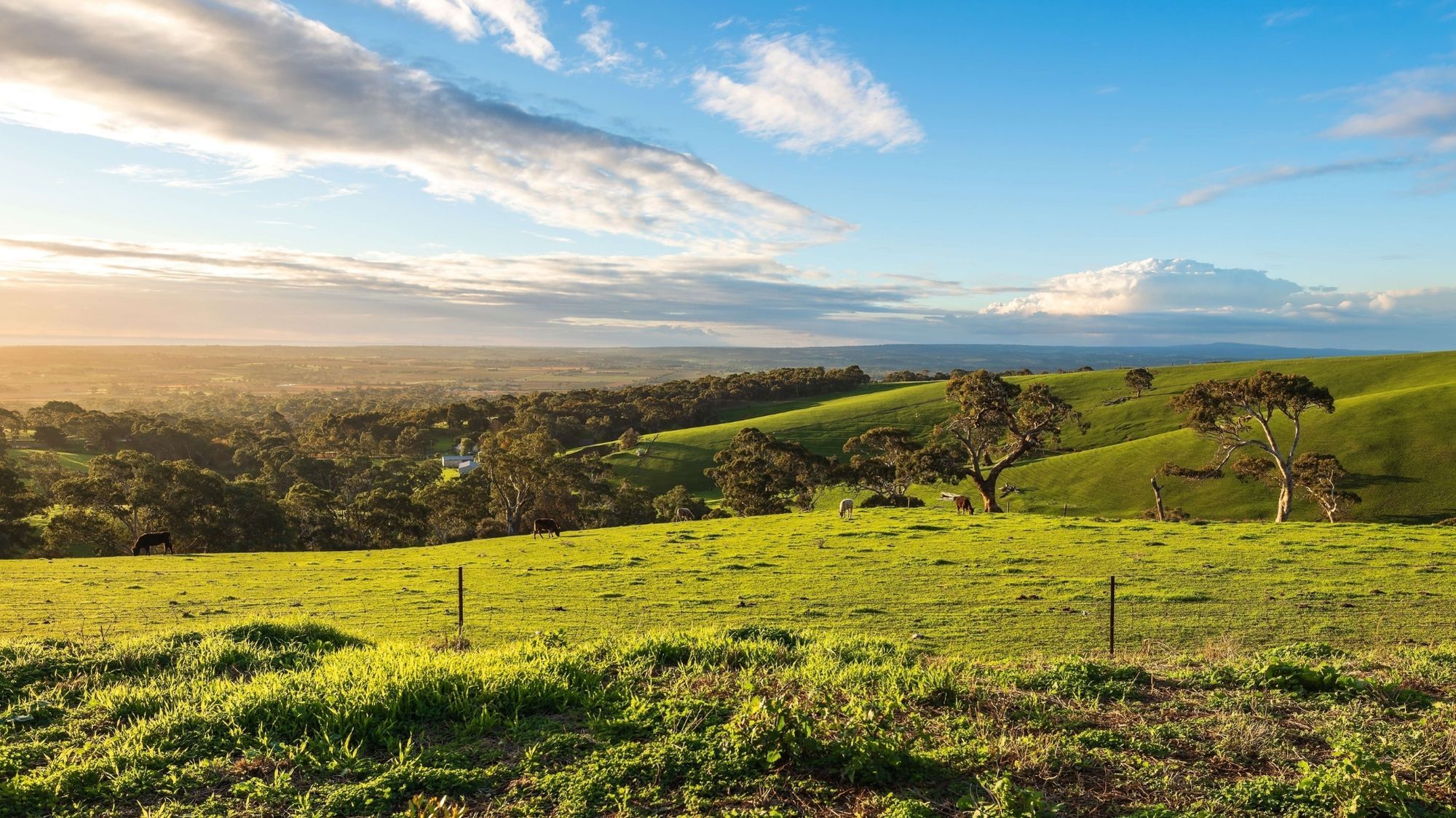
The Hills and Fleurieu region is a place of stunning landscapes and diverse wildlife. Its farmland, native bush, rugged coastlines and wetlands support many native plants, birds and animals.
The Mount Lofty Ranges is a national biodiversity hotspot, home to hundreds of native species. Coastal and marine ecosystems provide vital habitat for shorebirds and marine life. Wetlands such as the Fleurieu Swamps, and the Coorong and Lower Lakes, support diverse wildlife and play an important role in maintaining healthy ecological systems.
Beyond its natural beauty, the region is known for its strong communities, world-class food and wine, and deep cultural heritage. It is a place shaped by its people and defined by its landscapes.

Map of the region
Stretching from Kersbrook in the Adelaide Hills to Cape Jervis on the Fleurieu Peninsula, the Adelaide Hills and Fleurieu region covers 6,700 square kilometres of land, ocean, and offshore islands. The area includes 170 kilometres of stunning coastline which is bordered by the Onkaparinga River to the west and the Murray Mouth to the east. Around 130,000 people call this region home.

Cultural heritage
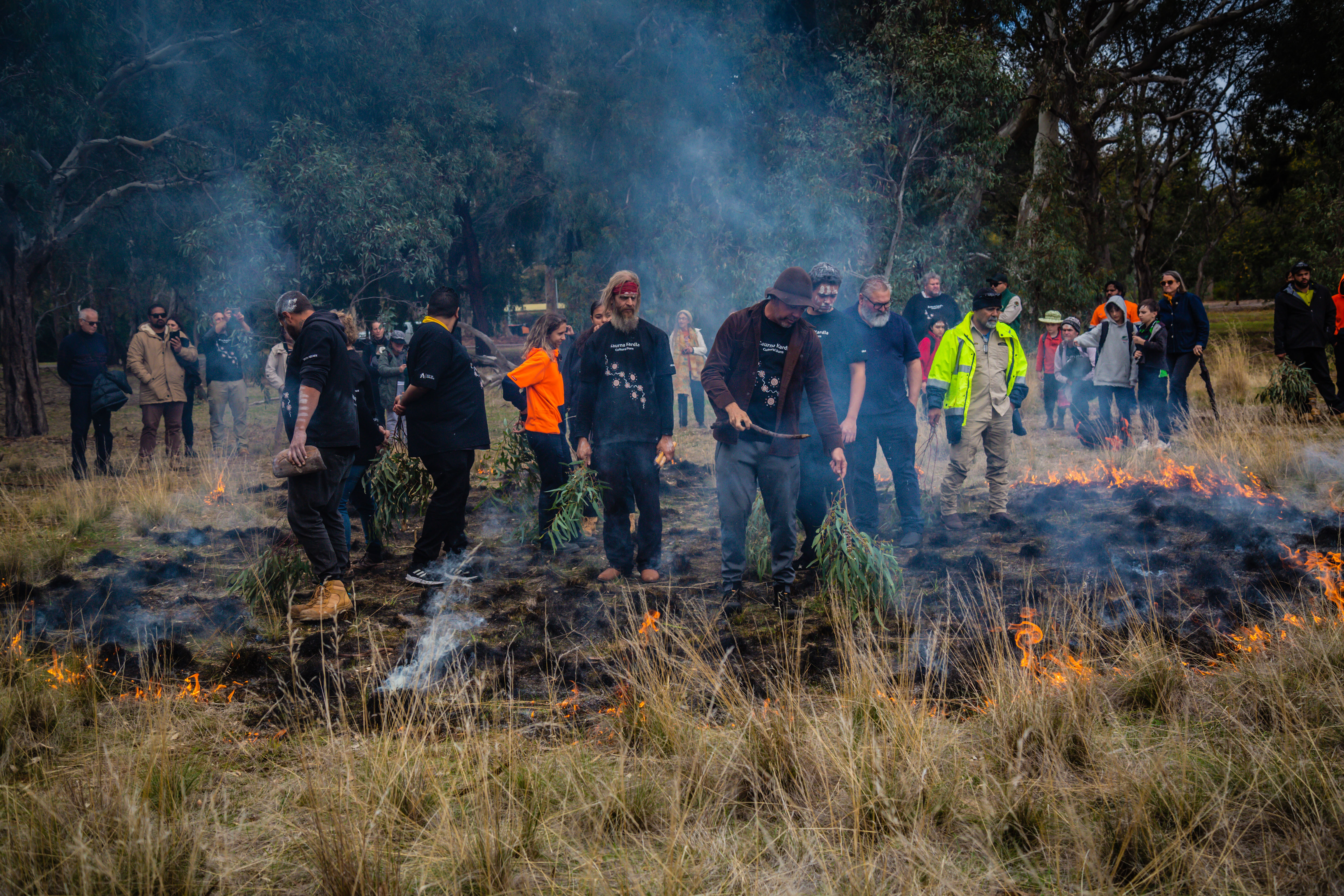
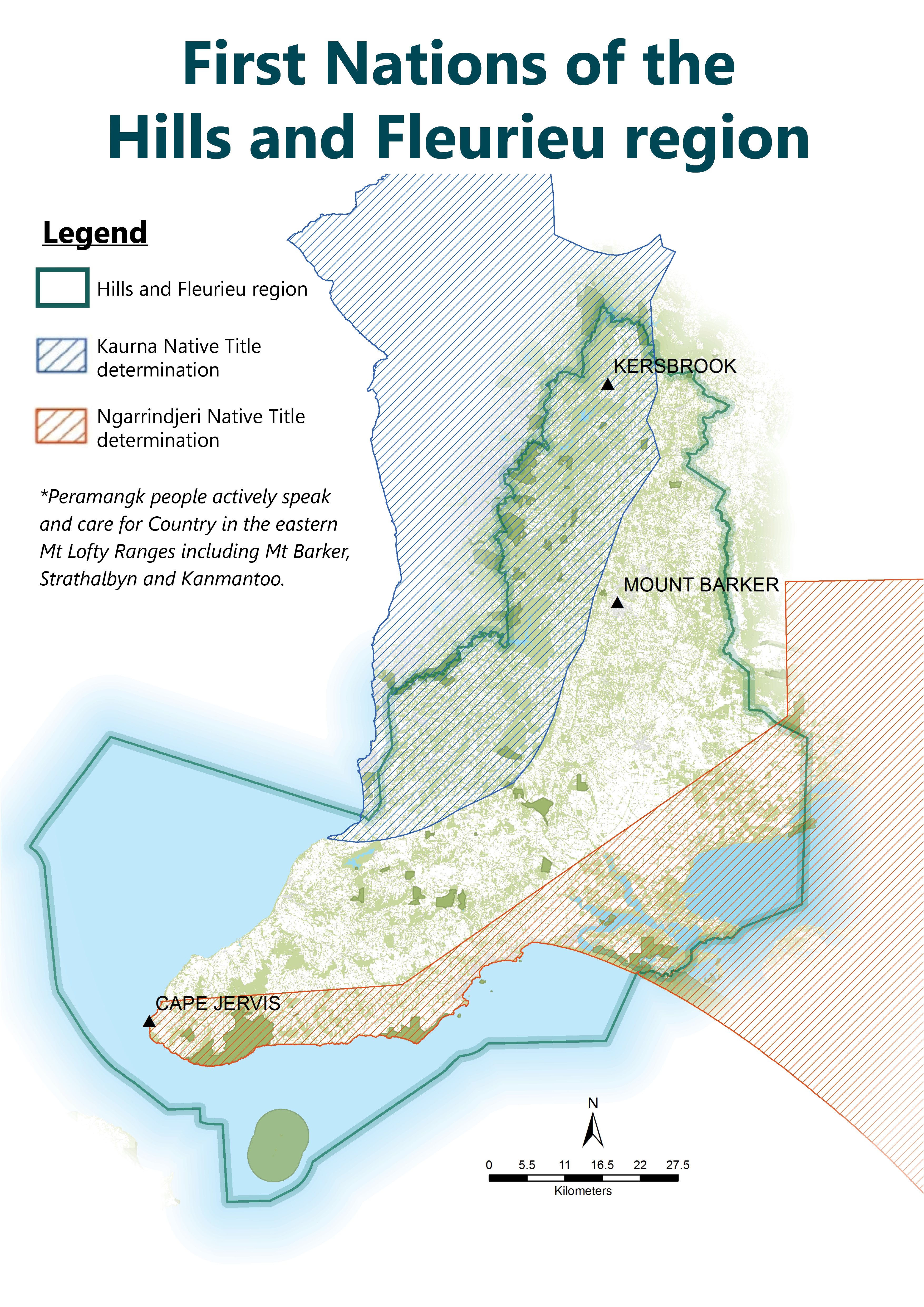
The Peramangk, Kaurna, and Ngarrindjeri Nations have cared for the lands and waters of the Hills and Fleurieu for countless generations. Their connection to Yerta/Ruwe (Country) is deep - it is part of their culture, identity, and knowledge. It includes not just the land and water but also stories, teachings, and law.
Today, First Nations people continue to care for Country, working to restore traditional land management and strengthen their role in shaping the region’s landscapes. Their knowledge and involvement are vital for a healthy future.
Environmental challenges
Our landscapes, industries, and communities face growing pressures, some from past damage, others from emerging threats and future uncertainties.
Key challenges facing the Hills and Fleurieu include
Many woodland bird and freshwater fish populations are in decline, along with other threatened and critically endangered species.
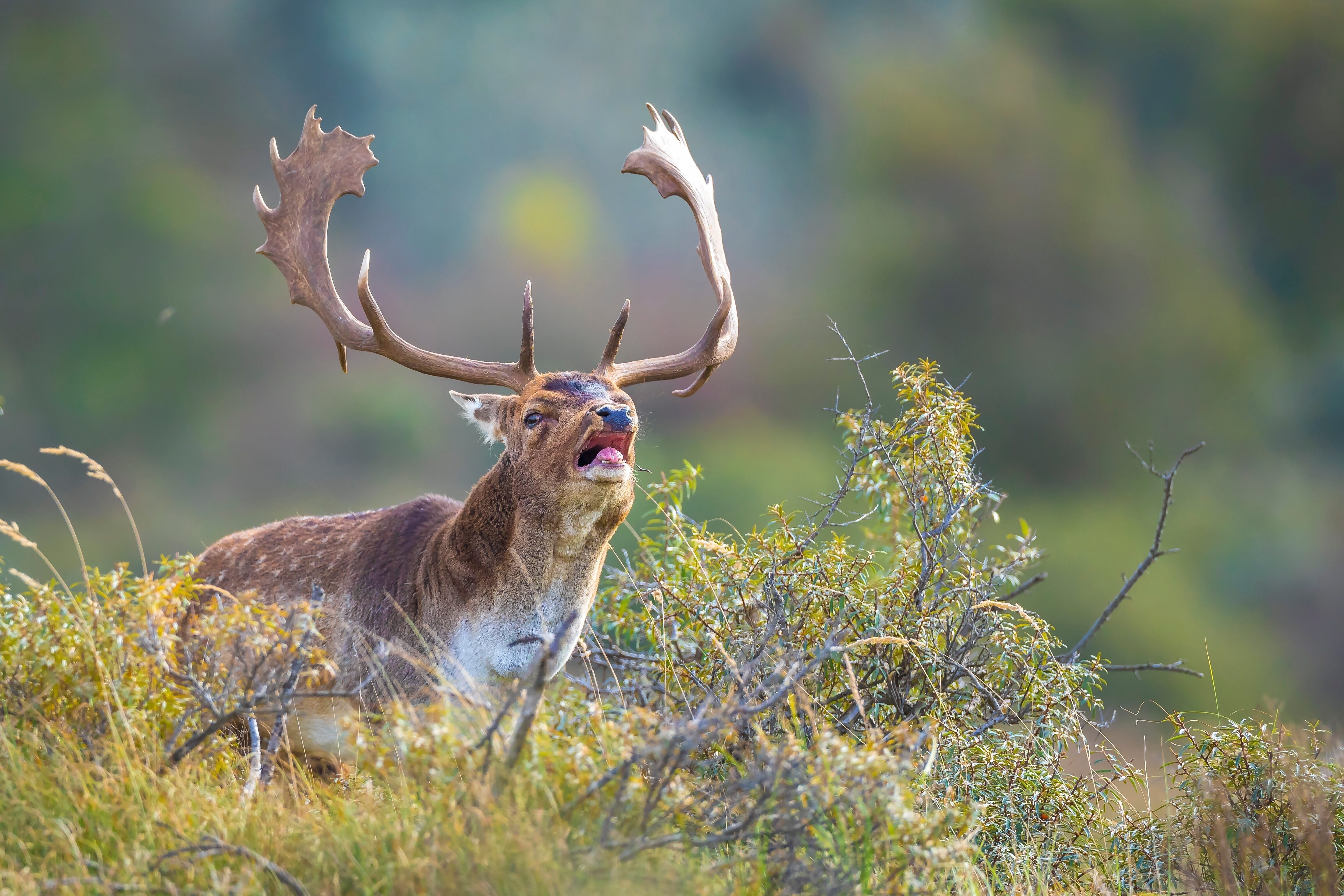
Weeds, rabbits, deer, goats, foxes, and cats put constant pressure on native ecosystems and agriculture. Even maintaining current control efforts comes at a high cost.
Kangaroos and little corellas are causing increasing challenges for primary producers, native habitats, and townships.
With declining rainfall and more unpredictable weather patterns, securing water for nature and primary industries is becoming more difficult.
Nearly half of our agricultural land is affected by soil acidity, with another 15% at high risk by 2030 if left unmanaged.
The Hills and Fleurieu region is becoming hotter and drier. Average temperatures are rising, with more hot days, warm spells, and fewer frosts. Winter and spring rainfall is expected to decline, especially in spring, leading to drier conditions across the region. These changing conditions bring new challenges for managing landscapes, water security, and biodiversity.
The threat of catastrophic bushfires is increasing. Managing fire risk while protecting vital habitats will require thoughtful land management.
Global demand is shifting, creating opportunities for sustainable, carbon-neutral food and fibre. Producers who can’t demonstrate ethical sourcing may face risks such as tariffs or reputational impacts.
Our vision for the region
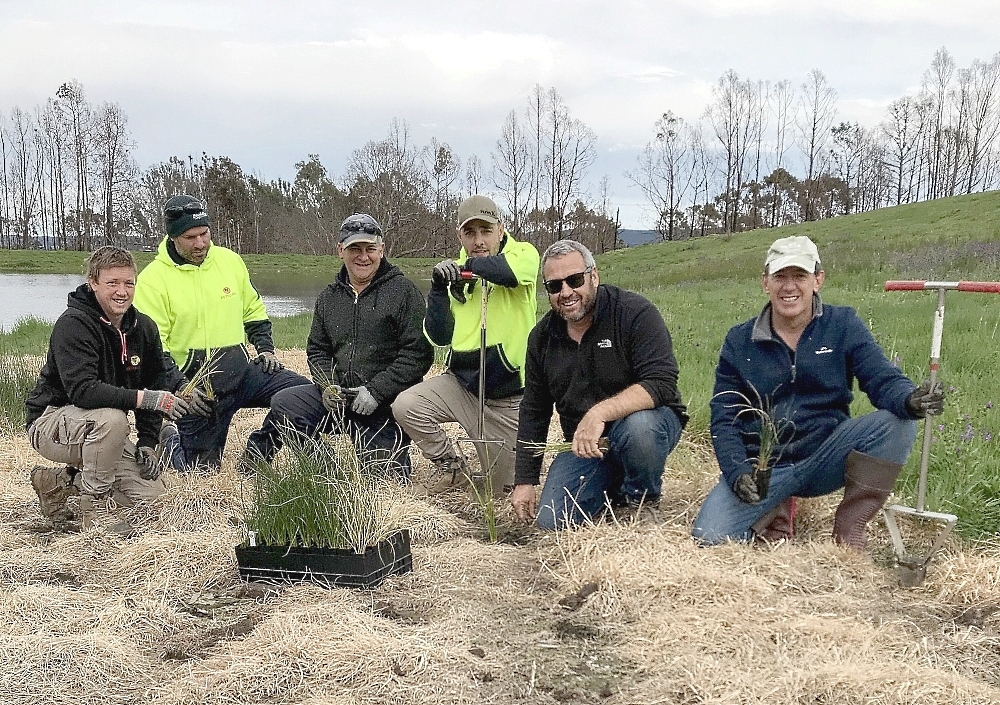
The Hills and Fleurieu Landscape Board looks to tackle these challenges and create a region inspired to protect its uniquely biodiverse and productive landscapes into the future. In achieving this vision we hope that the region will be an international exemplar – recognised for its resilient and beautiful landscapes and cared for through whole of community stewardship.
