Bushfire recovery support and resources now available for land managers affected by the Deep Creek and Nangkita fires.

Looking after your dam
Owning a dam comes with great benefits, such as increasing water security and enhancing the health of the surrounding environment when managed well.
However, it’s important to be aware of your responsibilities to ensure the safety of people, property and the environment.
Regular inspection and maintenance will not only extend the life of your dam, but also prevent costly repairs and reduce the risk of failure.
If you own a property with dams, you are responsible for their routine inspection and maintenance, either directly or by arranging for someone qualified to do it on your behalf. If a dam fails, you as the owner can be held legally liable for all associated damages

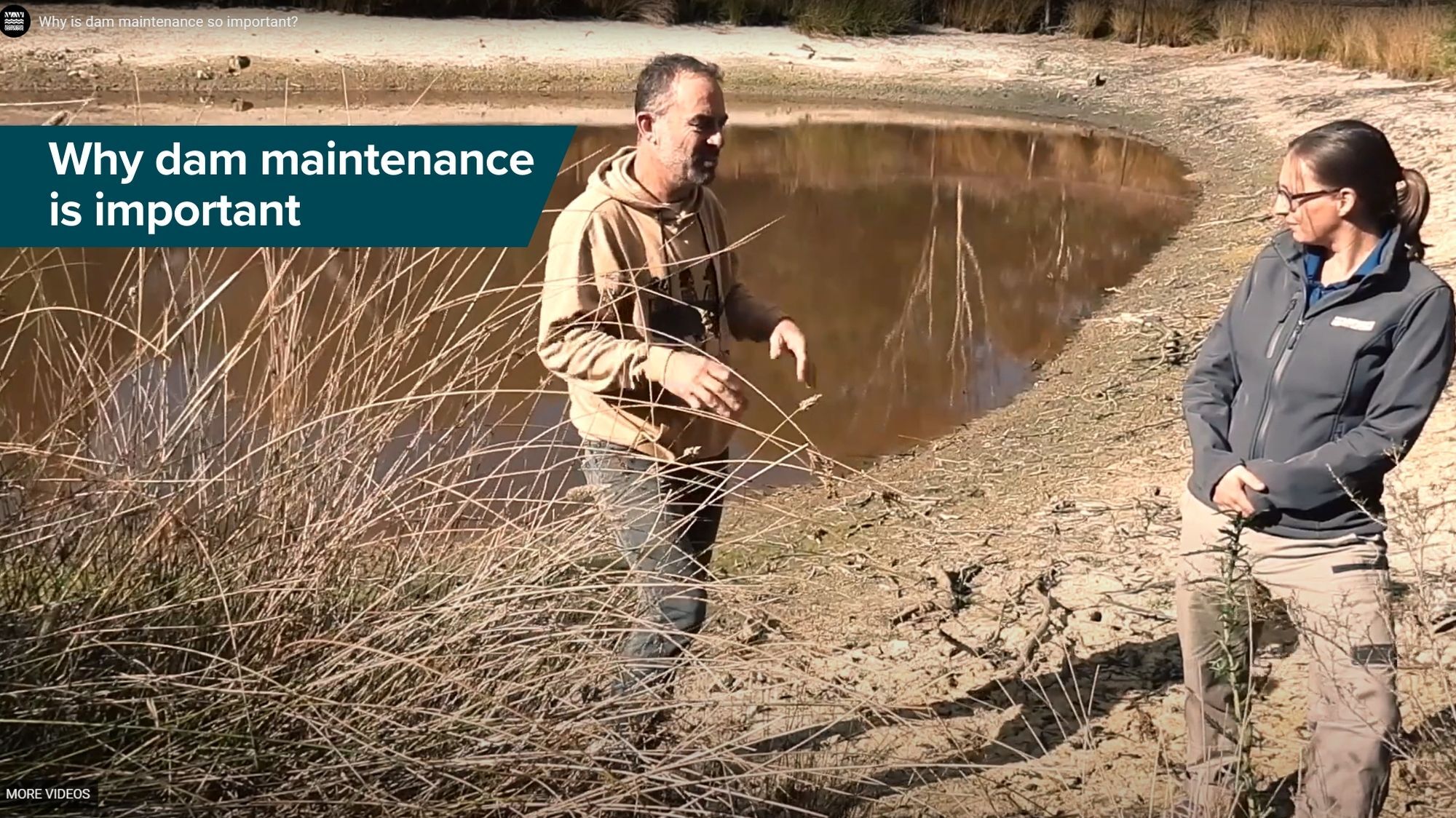



Do I need a Water Affecting Activity permit?
If you are planning work on your dam - make sure to get the right permit first.
Find out when a Water Affecting Activity permit is needed and how to obtain it before starting your project.
How to maintain your dam
Regular inspections make a big difference. The best time to carry them out is in summer, when water levels are low and land is dry. Planning ahead helps keep your dam secure and also benefits the environment by allowing controlled water releases downstream, rather than sudden spills that can cause erosion or flooding.
By inspecting and maintaining your dam, you can:
- prevent overfilling and dangerous pressure on dam walls
- avoid collapse that could damage your property, threaten the safety of downstream neighbours, and harm waterways, wildlife and farms
- pick up small defects like cracks, leaks or erosion before they become major structural problems, saving money and extending the life of your dam
Questions to consider include:
Does my dam have an unobstructed spillway operating that ensures the maximum water level is at least half a metre below the top of the dam wall?
Are there any leaks or signs of animal burrows, cracking, slumping or erosion on the dam wall?
Is my dam wall free of obstructions and vegetation other than grasses?
Does my dam need desilting to maintain its volume?
Can I exclude livestock where possible?
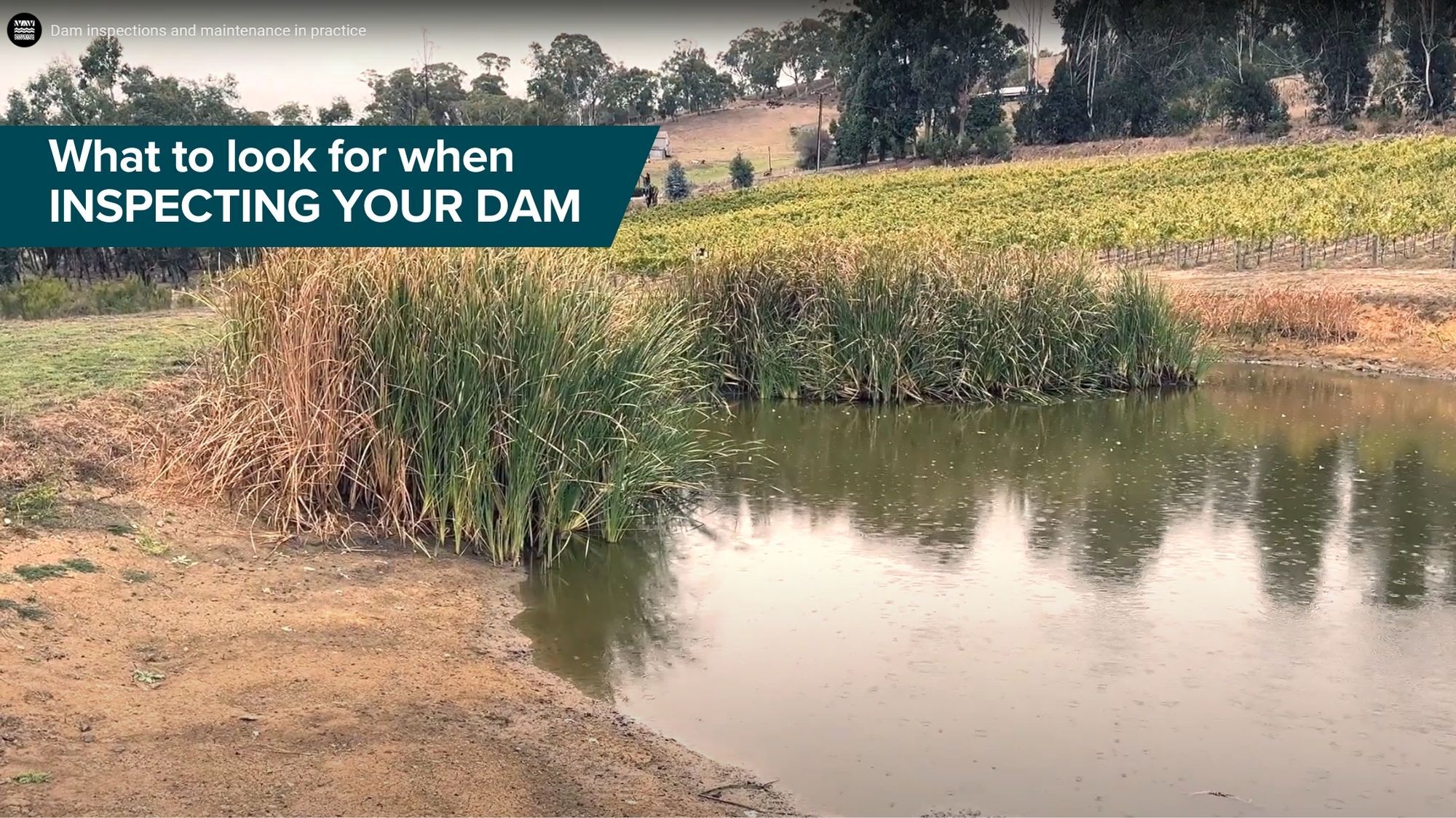
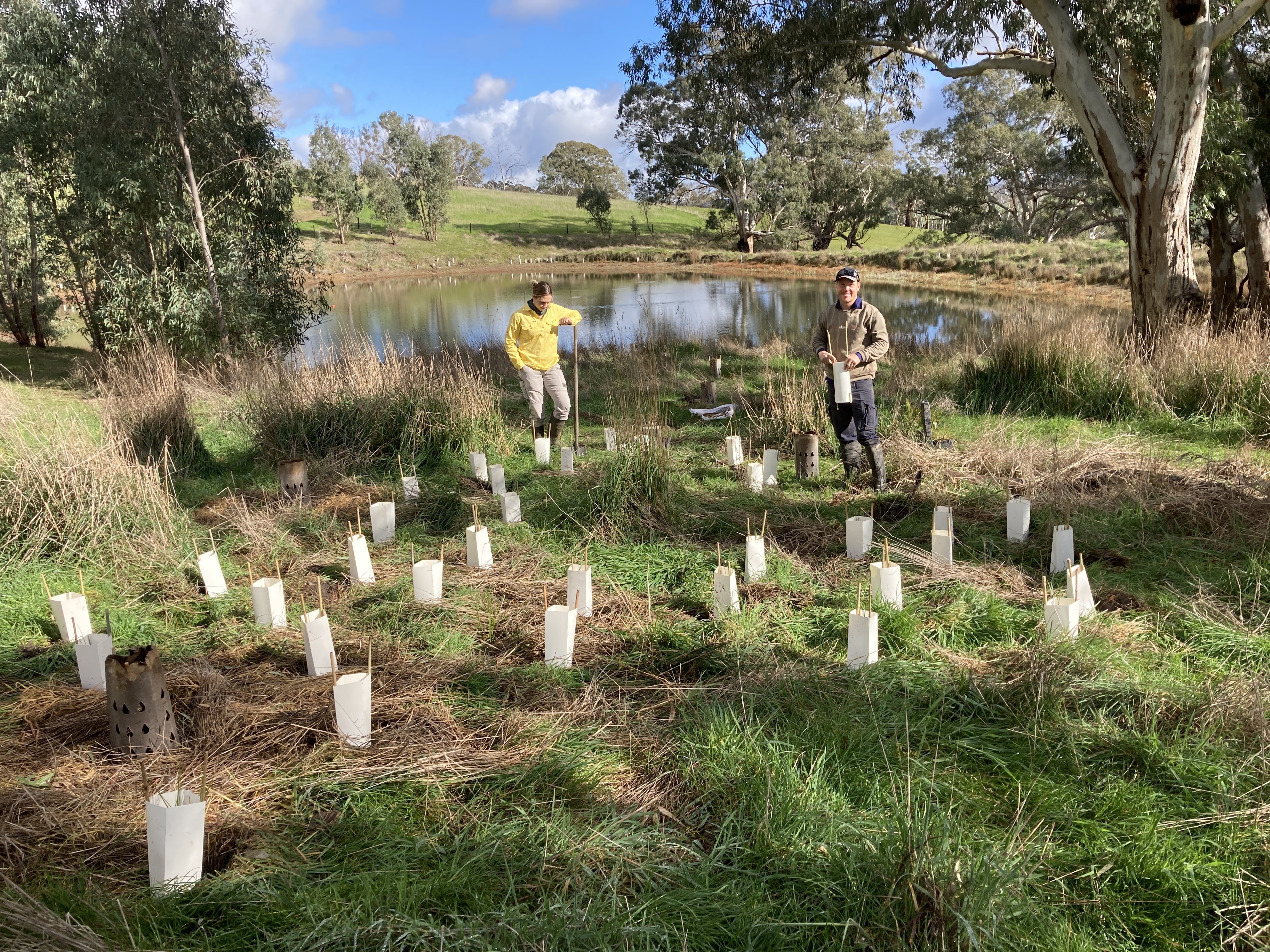
Encouraging good vegetation cover can help maintain your dam and prevent erosion and other issues. Examples include good grass coverage on your dam wall, sedges and rushes in and around the spillway and maintaining a buffer zone of at least 10m from the dam for larger trees.
Vegetation assists in capturing sediments, filtering pollutants and minimising erosion. A layer of topsoil over the bank (to a depth of 150mm minimum) and spillway is essential to keep a contiguous vegetative cover. Only low growing plants are to be planted and to remain on the bank.
Trees can provide benefits by reducing wind and shading the water, which helps decrease evaporation. However, when they are too close to the dam, trees can also compromise the wall as their root systems can cause tunnelling and seepage. It is recommended that large trees are located 10-15m away from the dam.
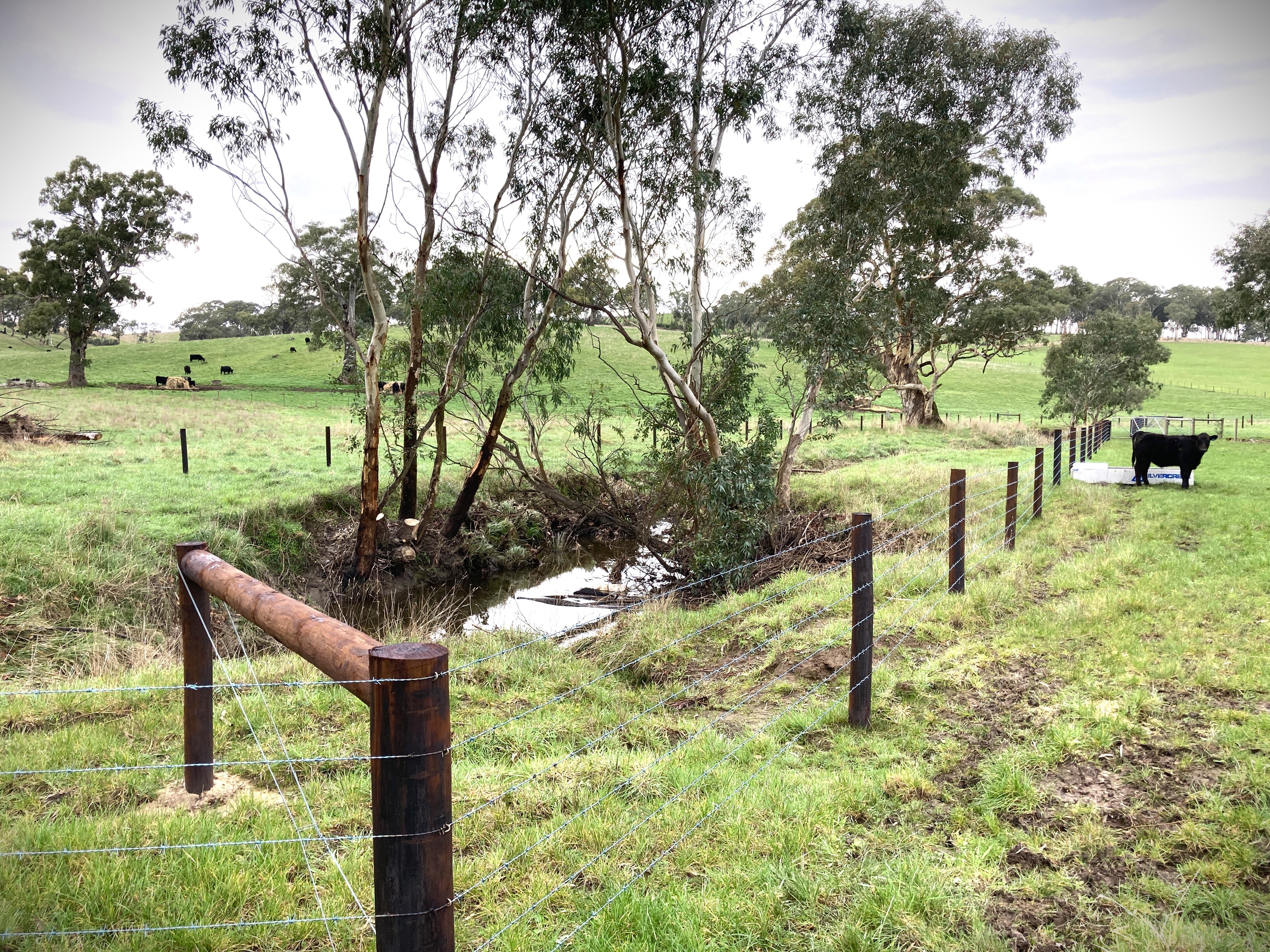
Fencing your dam is an important step in protecting both your water source and the surrounding environment. A well-planned fence can keep livestock safe, reduce erosion, and give native plants and wildlife space to thrive.
Check out the videos for practical tips on designing and installing dam fencing that works for your property.
16689
-
Planning your fencing
-
End assemblies and posts
-
Electric fencing
When livestock have unrestricted access to a dam, it can lead to pugging, erosion and sediment build-up. It also affects water quality, which isn’t ideal for the animals drinking it.
If you’re looking for practical solutions, consider fencing the dam and providing alternative watering points. Options include:
- Pumping water to troughs or tanks away from the dam
- Creating a single “hardened access point” so livestock only enter at one controlled location
Undertake routine inspection by looking for any leaks or signs of animal burrows, cracking, slumping or erosion.
Keep an open and functioning spillway by removing any blockages; routinely slashing growing grass to encourage dense groundcover; and ensure the water level is at least a metre below the top of the dam wall to prevent overtopping.
Undertaking repairs or modifications may require a water affecting activity permit or development approval. Find out more here.
From time to time, a dam will need to be cleaned out. Silt and accumulated sediments, along with salts, can build up in dams, affecting water quality and quantity. It is strongly recommended that desilting be carried out when dams are dry or have been de-watered. Refer to our current recommended practice on desilting farm dams.
Download dam maintenance guides
Our Five Steps to Enhancing Your Dam guide gives you practical, easy-to-follow advice to improve your dam’s health and function.
Pair it with the Dam Maintenance Guide, which includes a simple checklist for routine inspections, common issues to watch for and guidance on when to seek expert help.
Download both guides and start improving your dam today.
Dam works that may not need a permit
Some work on your dam can go ahead without a Water Affecting Activity permit if it follows the Board’s guidelines. These guidelines set out the best approaches, methods or design to carry out certain works.
However, even if the guideline is followed and a permit isn’t required, you must still contact us to discuss the activity before starting.
Activities that do not require a permit, when done in line with the guidelines, include:
Environmental considerations for your dam
Dams play an important role in supporting farms and properties, but they also affect the health of creeks, rivers and surrounding ecosystems. Thoughtful dam design and management can help maintain natural water flows, support native plants and animals and improve water quality. This information outlines simple, practical ways to reduce environmental impacts and enhance the ecological value of your dam.
Ensure flows still reach streams and rivers
Water captured in farm dams can change the timing and volume of flows downstream, particularly low-flows, which are vital for aquatic plants, animals and the health of the wider catchment.
There are simple, practical steps you can take to make sure your dam supports both your farm and the environment.
Enhance your dam's biodiversity
A well-maintained dam provides reliable water for livestock and becomes a haven for wildlife. Vegetation around the dam reduces erosion, captures sediment, and protects water from sun and wind, helping it last through dry periods.
Healthy dams support wildlife and benefit the wider ecosystem, improving nutrient cycling and pollination. Dams in poor condition can release greenhouse gases, but restoring vegetation can help reduce emissions.
Caring for your dam protects your water supply, supports wildlife, and strengthens your farm’s resilience.
25572
-
How to bring life back to your dam
-
Enhancing your dam for biodiversity and agricultural gains
Explore your catchment
Managing water on your land isn’t just about supply – it’s also about supporting healthy waterways, native species and long-term sustainability. The Mount Lofty Ranges’ water resources are carefully monitored, and key trends show:
- Rainfall and streamflows are generally declining.
- Native fish and ecological health are under pressure.
- Water allocations often exceed sustainable limits, although actual usage is usually lower.
- Low-flow management from dams can allow higher water use while supporting the environment.
Our Catchment Summaries bring together the latest data on rainfall, water resources, allocations, and environmental trends for each catchment area across the Eastern and Western Mount Lofty Ranges. Each summary includes a snapshot of key trends and links to the technical reports that underpin them.
Useful resources
-
 Water permits and licences
-
 Five Steps to Enhancing Your Dam Final Low Res
-
Dam Management Guide
-
How to install a dam syphon system
-
Fencing off your dam to benefit livestock production
-
Plan for fencing a dam diagram
-
Sedge and rush planting guide
-
Common frogs of the Hills and Fleurieu Factsheet
-
Frog ID Chart