Bushfire recovery support and resources now available for land managers affected by the Deep Creek and Nangkita fires.

Hooded Plovers
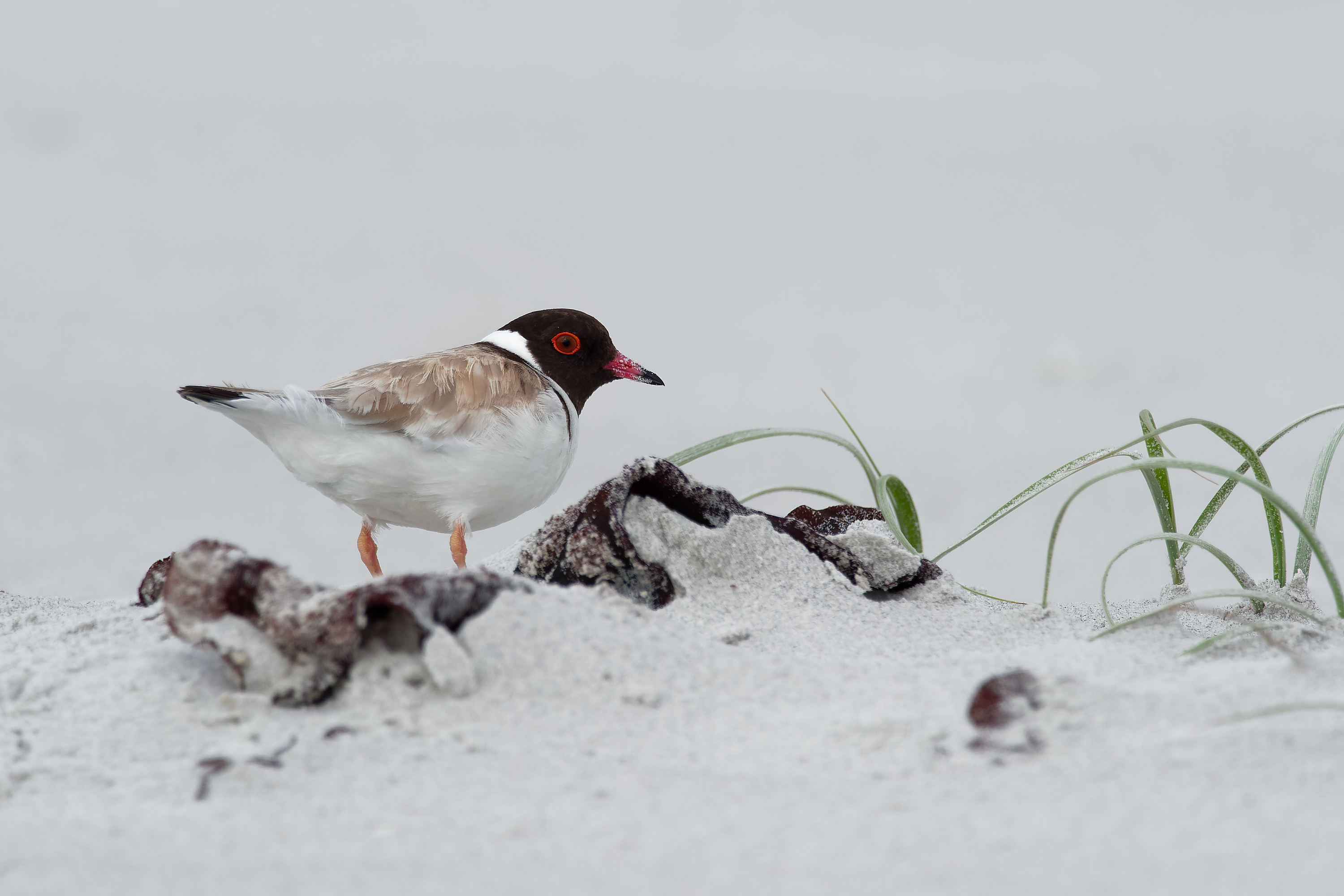
Hooded plovers (Thinornis rubricollsi) are a small- to medium-sized coastal shorebird.
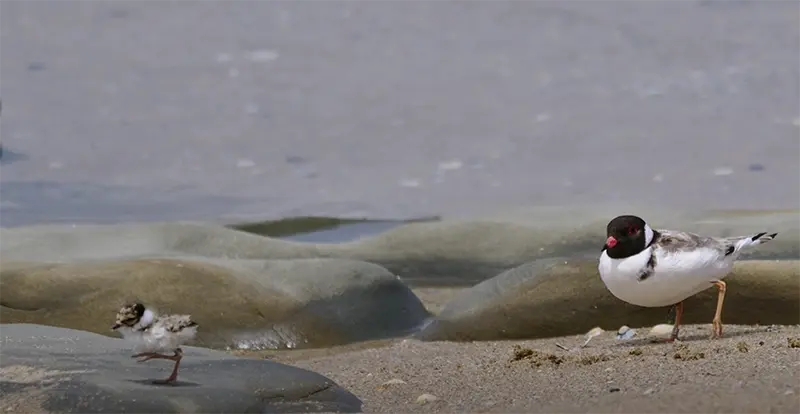
When hoodie chicks first hatch they are no bigger than a 50 cent piece.
Adult hoodies have a black ‘hood’, hence the name. Chicks develop theirs over time.
There are less than 70 hooded plovers left in our region. They are listed as a vulnerable species under the federal government’s Environment Protection and Biodiversity Conservation (EPBC) Act (1999) and the South Australian National Parks and Wildlife Act (1972).
About the hooded plover
Hooded plovers are listed as vulnerable nationally. There are less than 70 hoodies across Adelaide and the Fleurieu Peninsula and across the whole state, only 500 to 800 in total.
These hoodies along our Adelaide and Fleurieu beaches are considered one population and will travel between beaches in both areas. Over the last decade, our work to save hooded plovers has shown success, with birds coming to nest along Adelaide’s beaches, where they once lived.
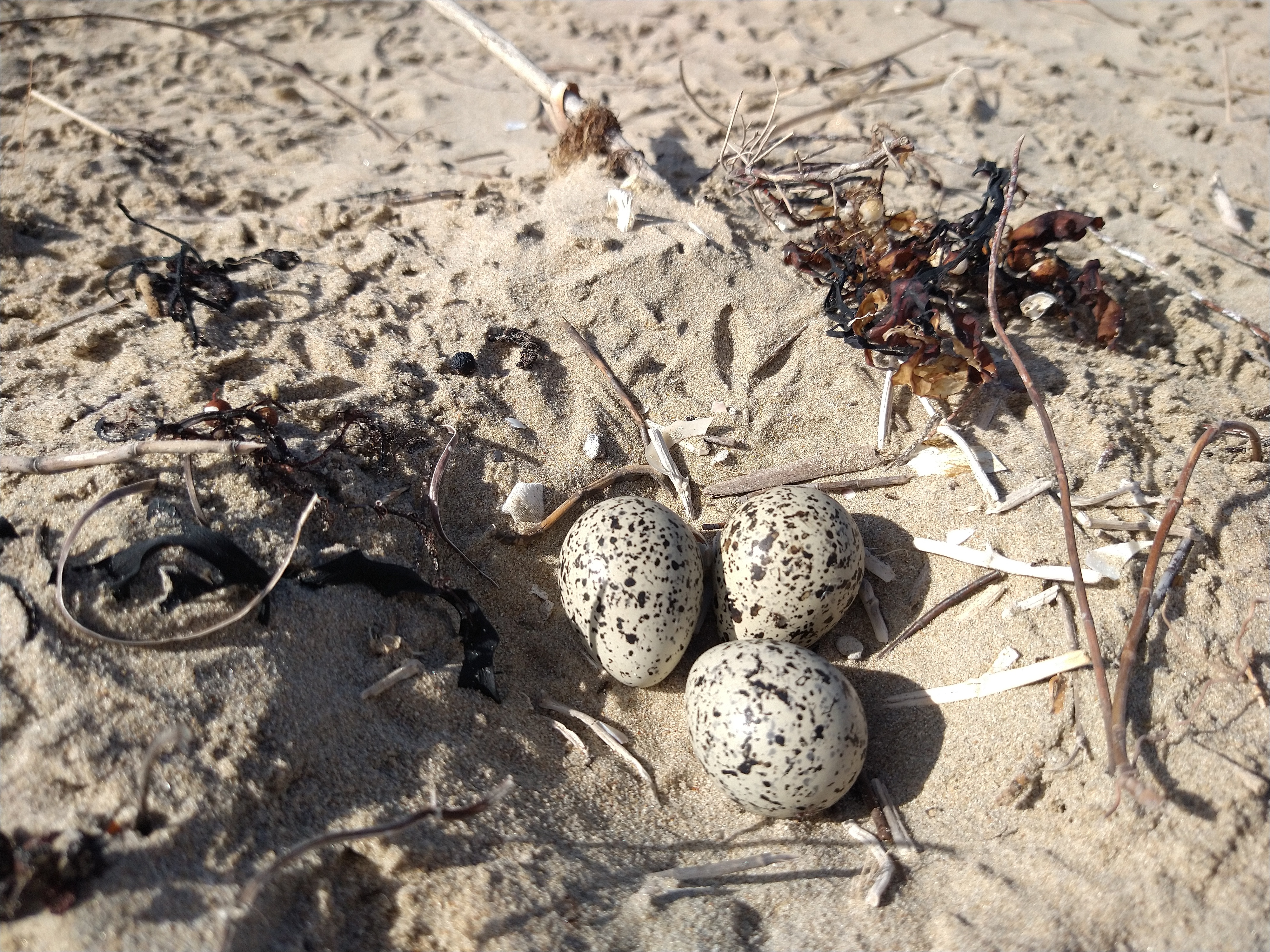
They nest at the base of the dunes, on the dry sand, in a shallow nest scrape (a little dent in the sand). Their eggs blend into the sand, helping hide them from predators. This makes them hard for beach-goers to see and easy for them to be accidentally crushed. Nesting here gives the parents and chicks ready access to the water’s edge and beach wrack (plants like seaweed washed up on the beach) where they can find food.
Hooded plovers live on our beaches year-round, but their breeding season is August to March, meaning they nest on the beach during the busiest time of year – spring and summer.
It takes 28 days for the eggs hatch. The parents take turns sitting on the nest but will leave it if disturbed or threatened by vehicles, dogs, humans, foxes and other predators. Hooded plover eggs are camouflaged well, making them hard for predators – but also beachgoers – to see. Their eggs may also be washed away by storms or stolen by predators.
Photo: Kerri Bartley.
It takes 35 days before the teeny tiny chicks can fly. They follow their parents around during this time but have to get their own food. This means making their way to the water’s edge – a challenged on a packed beach!


Once hooded plover chicks can fly their odds of survival are greatly increased but it’s still not a guarantee. At the end of the breeding season, adults become less territorial and flocks can be seen at many local beaches. But come the next breeding season, the young birds may not be welcome back.
During the breeding season (around August to March), temporary signs and rope fences may be used on the beach to protect nests and chicks.
Fences help give hoodies the space they need to raise their families but they still need to go outside of this safe space to get to the water’s edge to feed.
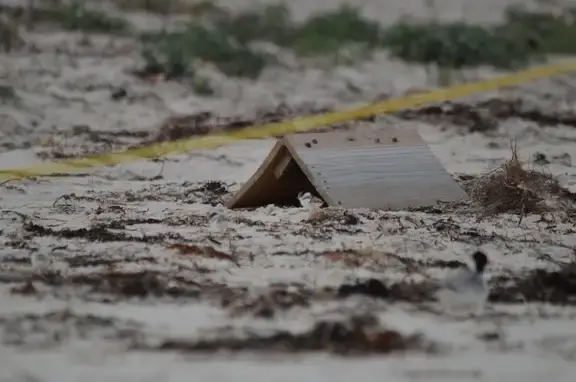
Small shelters may be placed outside of the fenced off area to help protect chicks from extreme heat and predators.
The best thing to do if you see any of these things is to keep your distance.
One day old chick sheltering from the weather and predators. Photo: Kerri Bartley
You might also like:
More projects