Bushfire recovery support and resources now available for land managers affected by the Deep Creek and Nangkita fires.

Protecting Hooded Plovers
 Back to projects
- Project status Current
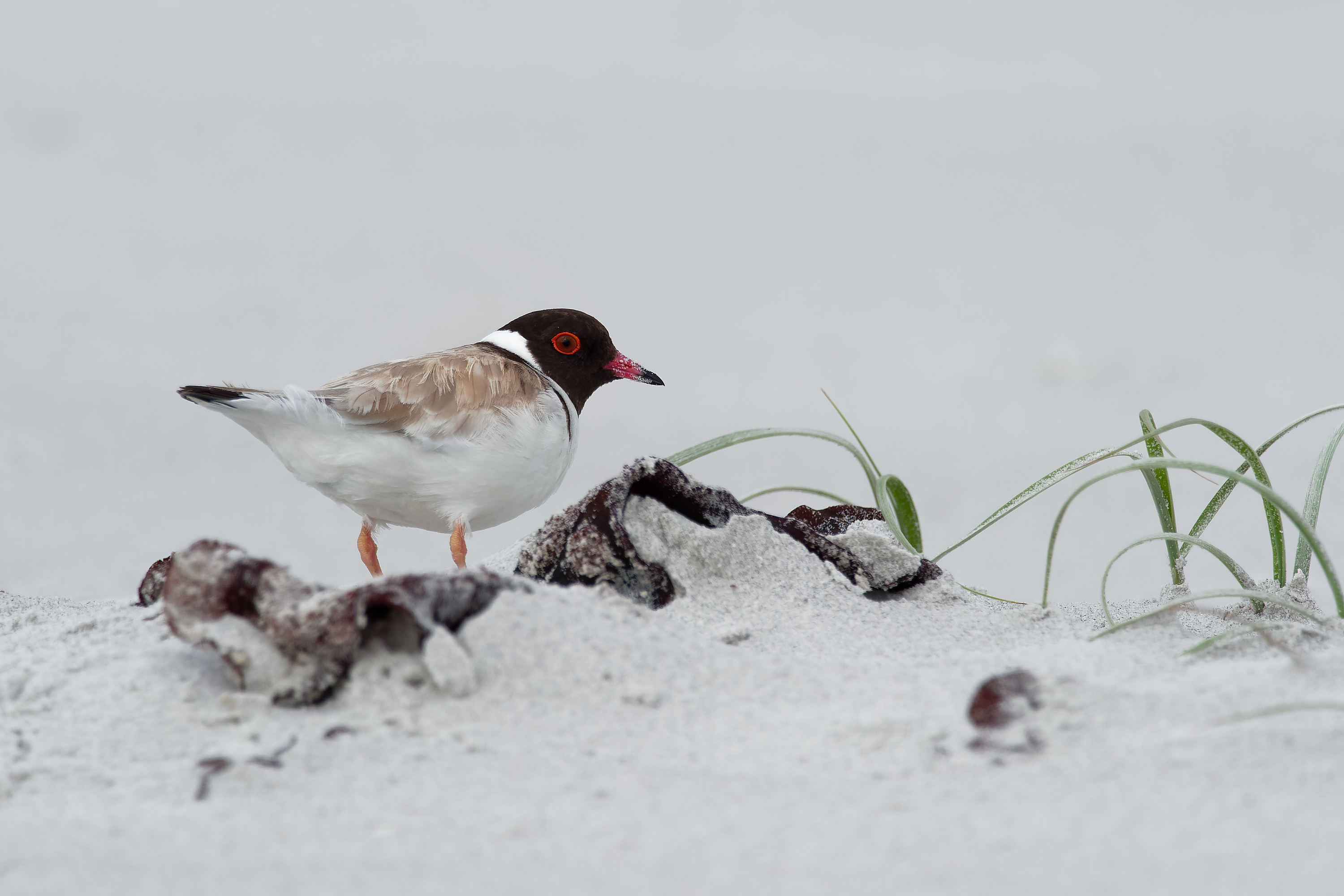
With only 70 hooded plovers, affectionately known as “hoodies”, across Adelaide and the Fleurieu Peninsula, these small coastal shorebirds need our support.
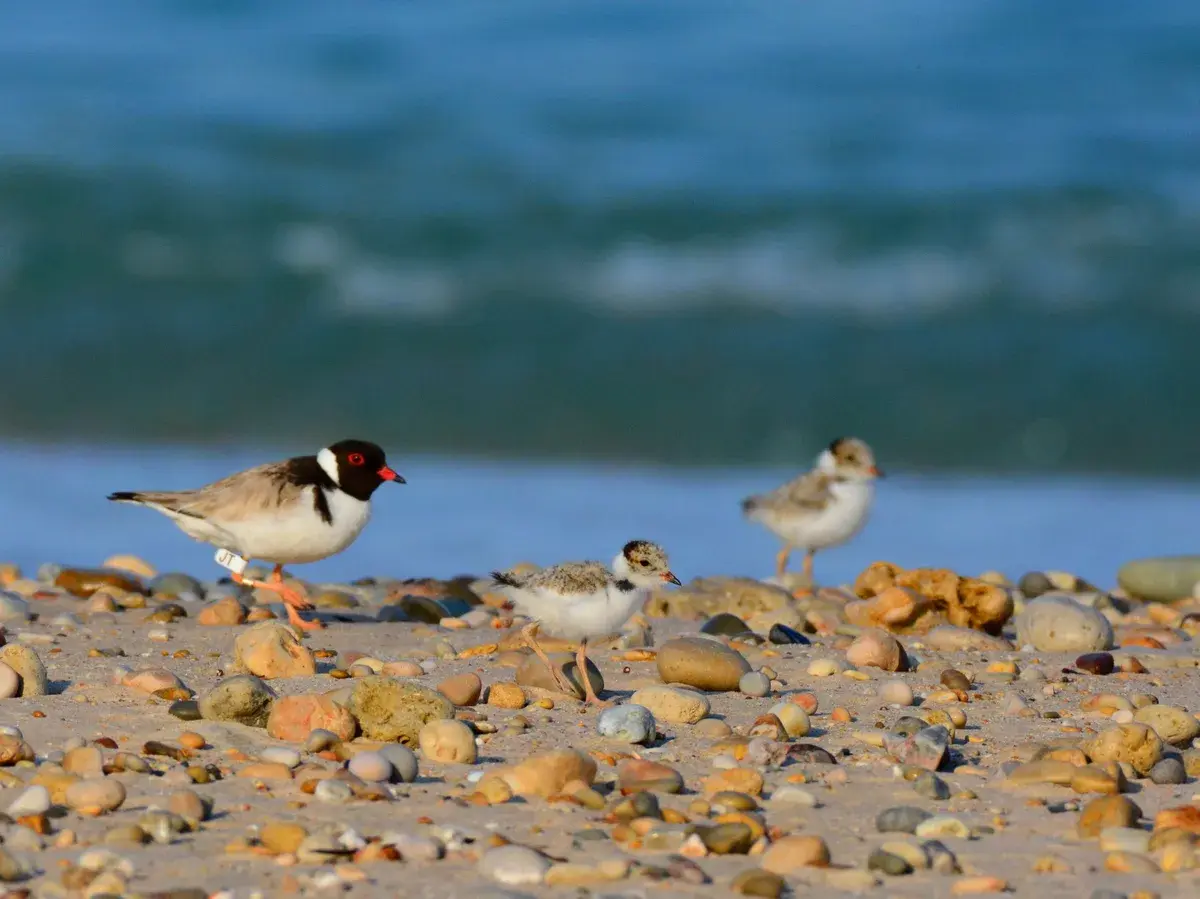
Listed as nationally vulnerable, hooded plovers (Thinornis rubricollsi) live on our local beaches year-round, with a breeding season between August and March, coinciding with increased beach usage over the spring and summer months.
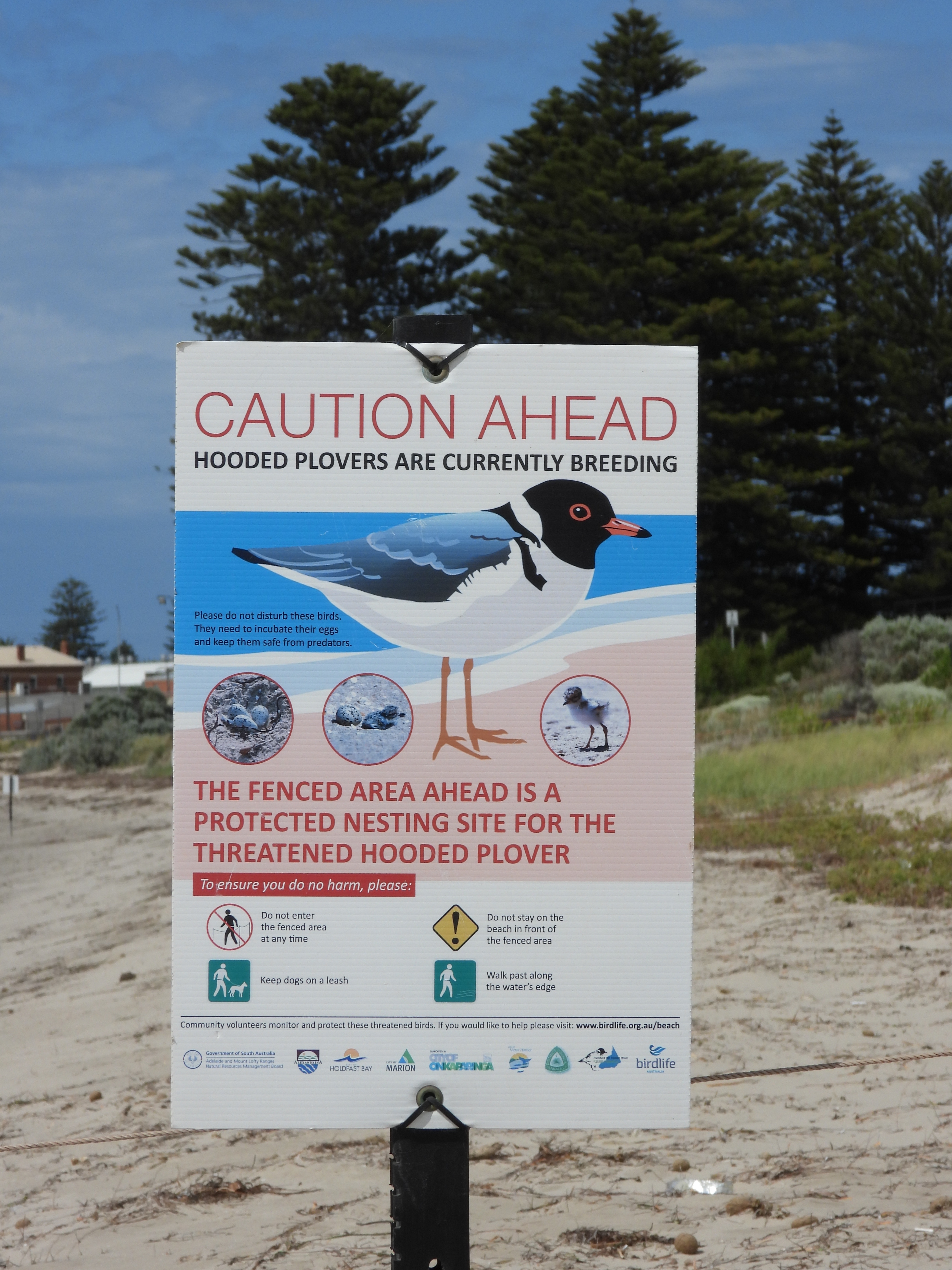
Nesting at the base of dunes and in shallow nest scrapes (a small dent in the sand), hooded plover eggs and chicks are left vulnerable to unaware beachgoers, dogs off leash, predatory birds and feral species.
Landscapes Hills and Fleurieu supports several programs working to increase the number of hoodies and their habitat in the region.

Become a beach-nesting birds volunteer!
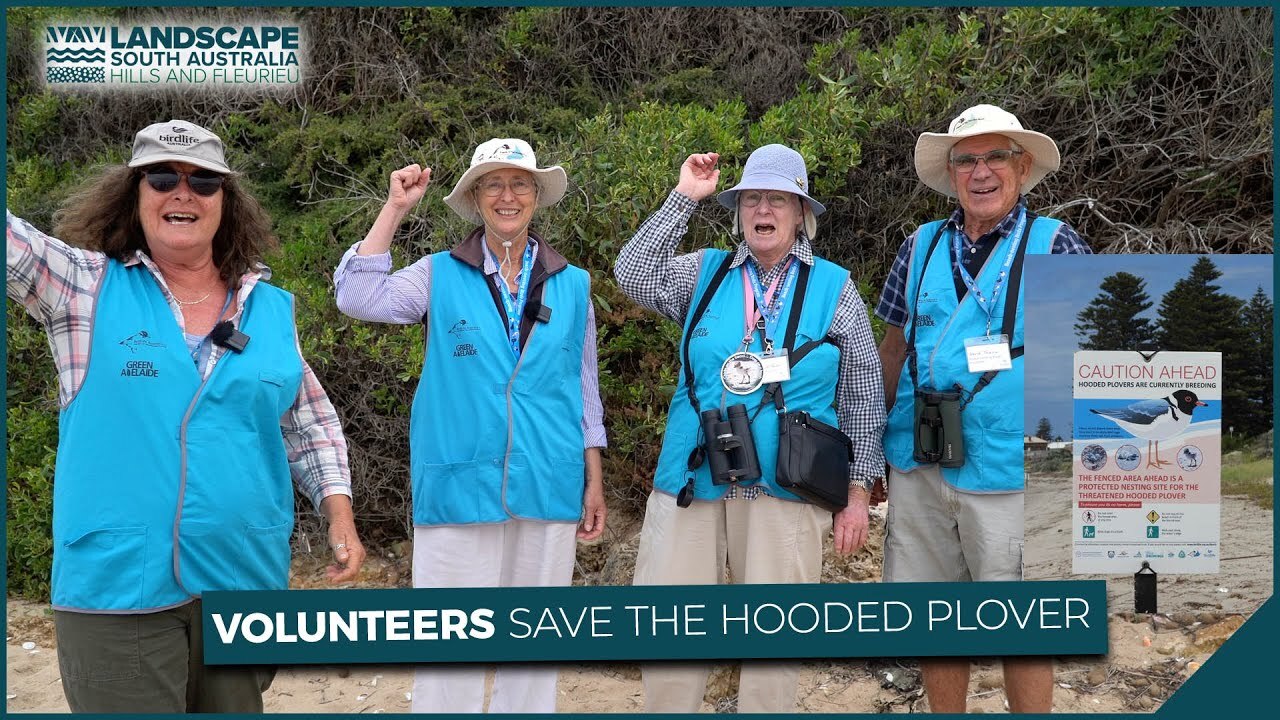
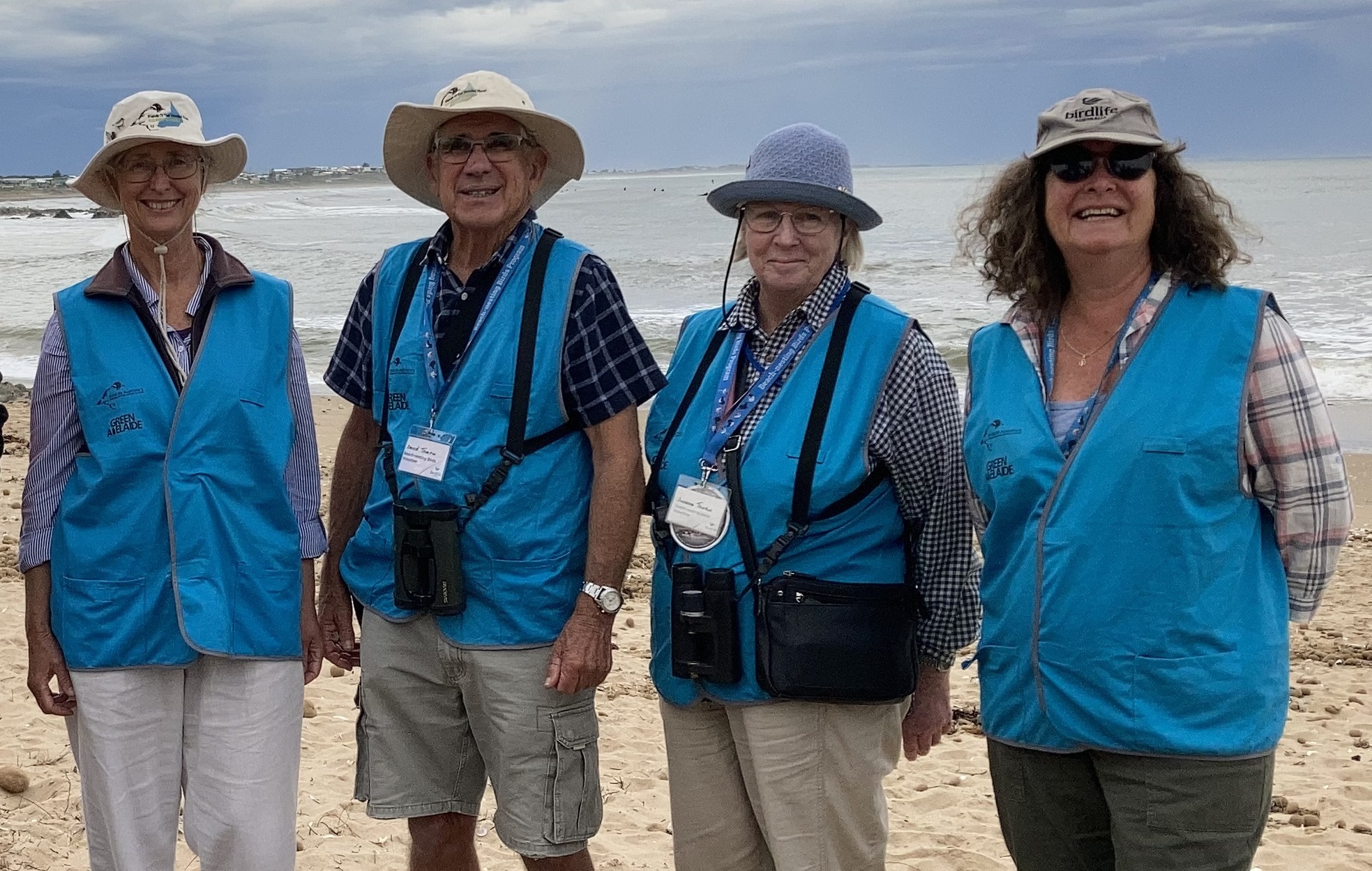
The protection of hooded plovers depends on the incredible dedication of BirdLife Australia's Beach-nesting Birds volunteers. These passionate individuals play a vital role by engaging with beachgoers, monitoring nests, and installing protective signage and fencing to give these vulnerable birds the best chance of survival
How we are helping protect the hooded plover
Our Plover Coast focuses on restoring critical nesting habitat for the threatened hooded plover across 20 priority beaches between Myponga Beach and Goolwa. The project targets grassy weed control and revegetation using local coastal species, particularly Spinifex hirsutus -commonly known as rolling spinifex. This hardy native grass forms ideal nesting conditions for hooded plovers.
By removing dense, introduced grasses that dominate breeding areas, the project opens up more of the beach for nesting. Since hooded plover pairs return to the same territories each year, improving and expanding these areas is essential for their long-term survival.
Replacing invasive grasses with native spinifex not only enhances existing nesting sites but also increases the availability of suitable habitat along the coast while increasing biodiversity and dune stabilisation.
This collaborative effort brings together land managers, project partners, volunteers, and the wider Fleurieu community to restore coastal dune ecosystems and support the recovery of this vulnerable shorebird.
The Our Plover Coast project is supported by the Hills and Fleurieu Landscape Board, Green Adelaide, BirdLife Australia, City of Victor Harbor, Yankalilla and Alexandrina Councils, with funding from the South Australian Government’s Landscape Priorities Fund.
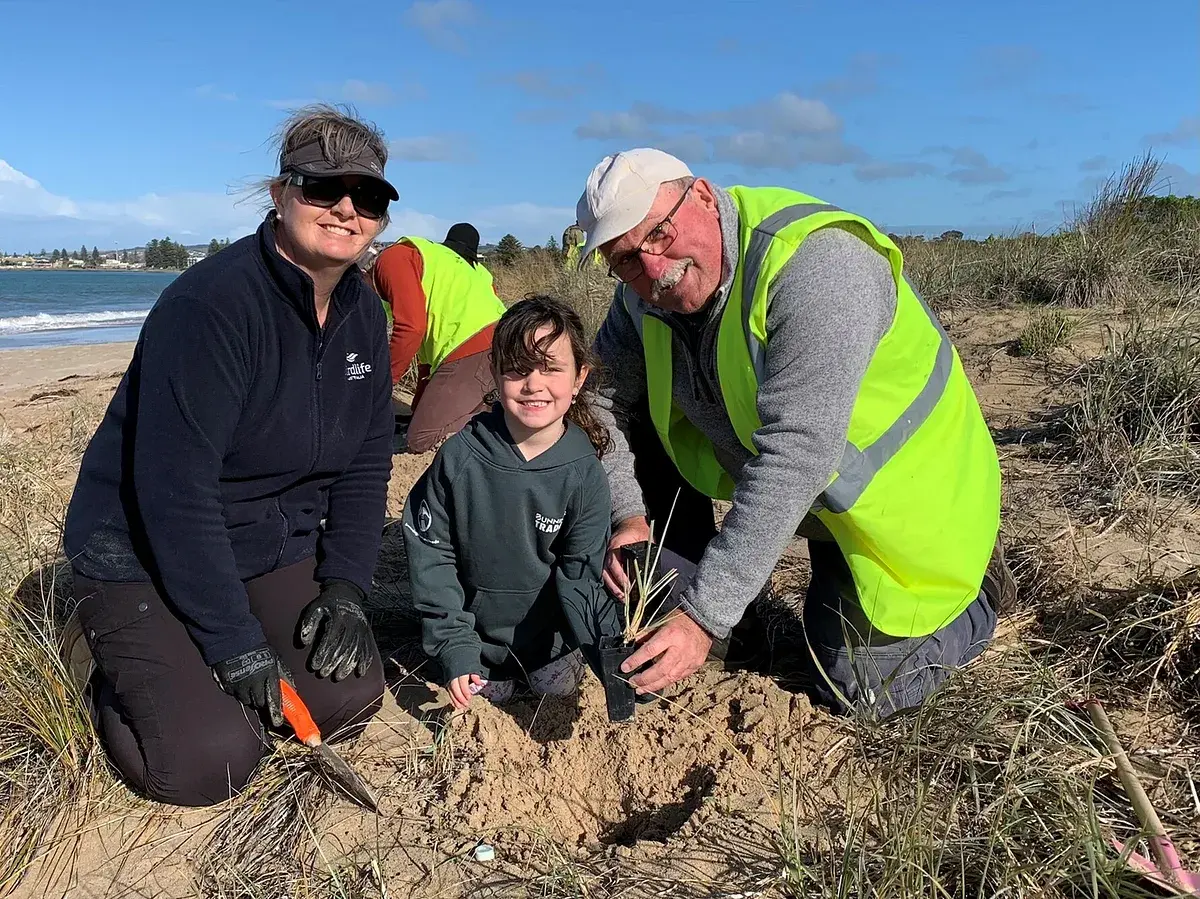
The Hooded Plover Program aims to increase the breeding success of hooded plover populations across Adelaide and the Fleurieu Peninsula, through monitoring, protective infrastructure such as fencing and signage, and public education.
Protecting the hooded plover could not be done without the many wonderful BirdLife Australia volunteers. These volunteers chat to beachgoers to spread awareness about the birds, monitor nests, record data, and put up signs and fencing. Why not join the team?
The Hooded Plover Program is part of BirdLife Australia’s national beach-nesting bird program and is supported regionally by Green Adelaide, Landscapes Hills and Fleurieu, local councils and volunteers.
The Back from the Brink project is a major conservation effort focused on protecting four of the Hills and Fleurieu region’s most threatened native species: the southern bell frog, Murray hardyhead, hooded plover, and western beautiful firetail.
Each of these species is facing serious challenges due to habitat loss, climate change, predators, and other threats. This five-year project brings together ecologists, local communities, schools, volunteers, and partner organisations to give these species a better chance of survival.
Through the Back from the brink project, work will continue to support the fantastic work of volunteers and partner organisations to protect breeding sites, raise public awareness and monitor populations.
This project is funded by the Australian Government Natural Heritage Trust and delivered by Hills and Fleurieu Landscape Board, a member of the Commonwealth Regional Delivery Partners panel.
How you can help the hooded plover
Hooded plovers need our help, especially during their breeding season. You can make a difference by
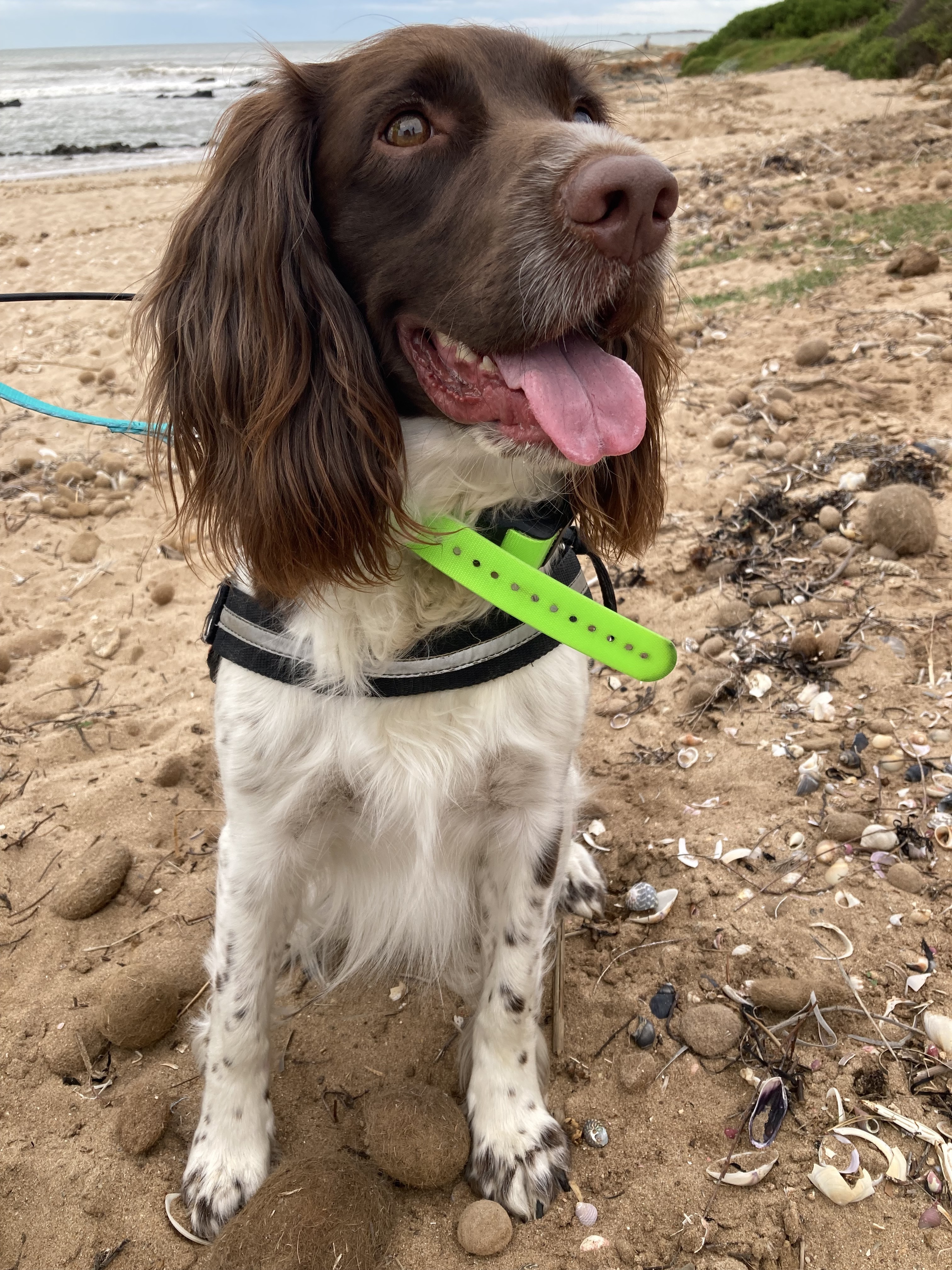
Keeping your dog on a leash: Follow signage at beach carparks or contact your local council to understand your responsibilities.
Staying below the high tide mark: When walking on the beach, stick to the lower areas to avoid disturbing nests and chicks. Pass signposted nesting sites at the waterline.
Avoid driving on the beach or dunes: Vehicles can crush nests or eggs and disturb nesting birds.
Look out for signs and fences: These temporary markers help protect nests and chicks. If you see them, give the area plenty of space.
Quietly move away if you spot a hooded plover: Avoid disturbing the birds and let them go about their business.
Spread the word: Share information about beach-nesting birds with others to raise awareness.