Bushfire recovery support and resources now available for land managers affected by the Deep Creek and Nangkita fires.

Caring for soils
Looking after soil on your property is essential for healthy land, productive farming and the environment.
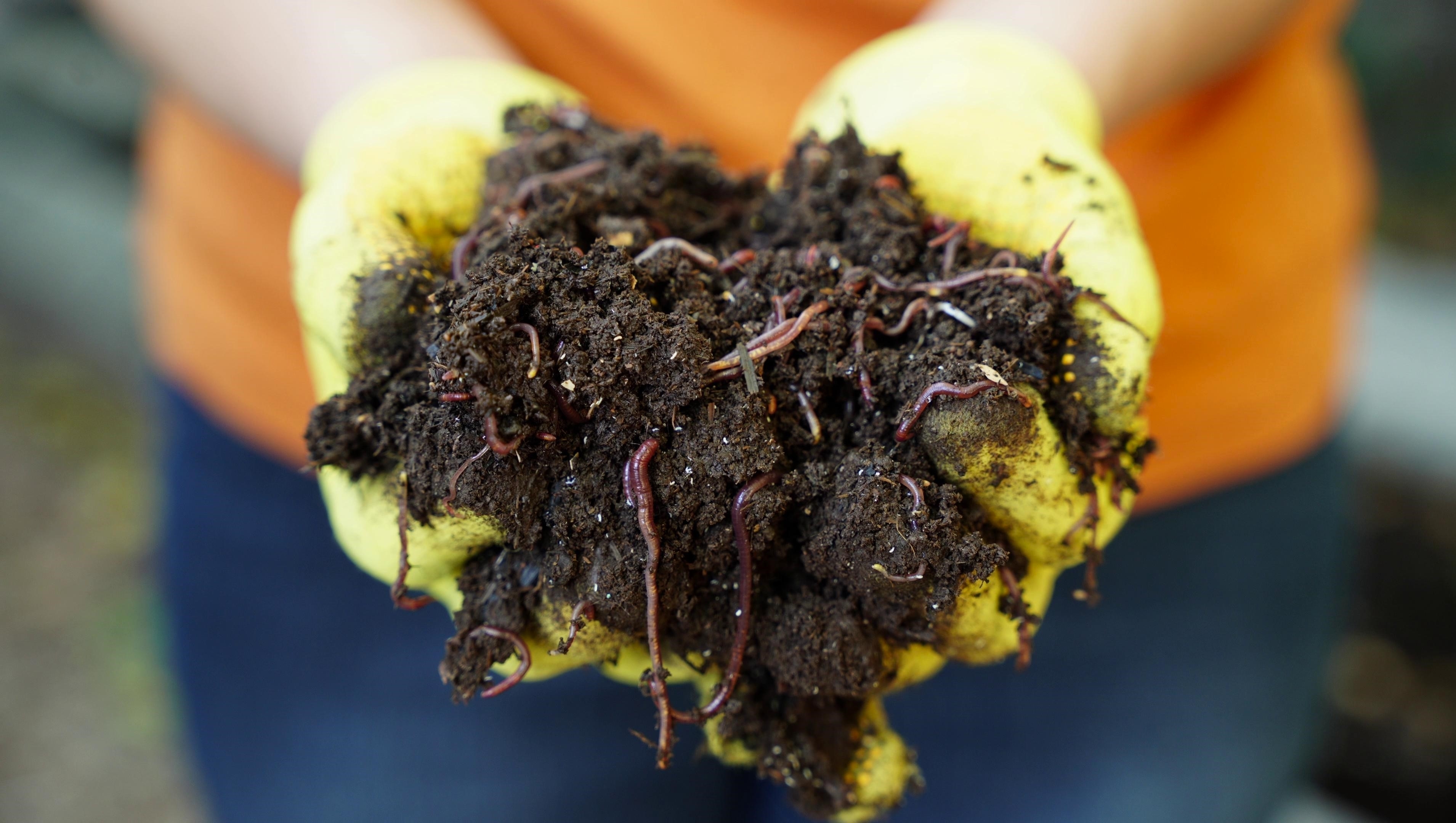
Soil is more than just dirt – it’s a living, dynamic ecosystem made up of minerals, organic matter, water and air, all working together to support plants, animals and microorganisms. Healthy soils provide the structure and nutrients plants need to grow, protect against erosion, store water and even help regulate our climate.
With pressures such as erosion, compaction and loss of groundcover threatening soil health, it’s more important than ever to protect and manage this vital resource. By caring for your soils, you not only safeguard your property’s productivity but also support biodiversity and the long-term resilience of the landscape.
Why caring for soil matters
Healthy soils do more than boost productivity. It protects the environment, supports biodiversity and can strengthen your farm.
Healthy soil can:
- Protect water quality by reducing runoff and nutrient leaching
- Increase resilience to climate variability and change
- Store carbon, helping to mitigate climate change
- Prevent wind erosion and loss of topsoil
- Boost local food security through higher productivity
- Support natural predators and pathogens for integrated pest and disease management
- Reduce reliance on synthetic inputs like fertilisers, pesticides, and fungicides
Caring for your soil means caring for your farm, your community, and the environment.
5 steps to healthy soil
Managing soil on grazing land can seem complex, but small changes make a big difference. We’ve put together a five step guide to healthy soils to help you protect and improve your soils, supporting healthy pastures, healthy stock and long-term land health.
Step 1: Plan to succeed
The first step in achieving healthy soils is to make a plan.
Creating a plan will provide guidance and ensures your efforts are strategic, well-timed and meaningful. A plan can help you stay in control and set you up for manageable actions.
Soil types can vary greatly across the Hills and Fleurieu, and even within a single paddock. Knowing what you’re working with is the first step to managing it well. For example, you might have loamy clay in one spot and sand over clay in another.
Common soil textures include:
- Sand
- Loamy sand
- Loam or sandy loam
- Clay
- Sandy clay loam
- Clay loam
- Silty clay loam
Reading the landscape helps you recognise soil patterns. Using aerial images with contours from NatureMaps, look for hills, slopes, ridges, valleys and plains. Deeper, more fertile soils are often in valleys and lower slopes, while hilltops are usually shallower and stonier.
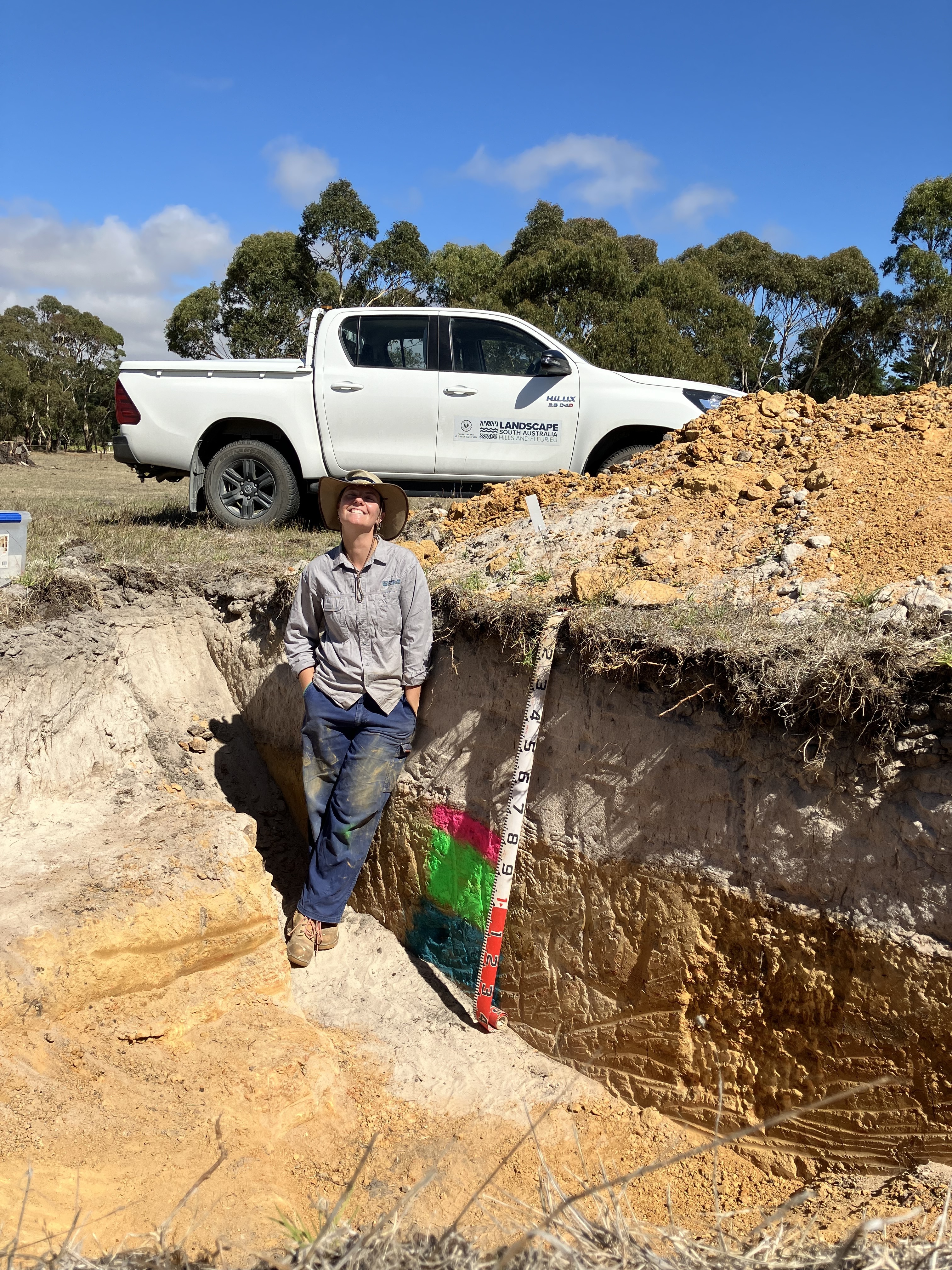
Soil profiles: Looking beneath the surface is just as important. Digging a soil pit shows the soil profile. The different layers that influence how roots grow and how water and nutrients move through the soil. Most pastures root to around 10–15 cm, while deep-rooted perennials like lucerne can reach one metre or more. A soil pit can also reveal issues such as waterlogging, salinity or compaction that might limit growth. Understanding your soil profiles is essential for understanding how to manage them as well as any agricultural enterprise that relies on them.
Step 2: Understand your soil
To manage your land effectively, it’s essential to understand the soils you’re working with. This involves testing soil to identify its physical, chemical, and biological properties, as well as learning how these characteristics interact. Knowing your soil’s texture, structure, nutrient content, and living organisms helps you make informed management decisions.
By understanding essential nutrients, the role of soil organisms, and best management practices, you can support healthy soils that sustain productive pastures and resilient landscapes.
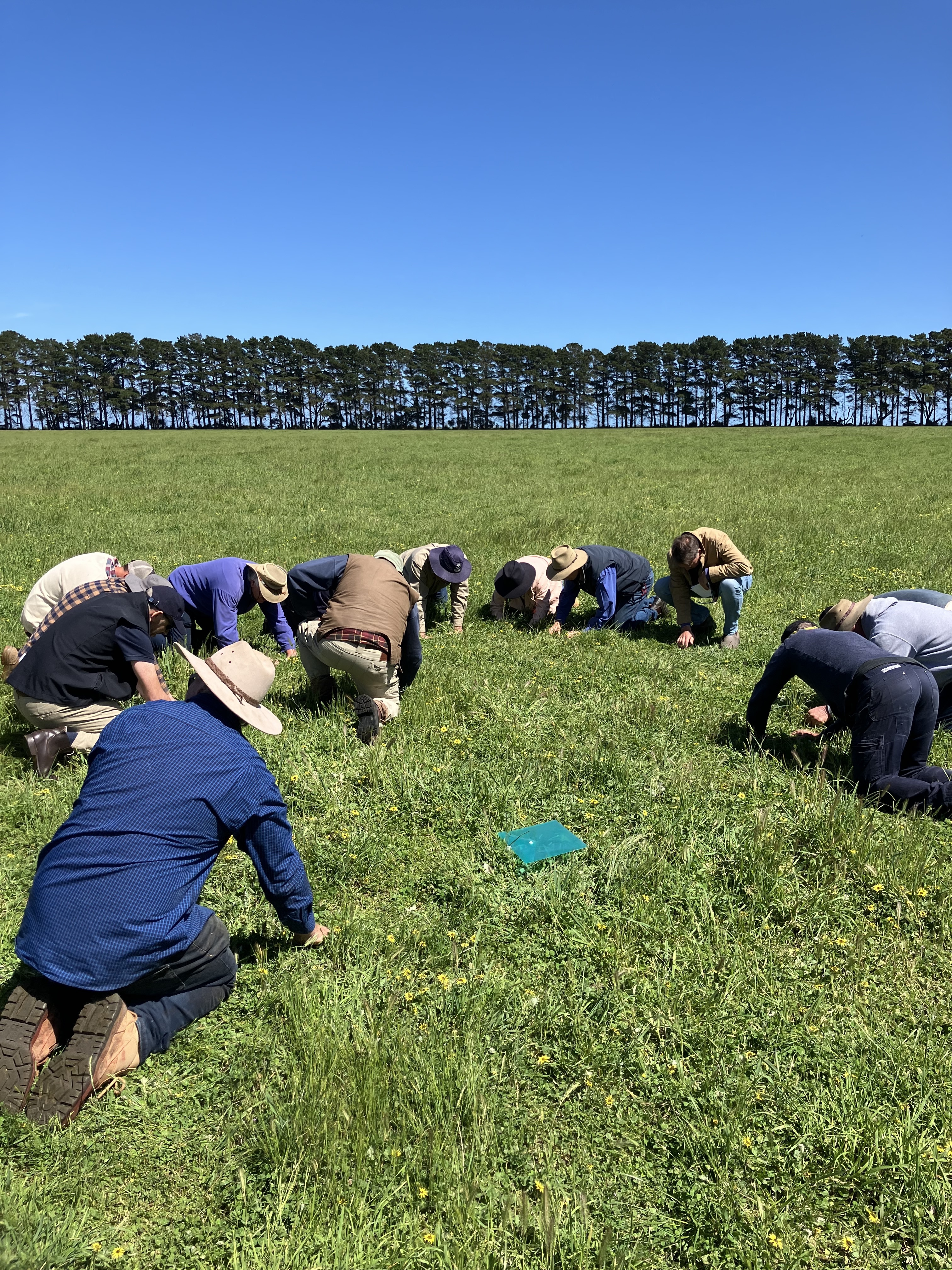
The best way to understand your soil’s health is to get into the paddock, dig a hole, and take a closer look. Simple field tests can tell you a lot about soil structure, fertility, and biological activity, while laboratory tests provide more detailed nutrient information.
A great resource is the Know Your Soils UTE Guide test which shows how to carry out simple tests using basic tools.
| Common physical field tests include: | |
|---|---|
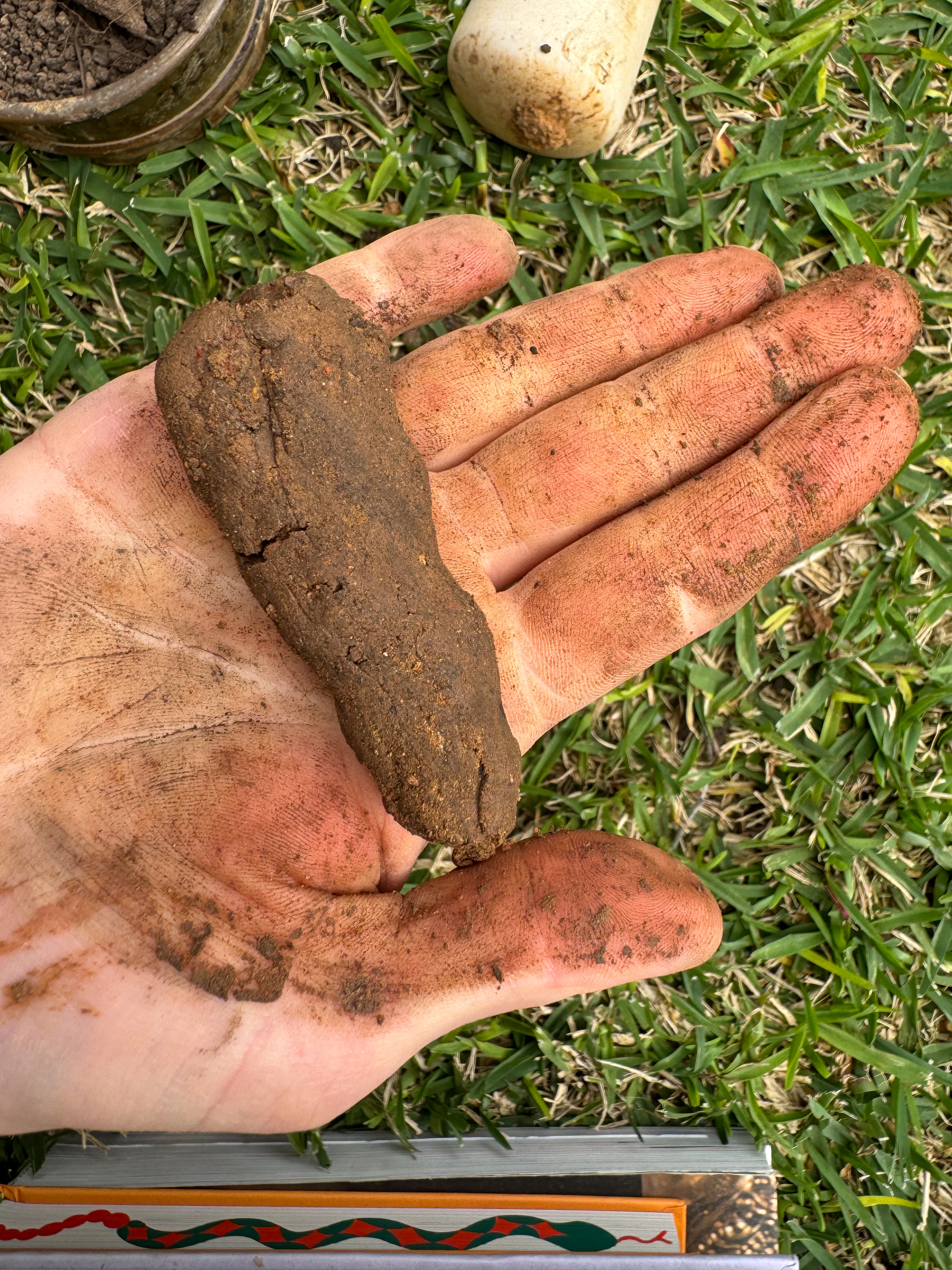
| Soil texture ribbon test | Identifies the balance of sand, silt and clay, which affects drainage, fertility, root growth and erosion risk. |
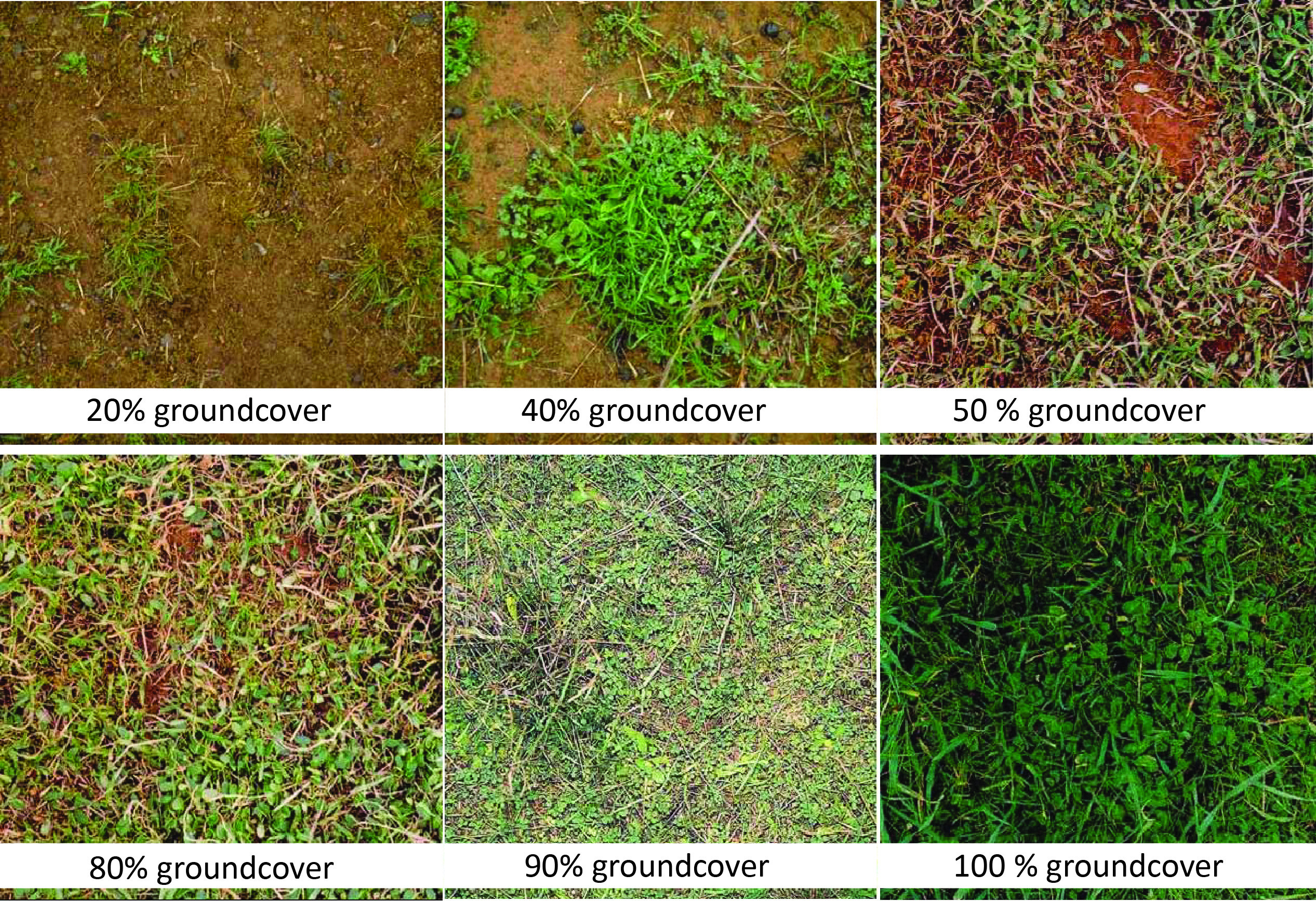
| Ground cover and weed cover % | Monitoring cover helps prevent erosion and maintain soil health. |
| Leaf colour | Can indicate nutrient limits, compaction or waterlogging. |
| Root development | Healthy roots reflect good soil structure and minimal constraints. |
| Water repellence | Assesses how water soaks into the soil, useful for managing non-wetting sands. |
| Topsoil colour | Shows organic matter and drainage:
|
| Soil compaction | Checks for dense layers restricting roots, water and microbes. |
| Soil slaking and dispersion | Tests how stable soil aggregates are, which affects infiltration and structure. |
| Water infiltration | Measures how quickly water enters the soil. |
The best way to understand your soil’s health is to get into the paddock, dig a hole, and take a closer look. Simple field tests can tell you a lot about soil structure, fertility, and biological activity, while laboratory tests provide more detailed nutrient information.
A great resource is the Know Your Soils UTE Guide test which shows how to carry out simple tests using basic tools.
| Common physical field tests include: | |
|---|---|
| Soil texture ribbon test | Identifies the balance of sand, silt and clay, which affects drainage, fertility, root growth and erosion risk. |
| Ground cover and weed cover % | Monitoring cover helps prevent erosion and maintain soil health. |
| Leaf colour | Can indicate nutrient limits, compaction or waterlogging. |
| Root development | Healthy roots reflect good soil structure and minimal constraints. |
| Water repellence | Assesses how water soaks into the soil, useful for managing non-wetting sands. |
| Topsoil colour | Shows organic matter and drainage:
|
| Soil compaction | Checks for dense layers restricting roots, water and microbes. |
| Soil slaking and dispersion | Tests how stable soil aggregates are, which affects infiltration and structure. |
| Water infiltration | Measures how quickly water enters the soil. |
| Chemical and biological tests include: | |
|---|---|
| Soil pH (topsoil and subsoil) | Acidity/alkalinity affects nutrient availability. |
| Soil Your Undies test | Shows microbial activity through organic matter breakdown. |
| Soil organisms and earthworm counts | Indicators of soil life and health. |
Laboratory testing
Laboratory analysis gives a comprehensive nutrient profile for your soils. Key points for effective lab testing:
- Test soils when dry for the most reliable results.
- Sample different soil types separately, avoiding areas like stock camps or tracks.
- Consider plant tissue or leaf analysis to identify nutrient deficiencies and guide solutions.
- Standard tests measure readily available nutrients, but many minerals are only unlocked by soil microbes. Supporting soil biology enhances nutrient availability beyond what fertilisers provide.
Tip: Always test before changing management practices or applying inputs to make the most of your time, money, and soil.
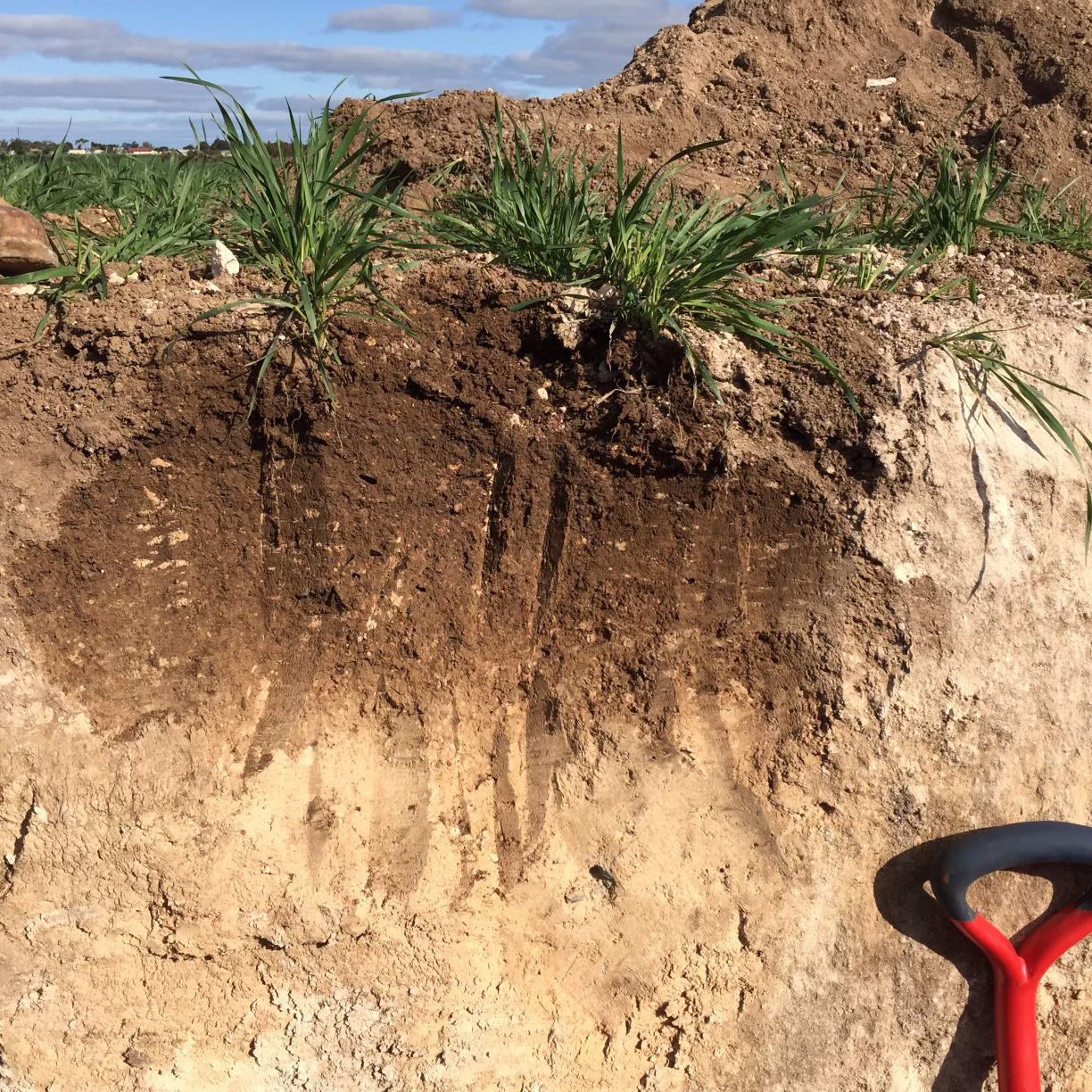
When caring for soils it is important to holistically consider the physical, chemical and biological properties. Each soil characteristic influences the other and achieving the right balance will result in a healthy and productive soil. The best management strategies in enhancing soil health can be summarised as follows:
- Maintain soil groundcover year round
- Minimise soil disturbance
- Maximise plant and living roots diversity
| Soil properties | Soil attributes | Signs of healthy soil | Best management practices |
|---|---|---|---|
| Physical |
| Well-structured with pores for water drainage, air circulation, and unrestricted root growth. Resistant to degradation, less prone to wind and water erosion and compaction. |
|
| Chemical |
| High organic carbon content, free from harmful chemicals, with optimal nutrients and pH. Minimal nutrient loss and reduced need for fertilisers. |
|
| Biological |
| Dense and diverse plant cover with a large population of beneficial organisms supporting nutrient cycling, organic matter decomposition, and soil structure. |
|
Soil essential nutrients are crucial for soil health by promoting a balanced nutrient cycle, supporting healthy soil structure, enhancing plant growth, and providing essential functions like water regulation, pollutant filtering, and supporting biodiversity. Adequate nutrient levels support diverse soil organisms and ensure the soil can effectively perform these vital roles.
| Nutrient | Why it is important | Advice |
|---|---|---|
| Nitrogen (N) | Supports leaf growth and plant protein | Commonly low in SA soils. Can be boosted with legumes like lucerne and clover or fertilisers. Avoid overuse of synthetic nitrogen. |
| Phosphorus (P) | Essential for strong roots. | Deficiency causes stunted growth. Phosphorus can be tied up in clay or organic matter. Sandy soils are prone to leaching. |
| Potassium (K) | Important for flowering and seed production. | Deficiencies are rare but can occur with continuous hay cutting. |
| Sulphur (S) | Needed for chlorophyll and growth. | Found in organic matter and made available by soil microbes. |
| Calcium (Ca) | Supports plant health, especially in acidic soils. | Most soils are adequate; add lime if acidic. |
| Magnesium (Mg) | Helps correct acidity and supports growth. | Can be leached from sandy soils in high-rainfall areas; dolomite lime may be needed. |
| Trace elements | Tiny amounts but essential for plants and animals. | Deficiencies vary by soil type: Copper, Manganese, Zinc, Molybdenum, Iron, Boron. |
Soil organisms are vital for soil health as they recycle nutrients, decompose organic matter, improve soil structure, suppress plant diseases, and facilitate symbiotic relationships with plants. These functions provide plants with essential nutrients, create better soil for root growth, protect against illness, and boost overall soil fertility and ecosystem balance.
Group | Size | Examples | Role in soil |
|---|---|---|---|
| Microorganisms | <5 µm | Bacteria, fungi, algae | Nutrient cycling, organic matter breakdown, support plant growth, improve soil structure |
| Microfauna | 0.1–0.2 mm | Protozoa, nematodes | Feed on microorganisms, regulate populations, contribute to nutrient cycling |
| Mesofauna | 0.1–2 mm | Mites, springtails, small nematodes | Break down litter, fragment organic matter, aid decomposition and nutrient cycling |
| Macrofauna | 2–20 mm | Earthworms, beetles, ants, termites | Improve soil structure, break down organic matter, move nutrients around |
| Megafauna | Small animals | Echidnas, frogs, snakes | Aerate soil, transport organic matter, improve water movement and nutrient cycling |
Soil constraints are limitations in the soil that may restrict plant growth and reduce productivity. Identifying and better understanding the soil constraints will enable them to be better managed. Common soil constraints in the Adelaide Hills and Fleurieu region include:
| Soil Constraint | Soil Description |
|---|---|
| Soil compaction | Compacted soil is dense, with fewer spaces for air and water. This makes it harder for roots and soil life to grow. Compaction can occur naturally or from human activity. |
| Soil structural stability | Soils high in sodium (sodic soils) have poor structure, which can block water and air movement and cause surface water to pool. |
| Salinity | Saline soils have high salt levels that limit plant growth. Dryland salinity can occur when rising water tables bring salts to the surface, often worsened by clearing deep-rooted vegetation. |
| Soil erosion | Wind and water erosion remove topsoil and nutrients. Light, sandy soils and sloped land are particularly at risk, especially when disturbed by cultivation or grazing. |
| Soil acidity | Soil pH measures how acidic or alkaline soil is. The ideal range for productive soils in this region is 5.5–7. Low pH can limit plant growth, while strong acidity may require lime to correct. |
| Non-wetting soils | Some sandy soils repel water, causing patchy wetting and uneven crop growth. This can be due to organic coatings on soil particles. |
| Waterlogging | Waterlogged soils hold more water than they can drain, reducing oxygen for roots. This can stunt growth, cause nutrient loss, and create toxins, often occurring in low-lying areas or above clay layers. |
Step 3: Know you soil management needs
Management of your land has a big impact on soil health. Regenerative agriculture, which focuses on holistic management, increasing plant and animal diversity, and building soil biology, is gaining interest. Using organic fertiliser inputs instead of synthetic options can also enhance long-term soil health.
Here are key management practices, their potential risks, and ways to make the most of them:
Risk: Overgrazing is the most common threat to soil health in the Hills and Fleurieu. It happens when livestock exceed the carrying capacity of the land, leading to loss of ground cover and topsoil, particularly in summer and autumn or during dry years. Consequences include soil erosion, reduced fertility, increased water runoff, and impacts on soil carbon.
Opportunity: A well-planned grazing program that allows for seasonal de-stocking or containment feeding supports soil health. Rotational grazing and well-designed containment areas during dry periods help maintain ground cover and protect soil.
Resource: Best practice grazing guidelines for small properties
Risk: While tillage can temporarily boost nutrient cycling, it can degrade overall soil health over time. Exposing the soil surface increases erosion risk, and long-term fertility and productivity can decline.
Opportunity: Minimise soil disturbance using no-till farming, cover cropping, and mulching to maintain soil structure and biological processes.
Resource: Cultivation and soil structure guidance
Risk: Not using precision agriculture can result in economic losses due to inefficient fertiliser use and greater environmental impacts, including run-off and soil degradation.
Opportunity: Precision agriculture tailors management practices to specific areas, optimising inputs and reducing waste.
Resource: What is precision agriculture?
Risk: Heavy livestock traffic and machinery use can compact soils, reducing pore spaces needed for air, water, and healthy root growth. Compacted soils are also less supportive of soil biology.
Opportunity: Manage stock and machinery movement to limit compaction. Tools like drones can help monitor water troughs and reduce unnecessary vehicle trips.
Risks: Over-reliance on inorganic or synthetic fertilisers can disrupt soil biology, creating “boom and bust” cycles that weaken natural nutrient cycling.
Opportunities: Use organic inputs where possible to boost biological activity and support natural nutrient processes over the long term.
Risks: Chemical applications can negatively affect soil biology and disrupt natural nutrient cycling.
Opportunities: Adopt Integrated Pest Management (IPM) to minimise chemical use while still effectively managing pests.
Risks: Herbicides can impact soil biology and reduce natural nutrient cycling.
Opportunities: Where herbicides are necessary, plan carefully. Timely application and the right equipment and techniques improve efficiency and reduce negative impacts.
Step 4: Take action to care for your soil
When caring for soils, it’s important to consider the physical, chemical, and biological properties. Each aspect influences the others, and achieving the right balance leads to healthy, productive soils. The best management strategies to enhance soil health can be summarised as:
- Maintain soil groundcover year-round
- Minimise soil disturbance
- Maximise plant and living root diversity
The following actions support these strategies and help you manage common soil constraints on grazing land.
Practical actions to support soil health
| Action | What it involves | Benefit |
|---|---|---|
| Rotational grazing | Move livestock regularly between paddocks to allow recovery and promote healthy pasture growth. | Improves soil structure, water infiltration, nutrient cycling, groundcover and plant diversity; reduces erosion risk Fact sheet: Meat and Livestock Australia Grazing Strategies |
| Control traffic/livestock when soil is moist | Limit livestock and machinery on wet soils to prevent compaction. | Protects soil structure and biology, water holding capacity, nutrient cycling, groundcover |
| Organic inputs | Use natural inputs from plants, animals, microbes, or minerals. | Boosts soil biology and nutrient cycling |
| Nutrient management | Match fertiliser applications to crop needs and use best practice to improve efficiency. | Prevents leaching, supports soil biology, nutrient cycling Fact Sheet: Agriculture Victoria nitrogen fertilisers |
| Reduce/remove chemical inputs | Apply integrated pest management and precision techniques. | Supports soil biology, nutrient cycling, and pest resilience |
| Mulching | Cover soil with organic material. | Protects soil surface, improves organic matter and soil biology |
| Cover cropping | Grow a non-cash crop to protect soil. | Reduces erosion, improves water infiltration, nutrient cycling, groundcover, and plant diversity |
| Intercropping | Grow two or more crops together. | Enhances nutrient cycling, groundcover, and plant diversity Resource: Managing to enhance soil biology |
| Increase plant diversity | Introduce a mix of broadleafs, grasses, natives, perennials, and annuals. | Supports soil biology, organic matter, groundcover, and structure Resource: Managing to enhance soil biology |
Actions to manage soil constraints
Some soil challenges need long-term management, while others have simple solutions.
| Soil constraint | Management options | Resources |
|---|---|---|
| Soil compaction | Limit machinery and livestock on wet soils. | Protect your soil from compaction - NSW GOV |
| Soil structural issues | Add organic matter, use gypsum for sodic soils, lime for acidic soils. | Article: Harnessing the short and long-term effects of gypsum - Groundcover |
| Salinity | Plant salt-tolerant species, fence off severely affected areas, revegetate with deep-rooted natives. | Soil organic matter - NSW GOV |
| Soil erosion | Maintain at least 70% groundcover, use rotational grazing, minimise tillage. | Land Salinity - SA GOV |
| Soil acidity | Apply lime to raise pH, and plan long-term pH management. | Soil Erosion - SA GOV Soil Acidity Calculators - GRDC |
| Non-wetting soils | Use techniques like furrow sowing or clay spreading to improve water infiltration. | Fact Sheet - Water repellence - SA GOV |
| Waterlogging | Avoid grazing waterlogged areas and consider drainage improvements. | Fact Sheet - Waterlogging - SA GOV |
By taking a holistic approach and implementing these actions, you can protect your soil, improve pasture growth, and increase the long-term productivity and resilience of your property.
Step 5: Monitor your results
Healthy soils require ongoing care. Monitoring helps you see what’s working, what needs adjusting and how your soil is improving over time.
When monitoring consider:
- Comparing against your baseline results.
- Tracking changes in pH, nutrients, groundcover and pasture condition.
- Use tools like the Knowing Your Soils – Ute Guide or MLA Pasture Paramedic.
- Review and adapt your plan regularly.
Download the 'Five Steps to Healthy Soils' guide
Our Five steps to healthy soil guide makes it easy to get started with practical advice you can follow at your own pace. Whether you’re managing a small block or a larger property, the guide walks you through understanding your soil, identifying issues and planning your next steps to improve soil health.
Download both and start making a difference on your property today.


Free soil testing for farmers
Landscapes Hills and Fleurieu is offering free soil tests to commercial farmers across to help you understand what’s happening beneath the surface.
Eligible farmers can choose up to four free tests per property, including:
- A laboratory analysis
- A soil biology test
- A DIY soil test kit

Dung beetles for healthy soils
Dung beetles are nature’s architects, working quietly beneath the surface to improve soil health and landscape resilience. By breaking down organic material and moving nutrients deeper into the soil, they boost water infiltration, reduce runoff, and help control flies and odours. Healthy dung beetle populations also play a role in reducing parasites and improving water quality across the wider catchment.
Useful resources
-
 Free online mapping tool: NatureMaps
-
Soil Testing: Know your soils UTE Guide
-
Using pasture weeds to read the landscape: Plant Indicator Brochure
-
Assess groundcover: MLA Pasture Paramedic
-
Assess available pasture: MLA Pasture Ruler
-
Soils of Southern South Australia Part 1: written and edited by James Hall; co-authored by David Maschmedt and Bruce Billing (2009).
-
Soils of Southern South Australia Part 2: written and edited by James Hall; co-authored by David Maschmedt and Bruce Billing (2009).
-
Advice - Local environment community group
-
Fact Sheet - Soil sampling for lab testing