Bushfire recovery support and resources now available for land managers affected by the Deep Creek and Nangkita fires.

Dung beetles and other beneficial insects
Beneficial insects on your property
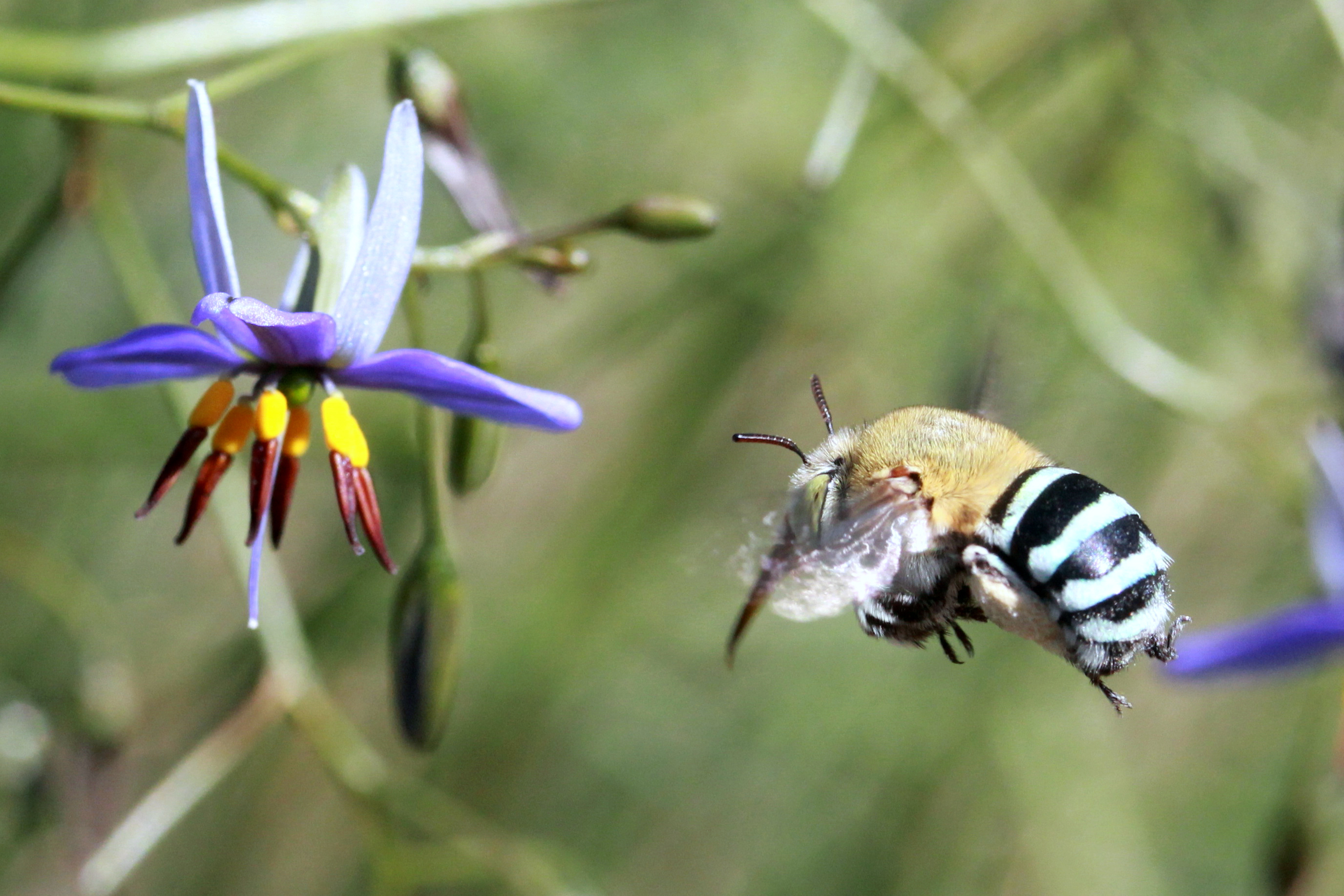
Not all insects are pests - many play essential roles in keeping farms and gardens healthy. Pollinators like bees and hoverflies help plants set seed and fruit, while predatory insects such as ladybirds and lacewings control pests naturally. Other soil-dwelling insects contribute to nutrient cycling and improve soil structure, creating healthier landscapes overall.
Dung Beetles
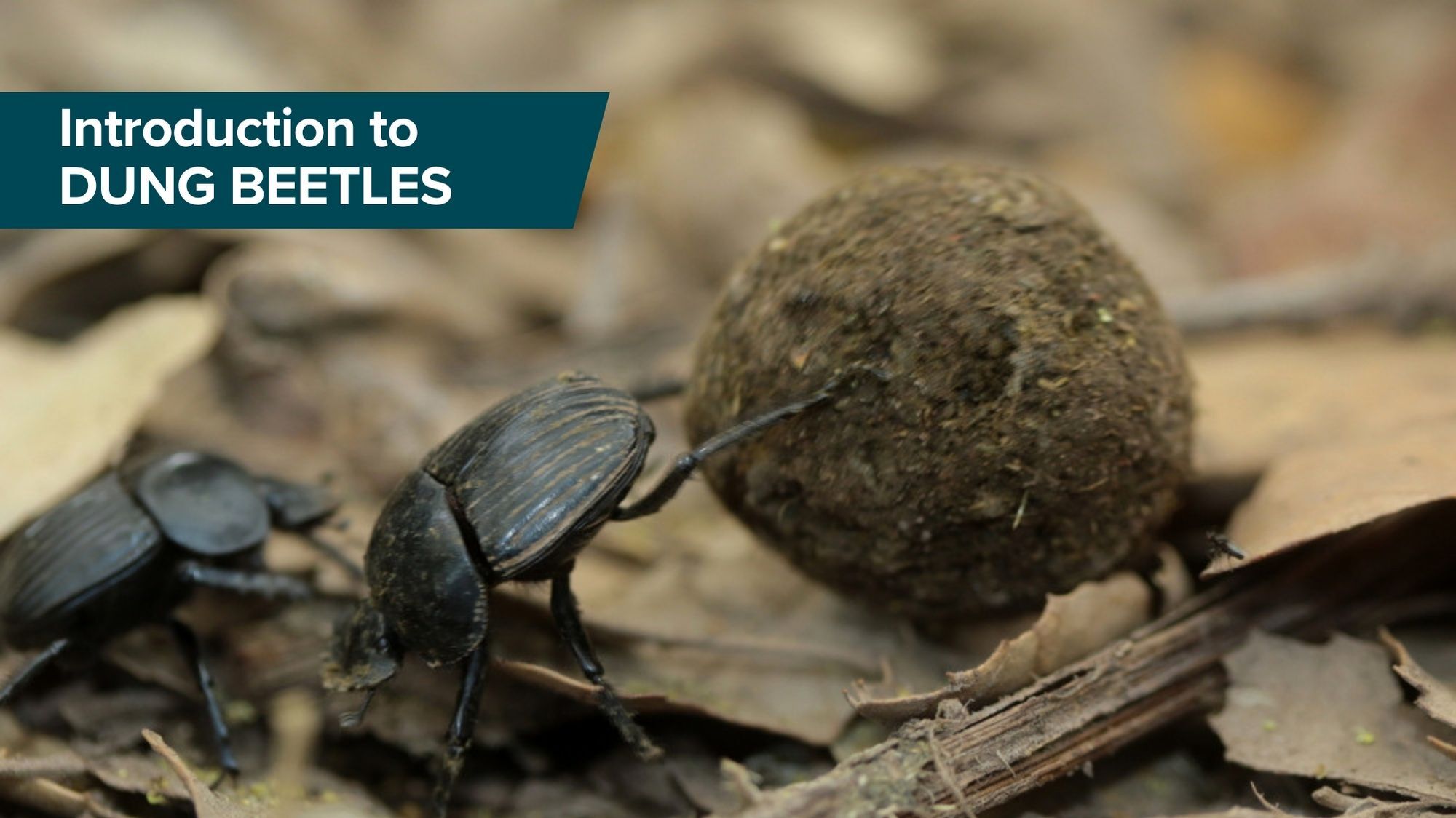
Sometimes called ‘nature’s architects’, dung beetles are a valuable part of a healthy landscape and can significantly improve the health of your soil. They break down organic material, move nutrients from the surface to the subsoil, improve water infiltration, and reduce runoff. By removing dung, they also help control flies and odours and reduce dung-borne parasites. Healthy dung beetle populations can even benefit water quality across the wider catchment.


Establishing a dung beetle population
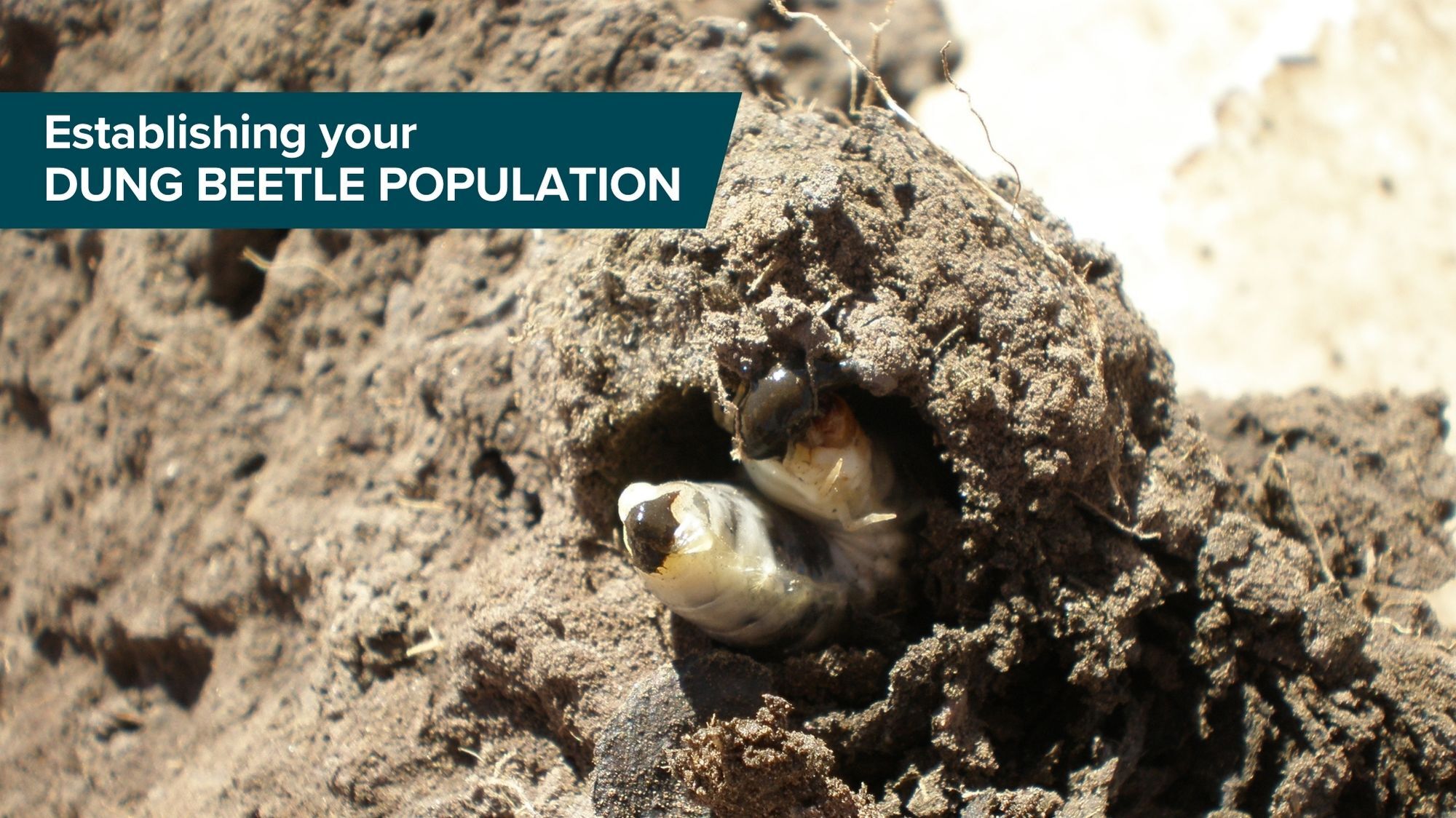
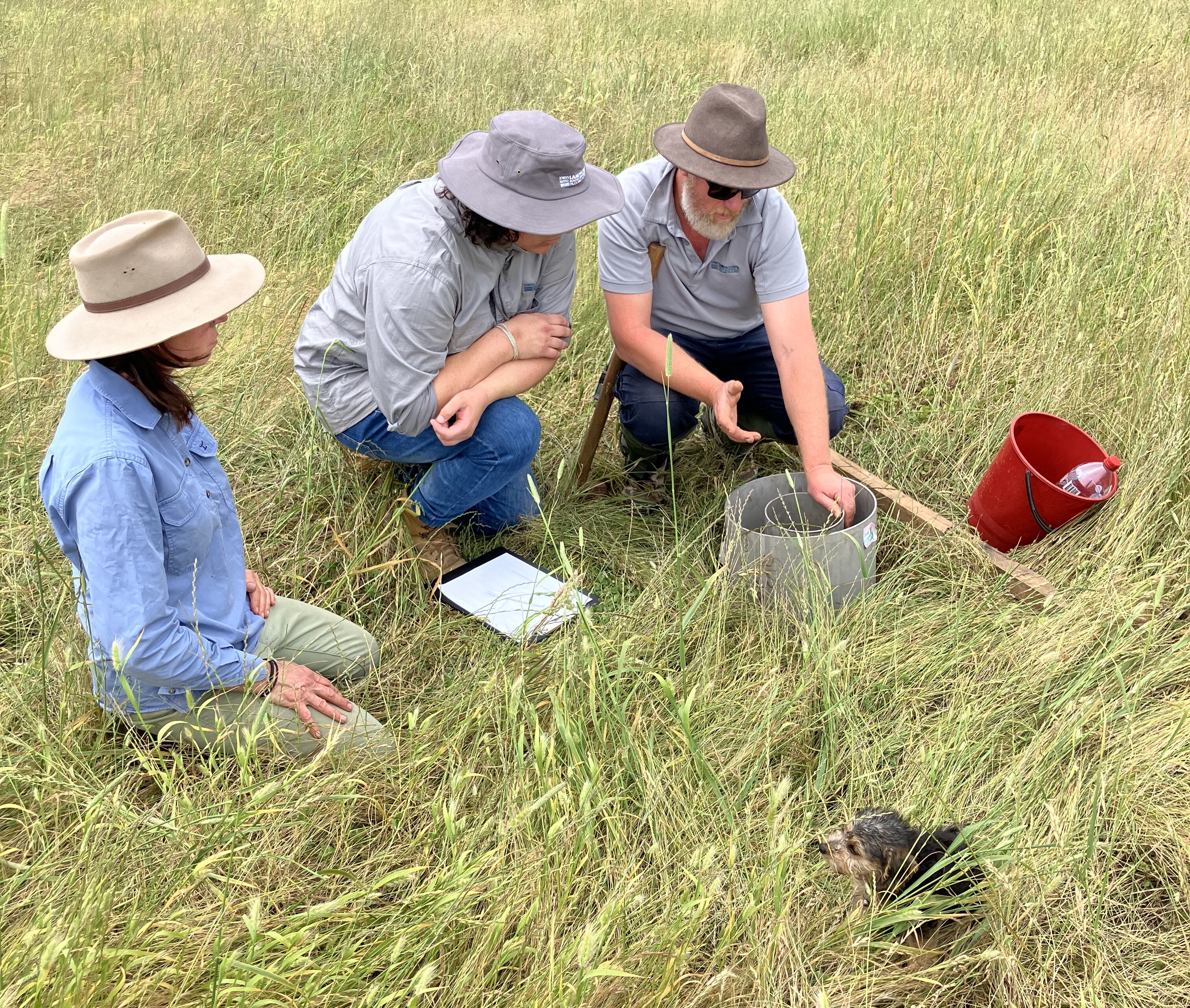
Successfully establishing dung beetles on your property requires careful planning. Factors to consider include the number of cattle needed to support a viable population, the soil type, and seasonal conditions. Planning ahead ensures your dung beetle population becomes self-sustaining and effective.
Please contact us if you need more information on using and purchasing dung beetles.
Managing threats to dung beetles
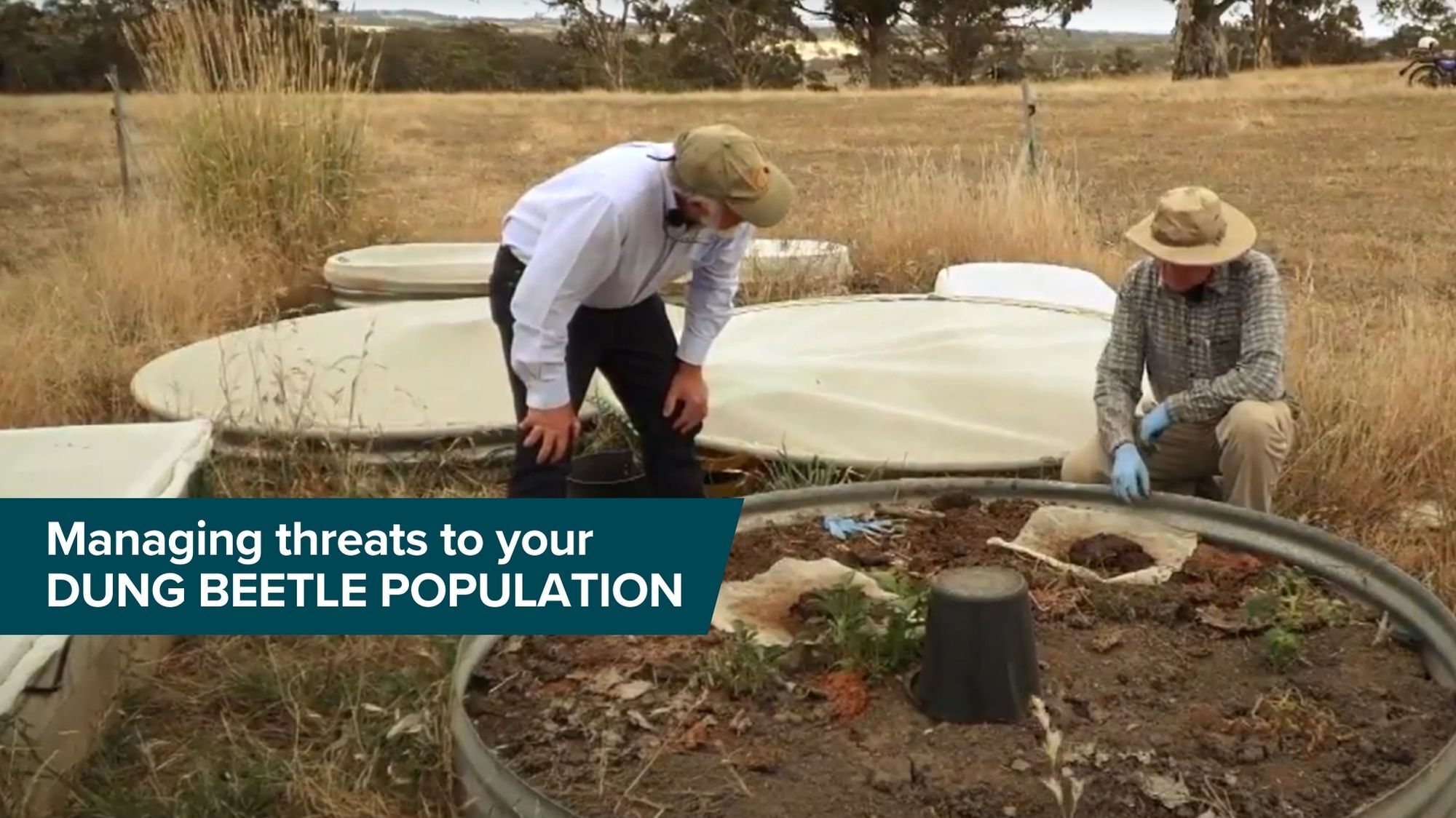
Dung beetles face threats from predators, climate, and chemicals used in livestock and pastures. Monitoring your beetle population and timing chemical treatments appropriately can minimise impacts, helping dung beetles survive and continue benefiting your land.
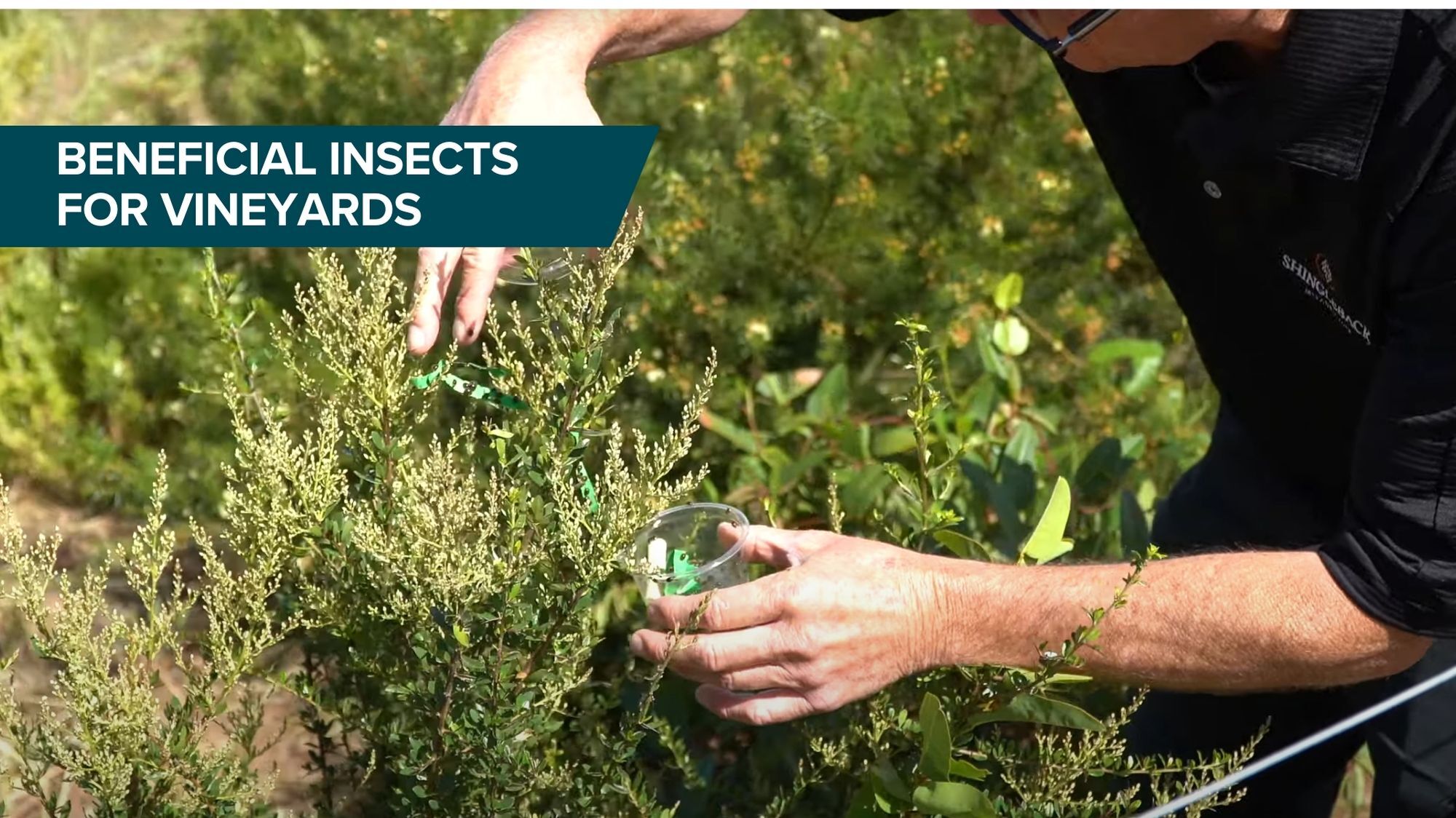
Natural predators of vineyard insect pests
Pest insects such as Light Brown Apple Moth, Grape Vine Scale, Mealybugs and Mites can significantly affect grape production and impact a grower’s bottom line. Many of these pests have natural predators – beneficial insects that help keep pest populations under control. By reducing the use of toxic pesticides and creating habitats that support these beneficial bugs, vineyards can improve insect management naturally, while also supporting surrounding vegetation and estimating the economic value of the benefits observed.

You might also like
More news

Thes dung beetle videos were produced with funding support from the Australian Government’s National Landcare Program.