Bushfire recovery support and resources now available for land managers affected by the Deep Creek and Nangkita fires.

Sustainable livestock management
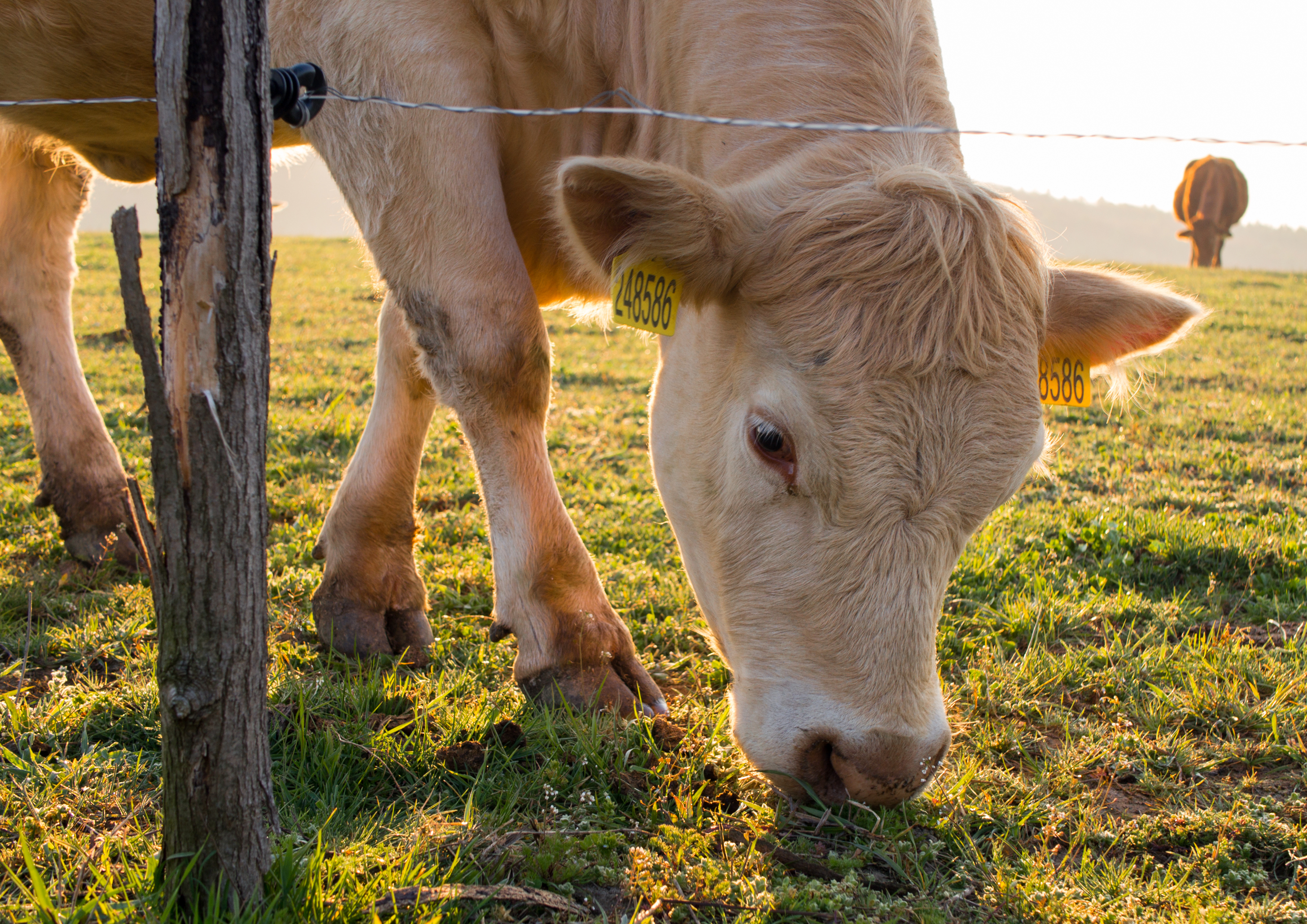
The importance of sustainable stock management
Maintaining the health and productivity of rural properties requires managing livestock in a way that ensures the land and water are not degraded over time. Sustainable livestock management practices are essential for preserving soil health, preventing erosion, and protecting watercourses.
Impacts of poor stock management include:
- over-grazing: reduces soil health, pasture productivity, and ground cover; leads to soil compaction, increased erosion, and weed invasion.
- watercourse degradation: livestock access to watercourses can cause erosion, weed invasion, loss of productive land, decline in habitat for native species, and reduced water quality due to increased sediment, nutrients, and dung.
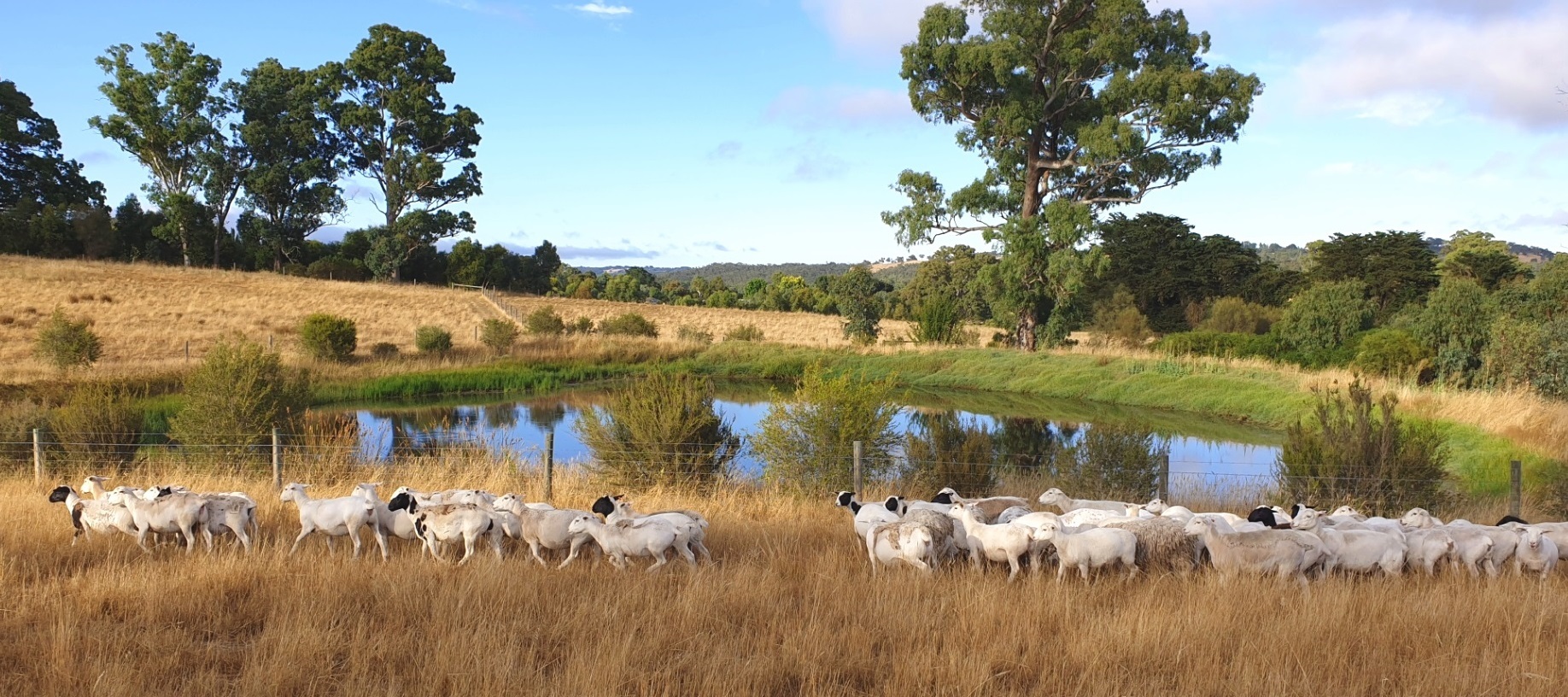
What are sustainable livestock management practices
To keep your land productive and the environment healthy, consider:
- maintaining sustainable stock numbers within the recommended capacity of the land
- controlling access and movement on banks of watercourses
- implementing rotational grazing to give pastures a break
- fencing into smaller paddocks based on land type for better grazing and fodder use
- seeking expert advice on fence type and installation to meet long-term needs
- maintaining healthy pastures by fertilising, liming as required, and controlling pasture weeds
Monitoring livestock condition
Condition scoring your stock helps you make informed decisions about feed budgets and achieving animal condition targets. Feeding stock can be costly, particularly for farmers managing fire-damaged pastures or facing prolonged dry conditions. Condition scoring is a quick and accurate way to monitor livestock health.
In these short videos, livestock consultant Simon Ellis shows how to condition score sheep and cattle and how to use this information in management during dry times and fire recovery.
16006
Sustainable horse management
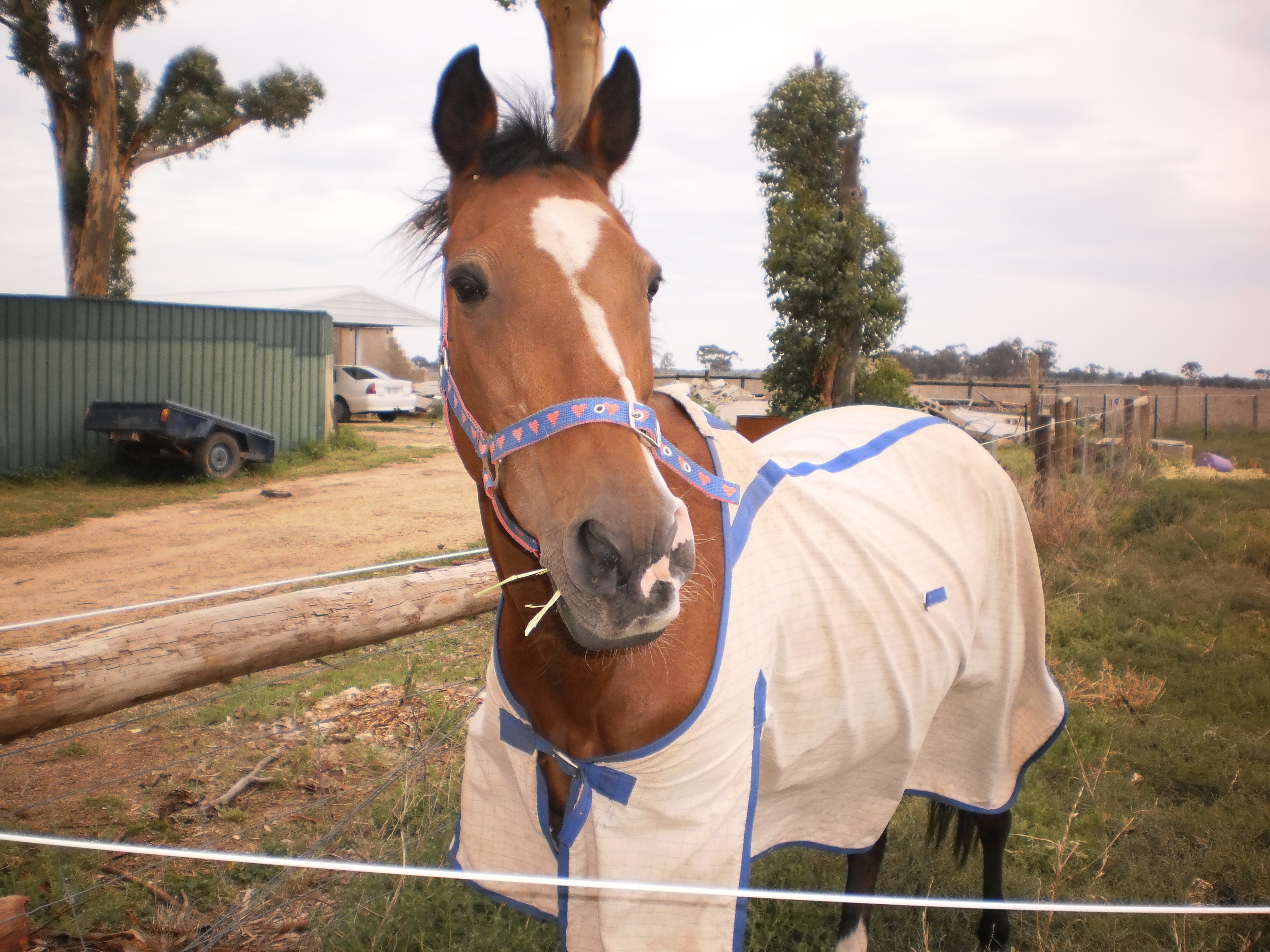
Under South Australian law, horse owners have a duty of care to protect the environment. To support this, the SA Government and Horse SA have developed a set of practical guides to help horse owners sustainably manage horses, stable yards and landscapes.
 Peri urban horse keeping in SA
 Videos: Improving horse health using native grasses