Bushfire recovery support and resources now available for land managers affected by the Deep Creek and Nangkita fires.

Carbon markets
What is a Carbon Market?
Carbon markets allow farmers to sell carbon credits earned by reducing or capturing emissions on their land.
There are both Australian and international carbon markets, offering voluntary and regulatory opportunities. The Australian Government's Australian Carbon Credit Units are recognised as one of the most credible carbon units globally
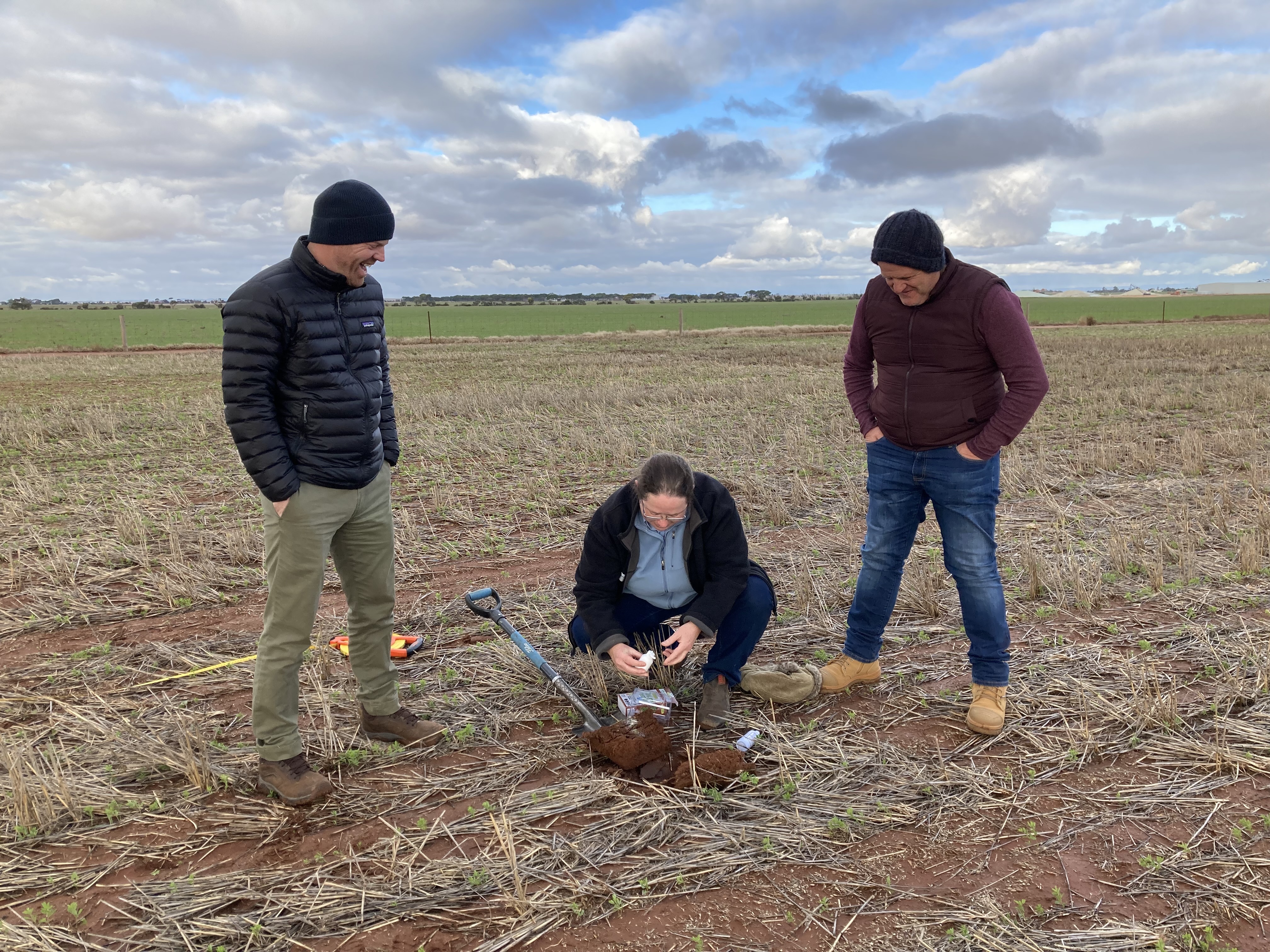
Understanding the Australian Carbon Credit Scheme
The Australian Carbon Credit Scheme is administered by the Australian Government Clean Energy Regulator. The Australian market currency is the Australian Carbon Credit Unit (ACCU).
ACCUs are a tradable financial product, to encourage carbon abatement activities in Australia. One ACCU equals one tonne carbon dioxide equivalent stored or avoided. The current price for an ACCU can be found here.
To attain ACCU’s there is a need to change management of the land, livestock, pastures or crops in order to ensure the carbon captured is in addition to what would have happened anyway (additionality). Management practices must follow a specific legislated "method." These "methods" outline the rules for conducting projects under the ACCU Scheme.
The Australian Carbon Credit Scheme offers several methods for the agriculture sector, including:
Animal effluent management method
Beef cattle herd management method
Estimating sequestration of carbon in soil using default values method
Reducing greenhouse gas emission in beef cattle through feeding nitrate containing supplements method
Reforestation by Environmental or Mallee plantings – FullCAM method
Integrated Farm and Land Management method (currently in development)
These are Australia wide ‘methods’ and not all may be viable in the Hills and Fleurieu. There are also new ‘methods’ being developed, so if there isn’t an applicable method now, there may be into the future.
Earning ACCUs
ACCUs are earned after reporting confirms the project has delivered emissions reductions, or carbon storage. The project proponent will usually lodge the first offsets report between 6 months and 5 years after the project starts. The Clean Energy Regulator may take up to 90 days to assess an offsets report.
How to participate:
Steps on how to participate can be found here.
ACCU Tools and resources
 Australian Government Clean Energy Regulator: Soil and vegetation sequestration decision tree
What to consider before joining the carbon market
Before signing up for a carbon project, it’s important to consider several factors that could affect your farm, your business, and the success of the project.
There are trade-off and risks to consider before signing up for a carbon project, including whether the location and features of your farm are suitable. For example, rainfall, temperature patterns, soil type and land management history can all impact the future potential of storing carbon in the soil.
The compatibility of a carbon project within existing or proposed future agricultural production, along with catchment scale considerations including water licensing and fire risk should also be considered in decision making.
Business as usual, even if this is best practice, will not assist in entering the carbon market. Actions need to meet additionality requirements. The reward is for change of management practices that will result in change in carbon mitigation and/or sequestration that would not have happened otherwise.
The price of carbon is driven by
- Market supply and demand;
- The type of carbon offset. For example a company looking to purchase an offset may be prepared to pay more for a vegetation related offset over an energy reduction offset, to better align with their company values;
- The quality of the carbon offset, or the certainty of it actually reducing emissions
- If there are any co-benefits e.g. biodiversity gains.
There are a number of market drivers in the current carbon market:
- Businesses who voluntary offset their operations by purchasing carbon credits.
- Australian Government Safeguard Mechanism driving demand for carbon credits from Australian largest emitters who are required, by law, to reduce their emissions.
- Australian Government themselves seeking carbon credits in order to meet commitments.
Getting started with a carbon project
Land managers have several choices when it comes to carbon credits, and understanding your options, roles, and obligations is key to making informed decisions.
How you use your carbon credits can affect your farm’s emissions and market opportunities.
- Inset – Offset your own farm emissions internally.
- Hold – Keep credits for future use.
- Sell – Transfer credits to another entity for payment.
Market considerations, such as the emissions intensity of your produce, can influence which option works best.
Knowing the different roles helps you understand responsibilities and legal obligations.
- Carbon service providers – Assist with project planning and management. Compare offerings and check credentials.
- Project proponent – The legal right holder who carries out the project and receives the carbon credits. Land managers can act as the proponent or assign the role to another entity.
Understanding costs and contract terms is essential before committing.
- Costs – Baseline assessment, project implementation, reporting, and auditing.
- Contract length / term – ACCU Scheme contracts range from 25 to 100 years. Consider long-term impacts on land value and succession planning.
Being aware of rules and reporting requirements ensures compliance and protects your interests.
- ACCU methods – Each method sets rules for estimating, measuring, verifying, and reporting emissions and carbon storage.
- Reporting and auditing – Required under the ACCU Scheme; check the Clean Energy Regulator for details.
- Rights and responsibilities – Legal matters apply. Independent advice is strongly recommended.
International carbon markets
Carbon credits from international markets don’t count towards Australia’s greenhouse gas totals, but they can still provide opportunities for landholders to earn income from carbon storage. These markets often have different rules and standards compared to Australian methods, so it’s important to understand what’s required before joining. Some examples of international schemes include:
This project is funded by the Commonwealth of Australia through the Department of Climate Change, Energy, the Environment, and Water under the Carbon Farming Outreach Program.
Landscapes Hills and Fleurieu is not a financial adviser. This information is for general use only and should not be taken as constituting professional advice. You should consider seeking independent legal, financial, taxation or other advice to check how this information relates to your unique circumstances. Landscapes Hills and Fleurieu is not liable for any loss caused, whether due to negligence or otherwise, arising from the use of, or reliance on, the information provided directly or indirectly, through this website.