Bushfire recovery support and resources now available for land managers affected by the Deep Creek and Nangkita fires.

Grassroot Grants
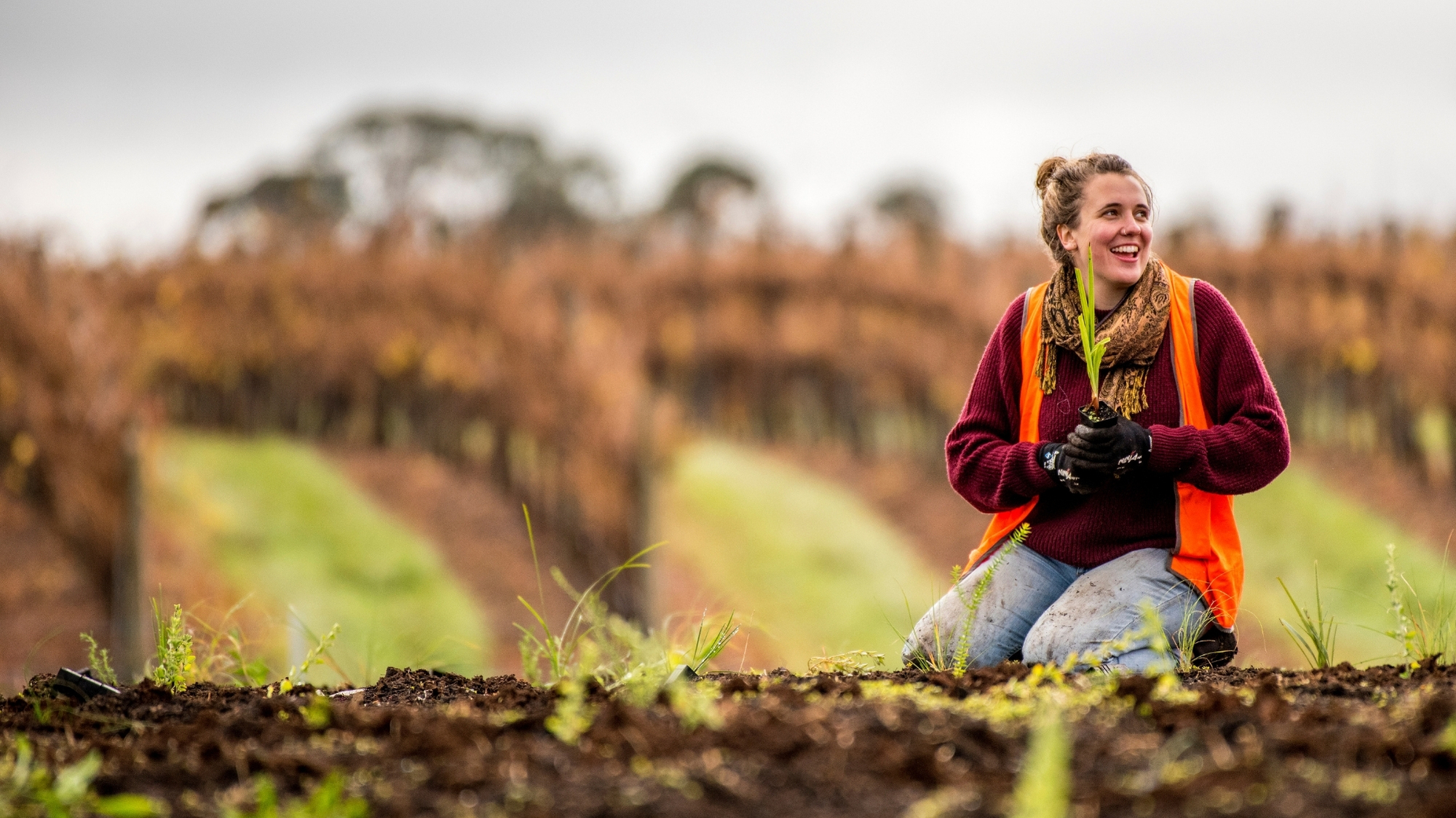
Apply for a Grassroots Grant today!
Our annual Grassroots Grants program offers up to $260,000 each year to support volunteers, schools, environmental community organisations, not-for-profit groups and landholders working locally to deliver environmental and regenerative land management outcomes.
Grants are available for projects across the Adelaide Hills and Fleurieu in two funding tiers: less than $5,000 and up to $20,000.
Applications close at 12:00pm (midday) on Wednesday 2 April. Don’t miss your chance to secure funding for your local project.
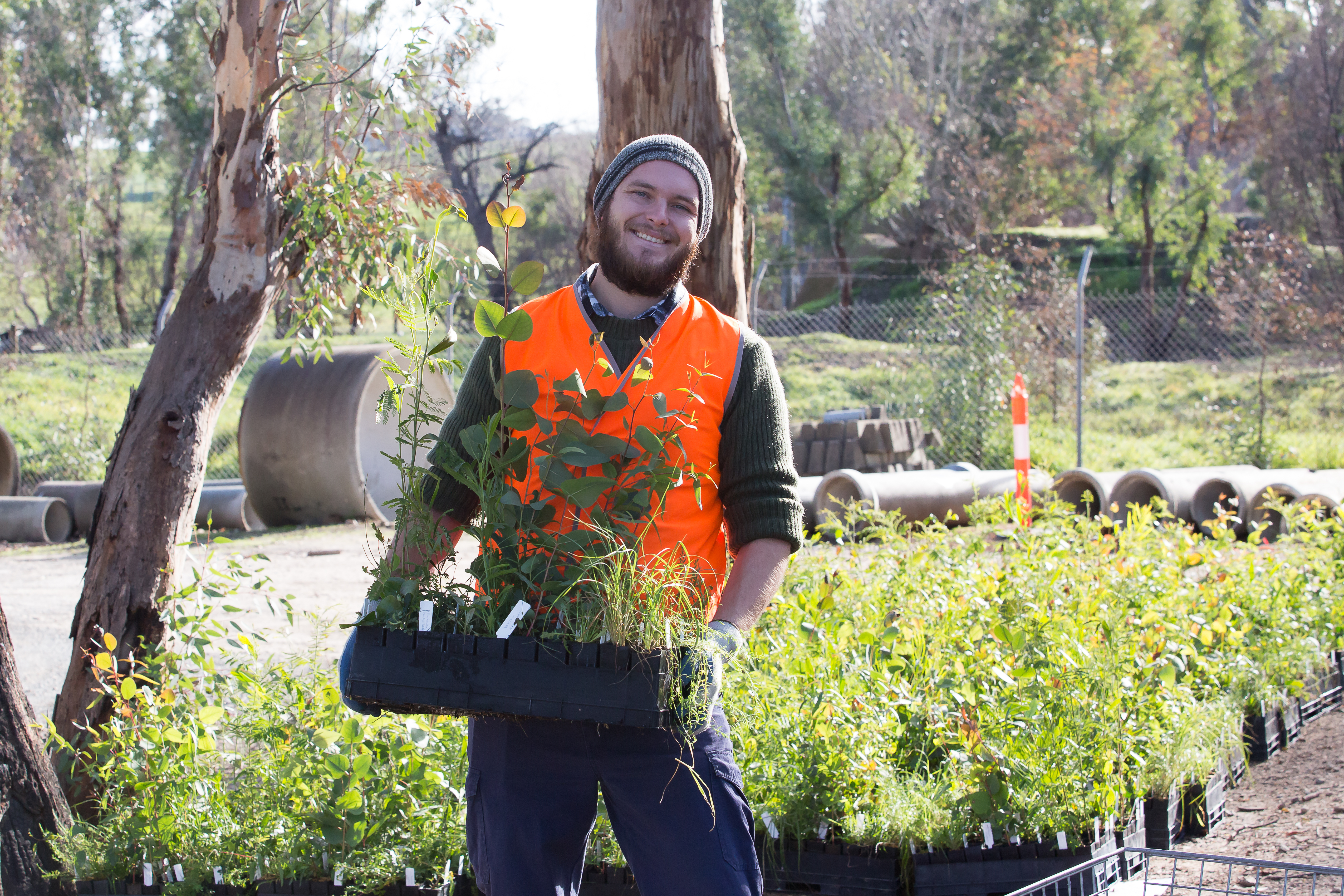
How to apply for a Grassroots Grant in 2026
If you are interested in applying for a Grassroots Grant, follow these three steps:
Download the Application Guidelines
Contact Landscapes Hills and Fleurieu via phone or email to discuss your project with a Stewardship or Project Officer prior to submitting your application.
Fill out the application via the SmartyGrants website via the buttons below
Frequently asked questions
Please see below a list of frequently asked questions that may assist with your application. If you have additional enquiries, please feel free to reach out to us directly on (08) 8391 7500 or email Hf.LandscapeBoard@sa.gov.au.
Grassroots Grants open for applications each year in March and typically remain open for six weeks.
If you miss the current round, don’t worry, Grassroots Grants are annual, so there will be another opportunity next year.
We recommend using the time between rounds to:
- Develop and refine your project ideas
- Seek necessary approvals
- Prepare your application materials
Planning ahead can give your project the best chance of success when the next round opens.
You can also check out other grant opportunities listed here.
Grassroots grants are for projects which will help restore land, water and/or nature in your local area. Projects should broadly align with one or more of the priorities and Focus Areas detailed in the Hills and Fleurieu Landscape Plan 2021-26. Here are some examples of who can apply for a Grassroots Grant, and eligible projects:
Landholders
Eligible projects include fencing off creeks and dams from livestock and other grazing herbivores, revegetation with local native plants, planting/protecting regenerating paddock trees and or native grasses, fencing off and managing native vegetation areas from livestock and kangaroos, regenerative farming practices to improve soil health, signage promoting these projects. Applications for projects which run across neighbouring properties and cover significant area, therefore providing landscape-scale environmental benefit will be viewed favourably in the assessment process. Videos Kanyanyapilla - Land Regeneration Environmental volunteer groups
Projects might include fencing off creeks to protect native vegetation, revegetation with local native plants, weed and pest control in sensitive bushland and habitat areas, Personal Protective Equipment (PPE) and tools for bushcare, workshops, training, publications, signage, monitoring, surveys. Videos
First Nations
Caring for Country and cultural projects.
Projects to connect First Nations knowledge-holders with local landholders.
Videos
Schools
Revegetation, bushcare, tree nest boxes, creek protection/restoration, eco-trails, projects that connect students to country through Aboriginal cultural knowledge.
Schools must demonstrate that they are applying for a dedicated environmental project, not for regular school activities such as general grounds-keeping.
Videos
Primary Producer groups and associations
Industry and agriculture groups, building capacity related to improving land management.
Environmental projects across neighbouring properties, soil regeneration signage, dung beetles projects, landscape-scale watercourse restoration, revegetation and paddock trees, biodiversity surveys, environmental land management training and workshops.
Videos
Funding will not be provided for projects such as general house and garden landscaping/amenity activities for private homes, sporting clubs, schools and early learning centres. Community gardens including edible gardens will also not be considered.
Projects seeking funds only for weed control on private property, generally will not be funded as this is a basic landholder responsibility. Weed control is however a valued in-kind contribution to broader biodiversity restoration projects.
An applicant must be a ‘legal entity’, such as:
- Individuals
- Partnership (made up of two or more individuals)
- Corporations/companies under the Corporations Act 2001 – have a unique ACN and are represented by “Pty”, “Pty Ltd” or “Ltd” following the company name
- Associations – incorporated under the Associations Incorporation Act 1985 (have “Inc.” after their name)
- Trustees in a trust (e.g. John Smith as Trustee for the Smith Family Trust)
- Local Government – under Local Government Act 1999
- Most Australian universities
- An unincorporated association or group.
- A trust (e.g. Smith Family Trust) however the trustees can be. The trustees may be individuals or companies.
- Businesses/business names.
- Some private schools. Some private schools are incorporated or companies, however, many are not.
- Public schools are NOT a legal entity, however the contract would be with the Minister of Education and Child Development, which is a legal entity.
Applicants who are not a legal entity will need to seek an eligible sponsor.
If you are not a legal entity e.g. a group of neighbouring landholders working together for pest management activities, you will need a person or organisation to be responsible for receiving and managing grant funding and reporting.
This could be the local council, an incorporated group or an individual. A sponsor’s letter is required to be submitted with your application if you are using a sponsor.
A co-contribution is a contribution from the grant applicant or other project partners in addition to the funding provided by the grant program. Co-contributions help funding go further and ensure grant applicants are invested in their projects. They can include (any combination of): your own cash; someone else’s cash (e.g., a partner organisation or investor); and/or time and effort from you or volunteers (valued at $50.50 per hour), also called in-kind contributions. Our Grassroots Grants require a 50% co-contribution, this means for every $1 of grant funding requested, there must be at least 50 cents of other contributions. See this resource for further information.
On average, over the last four years of these grants, the grant round has been oversubscribed by over two times, meaning only about a half of applications can be funded.
As an individual you are eligible to apply. However, for your application to be competitive, you may wish to consider how your project could benefit the broader community, or provide opportunities for them to become involved. Alternatively you could apply for funding for a not-for-profit project in partnership with a community organisation, providing greater public benefit.
Because these grants come from public money, we want projects to have outcomes that benefit the community and not just individuals. By ‘public benefit’ we mean activities that have a purpose for helping the ‘general public’ or a ‘sufficient section of the general public’. It also comes down to ‘the level’ of public benefit. For example: a private landholder wants to apply for money to fence off a watercourse from stock access. This has public benefit – because it’s in the general public benefit for cattle not to be fouling creeks that travel into other public resources/reservoirs or to downstream neighbours. In contrast, a private landholder wanting to apply for money to tackle blackberry in a paddock does not have the same level of public benefit.
Yes, if you are a school or community volunteer group applying in Tier 1.
Otherwise, generally, funding is not provided for the purchase of assets which become the sole property of an individual (equipment for groups however, is an eligible expense). Individuals are encouraged to borrow or hire equipment. If in doubt, contact us.
If successful with funding, your project is likely to invoke some legal responsibilities. This could range from landholder permissions (for whose land you may be working on); to water affecting activity permits (if there are works proposed in or around waterways, floodplains, lakes and dams); council and/or development approvals; Aboriginal Heritage; threatened species considerations; native vegetation clearance and Work Health and Safety considerations such as public safety and volunteer management.
You will need to check if your project is a Water Affecting Activity. If a permit is required, this must be identified in the Grant Agreement along with any conditions. The board will apply a permit fee exemption as part of the grant approval.
No, once the grants close, late applications will not be accepted.
Yes, provided the projects are separate and and you/your organisation has the capacity to deliver them. However, please be mindful that these grants have been oversubscribed in previous rounds. The assessment panel will consider equitable distribution of funds among the community, as well as addressing landscape and regional priorities.
Yes, as long as the project and activities are not-for-profit and meets one or more of the priorities laid out in the Guidelines for Applicants.
It is anticipated that the assessment and approvals process will take approximately six to eight weeks after the application period closes, although this is dependent upon the number of applications recevied. We do go a little quiet during assessment phase, but rest assured all applicants will be advised in writing (via email) of the outcome of their application. This happens promptly after our June board meeting.
Most grants will be paid 100% upfront within a month of signing an agreement. In some circumstances (a large grant, or a higher risk project), we may negotiate staged payments e.g. 80% upfront, 20% upon completion.
Payments are processed via Shared Services SA. If you are a successful applicant, but not currently a vendor with Shared Services SA, we will guide you through how to become a vendor.
Specific advice from the ATO’s GST team has indicated that Grassroots Grantees do not constitute a ‘supply’ of goods or services to our organisation. What this means - if you are successful in gaining a grant, it’s not appropriate to then apply additional 10% GST to invoices for your grant money, as ‘supply’ of goods and services does not occur in those transactions. Instead, we recommend you include in your application the total amount to cover all GST on all your outgoings and invoice for the same amount if successful.
It is possible, however please carefully consider the likely maximum amount of time needed to deliver your project in the application stage.
It is important that your project is discussed with one of our staff before submission. They will help you to ensure eligibility of your project and provide advice that could help you better align with board priorities. There are a list of contacts within the Grassroot Grant Guidelines.
Advice will generally be provided over the phone or in person. We don’t help write applications.
For general information or assistance with Grassroots Grants, please contact us on 8391 7500 or email hf.landscapeboardgrants@sa.gov.au.
Please see our Grants page for other funding opportunities.
18907
Grassroots Grants in action
See what’s possible when our Grassroots Grants are in action. Watch the stories below or click here for more inspiring projects from across our region.
Previous Grassroots Grants recipients
| Recipient | Project Name | Project focus |
|---|---|---|
| Activating Bridgewater | Activating Bridgewater Ploughshare Reserve Project | This is a small community project being coordinated and undertaken by Activating Bridgewater ('AB'), a community progress association focused on the communities of Bridgewater and Mount George. This project will undertake weed control, restoration and planting work through community participation. |
| Anthea W (Landholder) | Hidden Hill Farm vegetation corridors | This project will fence three 800 m corridors to link vegetation areas and create stock shelter belts, building on four years of revegetation work. Volunteers will grow and plant 600 native seedlings from local and purchased seed. Fencing will be cost-effective, using existing lines, with all labour provided by the community. |
| Andrew M (Landholder) | Native vegetation management and protection | Fence construction around a patch of remnant vegetation that was impacted by the Sampson flat fire to control grazing. Prior to the fire there was over forty species of orchid including Caladenia ridgida and many other species of vegetation. |
| Ashlee W (collaborated landholders) | Cudlee Creek River Torrens / Karrawirra Parri Restoration | This collaborative project spans 1.25 km of the River Torrens at Cudlee Creek, tackling invasive weeds and restoring native vegetation. It aims to enhance wildlife habitat, reduce erosion and fire risk, and improve biodiversity. Landholders are committed to long-term maintenance, building on past revegetation efforts to revitalise the river corridor. |
| Basket Range Primary School | Basket Range indigenous ecosystems | Understorey revegetation within the Basket Range Primary School with First Nations involvement. |
| Biodiversity McLaren Vale | Weedy Wednesday with Biodiversity McLaren Vale | Protect a critical environmental watercourses on a 46 hectare property at Kersbrook. There are two main watercourses which run through the property and flow into Malcolm Creek. The project will involve fencing the watercourses (an area of approximately 9 hectares representing 20% of the property) which will contribute to the preservation of the freshwater ecosystem in Kersbrook, the restoration of native vegetation and provide shelter for threatened species and wildlife. |
| Adelaide Hills Council | Improving habitat quality at Mylor Parklands for Osborne's Eyebright | Improve vegetation condition and habitat quality around a previously recorded Osborne's Eyebright population in Mylor Parklands, currently considered locally extinct. Through pest plant and animal management, and a prescribed burn, the project aims to stimulate regeneration of this fire responsive threatened species. |
| Hills Biodiversity | Willawilla Bush Regeneration Project | Bush regeneration and biodiversity monitoring project in the upper reaches of Brownhill Creek in Crafers West, Adelaide Hills. Willawilla is a collaboration between Hills Biodiversity, 11 local landholders, and volunteers, who have been working together since 2020 to reduce the significant proliferation of blackberries, broom, erica and gorse in a 30 hectare pocket of stringybark woodland. |
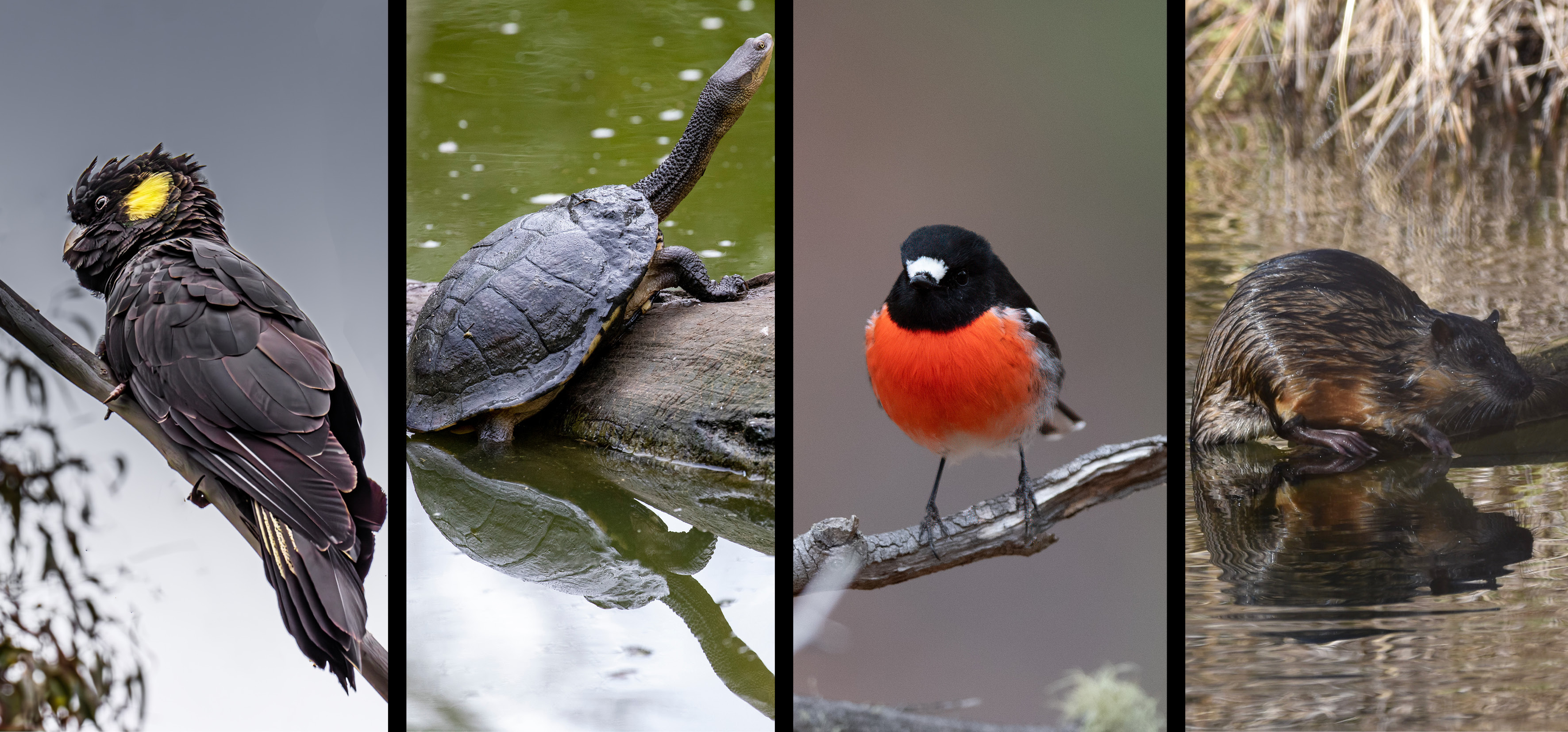
| Flaxley Landcare Group | Enhancing habitat for yellow-tailed black cockatoos | Use the plight of the iconic and much-admired yellow-tailed black cockatoo (Zanda funereus) to mobilise landholders and community members to undertake nature positive actions on private land in a highly fragmented agricultural landscape. |
| Karen and Chris L | Tloperi Habitat restoration project | Purchase locally indigenous tubestock from Clayton Bay Environment Group and Community Nursery to plant at Tloperi, a privately owned sanctuary located in RAMSAR wetland, adjacent to Lawarii Conservation Park. |
| Friends of Nurragi Conservation Reserve | Nurragi Conservation Reserve: Revegetation to consolidate the nature corridor | Purchase 300 native tube stock plants to revegetate some bare sections of the Nurragi disused train line turned walking trail. |
| Breathe Easy Revegetation | Middleton Creek Improvement Project - Ngarrindjeri Yarluwar-Ruwe | Further improve a section of the Middleton Creek with plantings, with a particular focus on canopy and swamp species to begin shading out the Kikuyu, provide deep soil stabilisation, improve water quality, reduce evaporation and in time provide food, habitat and entry points for native fauna. |
| Pampalla Farm | Revitalising Dawesley Creek: Woody Weed Clearing Initiative | Address the significant issue of invasive woody weeds along Dawesley Creek. These invasive species pose a threat to the local ecosystem, water quality, and biodiversity. |
| Langhorne Creek Grape and Wine | Understanding soils for sustainable vineyard management | Soil pits and workshops to fill knowledge gap and increase confidence on soil testing and soil profiles for vineyard management. |
| Finniss Catchment Group | Finniss River Riparian Improvement | Continued protection and maintenance of the Finniss River through weed control activities in difficult areas to access. |
| Riverdale Rewild Farm | Riverdale Rewild Farm - A community hub for connection & environmental restoration | Support the establishment of a native nursery by purchasing seed sorting benches for native grasses and forbs to be managed by local community volunteers. |
| Mount Compass Area School | Mount Compass Area School (MCAS) Fleurieu Swamp Monitoring | Purchase a range of equipment to support important work on the Fleurieu heritage listed swamp for kids across all year levels to engage in. Equipment includes swamp nets, hand-held microscopes, loupes and magnifiers as well as water testing equipment to measure pH, salinity, turbidity and phosphate. |
| Annabelle M | BellaFord Swamp, creekline and woodland restoration | Restore an area of rare swamp, creekline and remnant woodland on our property, BellaFord, by fencing off these areas to exclude stock and then implementing our restoration plan. This requires approximately 1.3km of fencing and gate access. |
| Kanmantoo Callington Landcare Group | Greening the Bremer 2024-2025 | Complete a restored, connected and protected biodiverse corridor along the Bremer River from the SE freeway to Plantation Rd, Kanmantoo. Project involves 900m of fencing across two private landholder properties protecting the Bremer. |
| Riverdale Rewild Farm | Ecological restoration of a river/ pastoral block for community education and environmental benefits | Riverdale Rewild Farm, local community groups, landholders, Birds SA and Seeding Natives are embarking on a project to restore/reconstruct at least one kilometre of the Bremer River's terrestrial ecosystems with a focus on on-ground work and education. This project includes site preparation (weed control) and restoration activities (direct seeding, propagation, growing and planting) of the riverbank vegetation zone and the adjoining grassy woodland vegetation communities. |
| Yundi Nature Conservancy | Nature repair network and activities to restore & manage swamps of the Fleurieu Peninsula | Increase the speed and scale of implementation, including sharing the cost of aggregated contracting for complex works for public good (e.g. Phragmites and woody weed removal from biodiverse areas), nursery planting stock, fencing and restoration of swamp hydrology. |
| Peninsula Providore Farm | Nangkita Olive Grove Biodiversity Enhancement Project | Improve the Nangkita Grove’s natural environment into a model ecosystem, setting a precedent for similar endeavours across the Adelaide Hills and Fleurieu Peninsula. |
| Investigator College | Currency Creek Eco Center eastern long-necked turtle basking platforms and nest protection | Habitat improvements, predation protection, monitoring, surveying and interpretive and educational/promotional signage. This region has an aging turtle population demographic with limited numbers of younger turtles in the population due to predation. Turtles are an important part of the freshwater ecosystem and are threatened. This projects compliments other research projects at this location and is supported by First Nations people and researchers. |
| Girl Guides SA Inc. | Weed eradication and revegetation of the Blewitt Springs creekline adjacent to heritage area | Remove weeds in particular boneseed, broom, olive, watsonia and Acacia longifolia along part of the Blewitt Springs creekline (Pedlar Creek catchment) adjacent to the Douglas Scrub Heritage agreement area. |
| Fleurieu Marine Education | Coastal Custodians | A school holiday coastal engagement program of 18 workshops for children 8 to 12 years old over 9 months. The project aims at educating and creating experiences for participants through immersion and investigation highlighting the importance of marine biodiversity, and the local iconic species that are vulnerable, under threat and recovering. |
| Bio-R | Seed Cleaning and Storage: Addressing a gap in the large- scale restoration of Woodland understorey on the Fleurieu Peninsula | Install a seed cleaning and storage area to provide community volunteers an efficient and usable space to process the seeds they collect. This area will consist of essential equipment for seed cleaning and storage, and a construed rodent-proof room inside an existing shed for storage. Workshops will be held focusing on proper seed cleaning and storage protocols. Invitation to these workshops will be extended to members of other community groups with similar interests. |
| GT Viticulture | Pedler Creek woody weed removal and native revegetation | Continue existing creekline restoration by removing invasive/woody weeds, undertaking revegetation and fencing the area to protect it from seasonal grazing and deter native pests. |
| Willunga Hillsface Landcare Group | Second Stage of "Revegetation of SA Water Plains Road Aldinga site", part of the larger "Caring for the Washpool Wetland Catchment" project | Plant 2,000 native plants in the Washpool wetland catchment, addressing the persistent silt build-up issue. Situated at the SA Water Aldinga Wastewater Treatment Plant, the site covers a 600- meter section leading to the Washpool in the Willunga Basin Conservation Park. |
| Recipient | Project Name | Project focus |
|---|---|---|
| Hills Montessori School | Yultiwirra Yarning Circle & Reconciliation Garden | Create a reconciliation garden by reinvigorating a 750 square metre existing bush area with weeding and revegetation in the Hills Montessori School and establishing a yarning circle within it. The project collaborates with First Nations man, David Booth, to gain insight into the traditional uses of native plants. |
| Lifeflow Meditation Centre | Bringing Back our Grasslands | Re-introducing Kangaroo Grass at 'Peppertree'. |
| Mid Torrens Landcare Group | River Habitats at Cudlee Creek | Improving the riparian habitat of Karrawirra Pari/Torrens River of Cudlee Creek Conservation Park, removing exotic weeds choking the riverbanks and feeding tributaries. Outcomes are aimed at recovery of threatened species like the Bassian thrush, and protection of habitats of brushtail possum, scarlet robin and rakali (Hydromys chrysogaster). |
| Clare E | Hatchlands Creek Restoration for Native Fish Recolonisation | Fence-off Hatchlands Creek from stock for watercourse improvement and to assist the native Galaxia and permanent pool health. |
| Sixth Creek Catchment Group | Re-establsihing Biodiversity in Sustainable Riparian Habitats of the Sixth Creek | Improve the Sixth Creek riparian watercourse and buffer zones to benefit native plants, animals, freshwater aquatic species and community appreciation of natural resources in the Adelaide Hills biodiversity hotspot. The landscape project includes six worksites and covers a riparian area along the creek of 31.4 hectares of public conservation park and recreation spaces, walking trails and private landholdings, with sites being established gradually since 2011. |
| Dina and Peter C | Protect and restore native vegetation and freshwater ecosystem. | Protect a critical environmental watercourses on a 46 hectare property at Kersbrook. There are two main watercourses which run through the property and flow into Malcolm Creek. The project will involve fencing the watercourses (an area of approximately 9 hectares representing 20% of the property) which will contribute to the preservation of the freshwater ecosystem in Kersbrook, the restoration of native vegetation and provide shelter for threatened species and wildlife. |
| Adelaide Hills Council | Improving habitat quality at Mylor Parklands for Osborne's Eyebright | Improve vegetation condition and habitat quality around a previously recorded Osborne's Eyebright population in Mylor Parklands, currently considered locally extinct. Through pest plant and animal management, and a prescribed burn, the project aims to stimulate regeneration of this fire responsive threatened species. |
| Hills Biodiversity | Willawilla Bush Regeneration Project | Bush regeneration and biodiversity monitoring project in the upper reaches of Brownhill Creek in Crafers West, Adelaide Hills. Willawilla is a collaboration between Hills Biodiversity, 11 local landholders, and volunteers, who have been working together since 2020 to reduce the significant proliferation of blackberries, broom, erica and gorse in a 30 hectare pocket of stringybark woodland. |
| Flaxley Landcare Group | Enhancing habitat for yellow-tailed black cockatoos | Use the plight of the iconic and much-admired yellow-tailed black cockatoo (Zanda funereus) to mobilise landholders and community members to undertake nature positive actions on private land in a highly fragmented agricultural landscape. |
| Karen and Chris L | Tloperi Habitat restoration project | Purchase locally indigenous tubestock from Clayton Bay Environment Group and Community Nursery to plant at Tloperi, a privately owned sanctuary located in RAMSAR wetland, adjacent to Lawarii Conservation Park. |
| Friends of Nurragi Conservation Reserve | Nurragi Conservation Reserve: Revegetation to consolidate the nature corridor | Purchase 300 native tube stock plants to revegetate some bare sections of the Nurragi disused train line turned walking trail. |
| Breathe Easy Revegetation | Middleton Creek Improvement Project - Ngarrindjeri Yarluwar-Ruwe | Further improve a section of the Middleton Creek with plantings, with a particular focus on canopy and swamp species to begin shading out the Kikuyu, provide deep soil stabilisation, improve water quality, reduce evaporation and in time provide food, habitat and entry points for native fauna. |
| Pampalla Farm | Revitalising Dawesley Creek: Woody Weed Clearing Initiative | Address the significant issue of invasive woody weeds along Dawesley Creek. These invasive species pose a threat to the local ecosystem, water quality, and biodiversity. |
| Langhorne Creek Grape and Wine | Understanding soils for sustainable vineyard management | Soil pits and workshops to fill knowledge gap and increase confidence on soil testing and soil profiles for vineyard management. |
| Finniss Catchment Group | Finniss River Riparian Improvement | Continued protection and maintenance of the Finniss River through weed control activities in difficult areas to access. |
| Riverdale Rewild Farm | Riverdale Rewild Farm - A community hub for connection & environmental restoration | Support the establishment of a native nursery by purchasing seed sorting benches for native grasses and forbs to be managed by local community volunteers. |
| Mount Compass Area School | Mount Compass Area School (MCAS) Fleurieu Swamp Monitoring | Purchase a range of equipment to support important work on the Fleurieu heritage listed swamp for kids across all year levels to engage in. Equipment includes swamp nets, hand-held microscopes, loupes and magnifiers as well as water testing equipment to measure pH, salinity, turbidity and phosphate. |
| Annabelle M | BellaFord Swamp, creekline and woodland restoration | Restore an area of rare swamp, creekline and remnant woodland on our property, BellaFord, by fencing off these areas to exclude stock and then implementing our restoration plan. This requires approximately 1.3km of fencing and gate access. |
| Kanmantoo Callington Landcare Group | Greening the Bremer 2024-2025 | Complete a restored, connected and protected biodiverse corridor along the Bremer River from the SE freeway to Plantation Rd, Kanmantoo. Project involves 900m of fencing across two private landholder properties protecting the Bremer. |
| Riverdale Rewild Farm | Ecological restoration of a river/ pastoral block for community education and environmental benefits | Riverdale Rewild Farm, local community groups, landholders, Birds SA and Seeding Natives are embarking on a project to restore/reconstruct at least one kilometre of the Bremer River's terrestrial ecosystems with a focus on on-ground work and education. This project includes site preparation (weed control) and restoration activities (direct seeding, propagation, growing and planting) of the riverbank vegetation zone and the adjoining grassy woodland vegetation communities. |
| Yundi Nature Conservancy | Nature repair network and activities to restore & manage swamps of the Fleurieu Peninsula | Increase the speed and scale of implementation, including sharing the cost of aggregated contracting for complex works for public good (e.g. Phragmites and woody weed removal from biodiverse areas), nursery planting stock, fencing and restoration of swamp hydrology. |
| Peninsula Providore Farm | Nangkita Olive Grove Biodiversity Enhancement Project | Improve the Nangkita Grove’s natural environment into a model ecosystem, setting a precedent for similar endeavours across the Adelaide Hills and Fleurieu Peninsula. |
| Investigator College | Currency Creek Eco Center eastern long-necked turtle basking platforms and nest protection | Habitat improvements, predation protection, monitoring, surveying and interpretive and educational/promotional signage. This region has an aging turtle population demographic with limited numbers of younger turtles in the population due to predation. Turtles are an important part of the freshwater ecosystem and are threatened. This projects compliments other research projects at this location and is supported by First Nations people and researchers. |
| Girl Guides SA Inc. | Weed eradication and revegetation of the Blewitt Springs creekline adjacent to heritage area | Remove weeds in particular boneseed, broom, olive, watsonia and Acacia longifolia along part of the Blewitt Springs creekline (Pedlar Creek catchment) adjacent to the Douglas Scrub Heritage agreement area. |
| Fleurieu Marine Education | Coastal Custodians | A school holiday coastal engagement program of 18 workshops for children 8 to 12 years old over 9 months. The project aims at educating and creating experiences for participants through immersion and investigation highlighting the importance of marine biodiversity, and the local iconic species that are vulnerable, under threat and recovering. |
| Bio-R | Seed Cleaning and Storage: Addressing a gap in the large- scale restoration of Woodland understorey on the Fleurieu Peninsula | Install a seed cleaning and storage area to provide community volunteers an efficient and usable space to process the seeds they collect. This area will consist of essential equipment for seed cleaning and storage, and a construed rodent-proof room inside an existing shed for storage. Workshops will be held focusing on proper seed cleaning and storage protocols. Invitation to these workshops will be extended to members of other community groups with similar interests. |
| GT Viticulture | Pedler Creek woody weed removal and native revegetation | Continue existing creekline restoration by removing invasive/woody weeds, undertaking revegetation and fencing the area to protect it from seasonal grazing and deter native pests. |
| Willunga Hillsface Landcare Group | Second Stage of "Revegetation of SA Water Plains Road Aldinga site", part of the larger "Caring for the Washpool Wetland Catchment" project | Plant 2,000 native plants in the Washpool wetland catchment, addressing the persistent silt build-up issue. Situated at the SA Water Aldinga Wastewater Treatment Plant, the site covers a 600- meter section leading to the Washpool in the Willunga Basin Conservation Park. |
| Recipient | Project name | Project focus |
| Conservation Volunteers Australia (Tier 2 - up to $20,000) | Community Monitoring of western pygmy-possums across the Fleurieu Peninsula | Re-engage landholders and volunteers to check nest boxes, carry out any necessary maintenance, and monitor the boxes over a period of a year. |
| Cape Jervis Coastal Community Group (Tier 2 - up to $20,000) | Succession planning through capacity building - upskilling in biodiverse revegetation and weed control | Secure the long-term future of a biodiversity hotspot at Cape Jervis. |
| Angove Family Winemakers (Tier 2 - up to $20,000) | Future-proofing agriculture through regenerative farming practices in vineyards - native grasses | Sowing native grasses in the mid row of 1 hectare of vineyard to help restore threatened grassy ecosystem. |
| Yundi Nature Conservancy (Tier 2 - up to $20,000) | Nature repair network and activities for landholders with swamps of the Fleurieu Peninsula | Engage regenerative agriculture and swamp management networks across Fleurieu Peninsula, and work with LSA-H&F to publicise the network opportunity. |
| Aldgate Valley Landcare Group Inc. (Tier 2 - up to $20,000) | ‘Regenerating the Bushland and Engaging Local Communities of Aldgate Valley’ | Rehabilitate four critical sites along the Aldgate Valley Nature Walk (aka ‘Valley of the Bandicoots’ trail) between Aldgate and Mylor. |
| Sixth Creek Catchment Group (Tier 2 - up to $20,000) | Re-establishing Biodiversity in Sustainable Riparian Habitats of the Sixth Creek | To rehabilitate the only permanently flowing watercourse through the Eastern Mt Lofty Ranges Watershed Priority 1 zone. This incorporates community learning in working bees, workshops, displays and speaker contributions at the Uraidla Sustainability Fair, and a new Sixth Creek website. |
| McLaren Vale Grape Wine & Tourism Association (Tier 2 - up to $20,000) | Regenerative Vineyards in the McLaren Vale Wine Region | Grow regenerative agriculture skills and build networks to increase the capacity of grape growers to adopt regenerative viticulture techniques, with a focus on soil health. |
| Heathfield Primary School (Tier 2 - up to $20,000) | Heathfield Primary School Eco Trail | Construct an eco-trail to a central meeting place for an outdoor learning area, with signs in English and Kaurna language. |
| Mount Compass Area School (Tier 2 - up to $20,000) | Mount Compass Area School Mount Lofty Ranges Southern Emu-wren Habitat Expansion Project with interpretive signage. | Increase the area of suitable habitat for an important population of the nationally endangered southern emu-wren (Stipiturus malachurus intermedius). |
| Hills Biodiversity Inc (Tier 2 - up to $20,000) | Springs to Summit | Extend and join up pockets of biodiversity along creek lines and on private land adjacent Mt Barker Summit. |
| Ecosystem and Biological Services (Tier 2 - up to $20,000) | Biodiversity and Conservation of invertebrate fauna from springs (in the Hills and Fleurieu landscape board area) | DNA testing and biodiversity monitoring to identify Stygofauna, surface aquatic fauna and terrestrial fauna in the immediate vicinity of five springs in the region. |
| Friends of Parks Incorporated (Tier 2 - up to $20,000) | Swampholder Stewardship - Building community capacity and improving Fleurieu Peninsula Swamp management through cross tenure knowledge transfer and on-ground action. | Engage swamp-holders in on-ground swamp restoration and management actions in and around Stipiturus Conservation Park (CP) and Hesperilla CP. |
| P Shearman (Tier 2 - up to $20,000) | Salt Cliffs Nature Reserve | Fence 20 hectares of remnant Eucalyptus fasciculosa and Melaleuca halmaturorum to protect from stock and kangaroo grazing. |
| Goolwa to Wellington Local Action Planning Association Inc. (Tier 2 - up to $20,000) | Grassroots Groups - Supporting Uptake and Scaling of Regenerative Farming in the Eastern Mt Lofty area. | Engage two experts to attend farm walks to support specific management issues with the group, and support coordination of the group. |
| K Telfer (Tier 2 - up to $20,000) | Tirkandi – Country, Culture, Climate and Connection | Provide an opportunity for young First Nations students to reconnect to Country through delivery of the Tirkandi program. |
| Uraidla Primary School (Tier 1 - up to $3,000) | Uraidla is a Sustainability School | Subscription to a carbon accounting software Climate Clever, designed for schools. Gather and input data, produce the school's initial sustainability plan. |
| C and K Lane (Tier 1 - up to $3,000) | TLOPERI habitat restoration | Additional 1200 plants from local community nurseries (Rauukan, Clayton Bay and Hindmarsh Island Landcare) for continued habitat restoration of rarer understorey species for local butterflies (Bitterbush Blues, Mottled grass skippers and others) and birds (Neophymas including Orange bellied parrots, blue wing parrots and elegant parrots and 63 other bird species). |
| Finniss Catchment Group (Tier 1 - up to $3,000) | Finniss River Riparian Improvement | Protecting a section of the Finniss River and maintenance of riparian improvements. |
| S Morrow (Tier 1 - up to $3,000) | Fleurieu wetland protection and restoration project | Protect an area of rare, remnant Fleurieu Wetland on private property by excluding livestock with approximately 440 m of livestock stock fencing with gate access and revegetate. |
| Friends of Hindmarsh River Estuary (Tier 1 - up to $3,000) | Friends of Hindmarsh River Estuary - tools and materials to ensure the capability of the group and project deliverables. | Personal protective equipment for volunteers undertaking weed control and revegetation works. |
| The Unitarian Church of SA (Tier 1 - up to $3,000) | Weeding Essentials for Shady Grove. | Personal protective equipment for volunteers undertaking weed control in native bushland. |
| Macclesfield Bushcare Group (Tier 1 - up to $3,000) | Habitat enhancement along the Angas River, Macclesfield | Protect and enhance the native vegetation and freshwater ecosystems along the Angas River and tributary in two Mt Barker Council reserves in Macclesfield, the Lord Robinson/Crystal Lake Park and the Night Paddock reserve. |
| Friends of Sunnyspring Glen Reserve (Tier 1 - up to $3,000) | Revegetation of Sunnyspring Glen Reserve | Native plants for revegetation by volunteers. |
| T Milne (Tier 1 - up to $3,000) | Establishment of a dung beetle colony at Anawatta – Stage 2 in the transition to a regenerative agriculture system | Establish a population spring-active dung beetle on the property 'Anawatta', as the second stage of a long-term program to transition to regenerative farming. |
| Friends of Scott Creek Conservation Park | Post-fire control of Bluebell Creeper on Yacca Hill | Contractor engagement to control Blue-bell Creeper (Billardiera heterophylla) on the western slopes of Yacca Hill, regenerated after fire. |
| Kanmantoo-Callington Landcare Group (Tier 1 - up to $3,000) | Greening the Bremer 2023-24 | Continue fencing of the Hills and Fleurieu region side of the Bremer River on private property, co-funded by a Murraylands and Riverland Landscape Board grant, across multiple sites. Revegetation to be undertaken by volunteers and land managers. |
| M Gaughwin (Tier 1 - up to $3,000) | Improving bandicoot habitat in a creek line at Bradbury | Improving native vegetation habitat for bandicoots - weeding and native plantings in a creek line. |
| Stirling East Primary School (Tier 1 - up to $3,000) | First Nations Garden at Stirling East Primary School | Weed control and revegetating a sloping site, developing and maintaining a relationship with Kaurna and Peramangk communities. |
| H Angley (Tier 1 - up to $3,000) | Carrickalinga Cliffs - Native Restoration | Restoration of Drooping Sheoak Grassy Woodlands to help support the Diamond Sand Skipper Butterfly & Glossy Black Cockatoo. |
| N Dommenz (Tier 1 - up to $3,000) | Farm infrastructure improvements to support regenerative rotational grazing and exclusion of livestock from sensitive waterways. | Purchase of stock troughs and electric fencing for stock exclusion from watercourse, allowing rotational grazing. |
| Central Hills Regenerative Ag Network (CHRAN) (Tier 1 - up to $3,000) | CHRAN informal to formal learning - decisions for a network | A facilitator will be engaged to identify where the group’s momentum has come from and help define what serves the group best through an informal or formal structure. |
| A Kavanagh (Tier 1 - up to $3,000) | Restore Stringybark dieback area with indigenous understory (Stage 1). | Restoring a healthy understory (800 plants) across 2ha to help reduce Stringybark dieback with planting assistance from the Echunga Community Association. |
| A Correll (Tier 1 - up to $3,000) | Perch Swamp Mylor | Fencing off the Perched Swamp from grazing and removing the weeds within it. |
| Hugh Hamilton Wines (Tier 1 - up to $3,000) | Turraparri Creek Section Restoration | 1500sqm section of Turraparri Creek restoration via weed removal and the first stages of revegetation. |
| Paxton Vineyards (Tier 1 - up to $3,000) | Thomas Block creekline woody weed removal | Contractor woody weed removal, so that we can revegetate the understory along the creek line to stabilize for erosion control and to provide habitat for local species. |
| Biodiversity McLaren Vale (Tier 1 - up to $3,000) | Educational workshops on revegetation, native grasslands and native fauna across Willunga Basin | Engage specialist consultants to hold workshops on native grassland restoration, the planning of successful revegetation projects and habitat creation for native birds of our region. |
| Recipient | Project name | Project focus |
| Conservation Volunteers Australia (Tier 2 - up to $20,000) | Community Monitoring of western pygmy-possums across the Fleurieu Peninsula | Re-engage landholders and volunteers to check nest boxes, carry out any necessary maintenance, and monitor the boxes over a period of a year. |
| Cape Jervis Coastal Community Group (Tier 2 - up to $20,000) | Succession planning through capacity building - upskilling in biodiverse revegetation and weed control | Secure the long-term future of a biodiversity hotspot at Cape Jervis. |
| Angove Family Winemakers (Tier 2 - up to $20,000) | Future-proofing agriculture through regenerative farming practices in vineyards - native grasses | Sowing native grasses in the mid row of 1 hectare of vineyard to help restore threatened grassy ecosystem. |
| Yundi Nature Conservancy (Tier 2 - up to $20,000) | Nature repair network and activities for landholders with swamps of the Fleurieu Peninsula | Engage regenerative agriculture and swamp management networks across Fleurieu Peninsula, and work with LSA-H&F to publicise the network opportunity. |
| Aldgate Valley Landcare Group Inc. (Tier 2 - up to $20,000) | ‘Regenerating the Bushland and Engaging Local Communities of Aldgate Valley’ | Rehabilitate four critical sites along the Aldgate Valley Nature Walk (aka ‘Valley of the Bandicoots’ trail) between Aldgate and Mylor. |
| Sixth Creek Catchment Group (Tier 2 - up to $20,000) | Re-establishing Biodiversity in Sustainable Riparian Habitats of the Sixth Creek | To rehabilitate the only permanently flowing watercourse through the Eastern Mt Lofty Ranges Watershed Priority 1 zone. This incorporates community learning in working bees, workshops, displays and speaker contributions at the Uraidla Sustainability Fair, and a new Sixth Creek website. |
| McLaren Vale Grape Wine & Tourism Association (Tier 2 - up to $20,000) | Regenerative Vineyards in the McLaren Vale Wine Region | Grow regenerative agriculture skills and build networks to increase the capacity of grape growers to adopt regenerative viticulture techniques, with a focus on soil health. |
| Heathfield Primary School (Tier 2 - up to $20,000) | Heathfield Primary School Eco Trail | Construct an eco-trail to a central meeting place for an outdoor learning area, with signs in English and Kaurna language. |
| Mount Compass Area School (Tier 2 - up to $20,000) | Mount Compass Area School Mount Lofty Ranges Southern Emu-wren Habitat Expansion Project with interpretive signage. | Increase the area of suitable habitat for an important population of the nationally endangered southern emu-wren (Stipiturus malachurus intermedius). |
| Hills Biodiversity Inc (Tier 2 - up to $20,000) | Springs to Summit | Extend and join up pockets of biodiversity along creek lines and on private land adjacent Mt Barker Summit. |
| Ecosystem and Biological Services (Tier 2 - up to $20,000) | Biodiversity and Conservation of invertebrate fauna from springs (in the Hills and Fleurieu landscape board area) | DNA testing and biodiversity monitoring to identify Stygofauna, surface aquatic fauna and terrestrial fauna in the immediate vicinity of five springs in the region. |
| Friends of Parks Incorporated (Tier 2 - up to $20,000) | Swampholder Stewardship - Building community capacity and improving Fleurieu Peninsula Swamp management through cross tenure knowledge transfer and on-ground action. | Engage swamp-holders in on-ground swamp restoration and management actions in and around Stipiturus Conservation Park (CP) and Hesperilla CP. |
| P Shearman (Tier 2 - up to $20,000) | Salt Cliffs Nature Reserve | Fence 20 hectares of remnant Eucalyptus fasciculosa and Melaleuca halmaturorum to protect from stock and kangaroo grazing. |
| Goolwa to Wellington Local Action Planning Association Inc. (Tier 2 - up to $20,000) | Grassroots Groups - Supporting Uptake and Scaling of Regenerative Farming in the Eastern Mt Lofty area. | Engage two experts to attend farm walks to support specific management issues with the group, and support coordination of the group. |
| K Telfer (Tier 2 - up to $20,000) | Tirkandi – Country, Culture, Climate and Connection | Provide an opportunity for young First Nations students to reconnect to Country through delivery of the Tirkandi program. |
| Uraidla Primary School (Tier 1 - up to $3,000) | Uraidla is a Sustainability School | Subscription to a carbon accounting software Climate Clever, designed for schools. Gather and input data, produce the school's initial sustainability plan. |
| C and K Lane (Tier 1 - up to $3,000) | TLOPERI habitat restoration | Additional 1200 plants from local community nurseries (Rauukan, Clayton Bay and Hindmarsh Island Landcare) for continued habitat restoration of rarer understorey species for local butterflies (Bitterbush Blues, Mottled grass skippers and others) and birds (Neophymas including Orange bellied parrots, blue wing parrots and elegant parrots and 63 other bird species). |
| Finniss Catchment Group (Tier 1 - up to $3,000) | Finniss River Riparian Improvement | Protecting a section of the Finniss River and maintenance of riparian improvements. |
| S Morrow (Tier 1 - up to $3,000) | Fleurieu wetland protection and restoration project | Protect an area of rare, remnant Fleurieu Wetland on private property by excluding livestock with approximately 440 m of livestock stock fencing with gate access and revegetate. |
| Friends of Hindmarsh River Estuary (Tier 1 - up to $3,000) | Friends of Hindmarsh River Estuary - tools and materials to ensure the capability of the group and project deliverables. | Personal protective equipment for volunteers undertaking weed control and revegetation works. |
| The Unitarian Church of SA (Tier 1 - up to $3,000) | Weeding Essentials for Shady Grove. | Personal protective equipment for volunteers undertaking weed control in native bushland. |
| Macclesfield Bushcare Group (Tier 1 - up to $3,000) | Habitat enhancement along the Angas River, Macclesfield | Protect and enhance the native vegetation and freshwater ecosystems along the Angas River and tributary in two Mt Barker Council reserves in Macclesfield, the Lord Robinson/Crystal Lake Park and the Night Paddock reserve. |
| Friends of Sunnyspring Glen Reserve (Tier 1 - up to $3,000) | Revegetation of Sunnyspring Glen Reserve | Native plants for revegetation by volunteers. |
| T Milne (Tier 1 - up to $3,000) | Establishment of a dung beetle colony at Anawatta – Stage 2 in the transition to a regenerative agriculture system | Establish a population spring-active dung beetle on the property 'Anawatta', as the second stage of a long-term program to transition to regenerative farming. |
| Friends of Scott Creek Conservation Park | Post-fire control of Bluebell Creeper on Yacca Hill | Contractor engagement to control Blue-bell Creeper (Billardiera heterophylla) on the western slopes of Yacca Hill, regenerated after fire. |
| Kanmantoo-Callington Landcare Group (Tier 1 - up to $3,000) | Greening the Bremer 2023-24 | Continue fencing of the Hills and Fleurieu region side of the Bremer River on private property, co-funded by a Murraylands and Riverland Landscape Board grant, across multiple sites. Revegetation to be undertaken by volunteers and land managers. |
| M Gaughwin (Tier 1 - up to $3,000) | Improving bandicoot habitat in a creek line at Bradbury | Improving native vegetation habitat for bandicoots - weeding and native plantings in a creek line. |
| Stirling East Primary School (Tier 1 - up to $3,000) | First Nations Garden at Stirling East Primary School | Weed control and revegetating a sloping site, developing and maintaining a relationship with Kaurna and Peramangk communities. |
| H Angley (Tier 1 - up to $3,000) | Carrickalinga Cliffs - Native Restoration | Restoration of Drooping Sheoak Grassy Woodlands to help support the Diamond Sand Skipper Butterfly & Glossy Black Cockatoo. |
| N Dommenz (Tier 1 - up to $3,000) | Farm infrastructure improvements to support regenerative rotational grazing and exclusion of livestock from sensitive waterways. | Purchase of stock troughs and electric fencing for stock exclusion from watercourse, allowing rotational grazing. |
| Central Hills Regenerative Ag Network (CHRAN) (Tier 1 - up to $3,000) | CHRAN informal to formal learning - decisions for a network | A facilitator will be engaged to identify where the group’s momentum has come from and help define what serves the group best through an informal or formal structure. |
| A Kavanagh (Tier 1 - up to $3,000) | Restore Stringybark dieback area with indigenous understory (Stage 1). | Restoring a healthy understory (800 plants) across 2ha to help reduce Stringybark dieback with planting assistance from the Echunga Community Association. |
| A Correll (Tier 1 - up to $3,000) | Perch Swamp Mylor | Fencing off the Perched Swamp from grazing and removing the weeds within it. |
| Hugh Hamilton Wines (Tier 1 - up to $3,000) | Turraparri Creek Section Restoration | 1500sqm section of Turraparri Creek restoration via weed removal and the first stages of revegetation. |
| Paxton Vineyards (Tier 1 - up to $3,000) | Thomas Block creekline woody weed removal | Contractor woody weed removal, so that we can revegetate the understory along the creek line to stabilize for erosion control and to provide habitat for local species. |
| Biodiversity McLaren Vale (Tier 1 - up to $3,000) | Educational workshops on revegetation, native grasslands and native fauna across Willunga Basin | Engage specialist consultants to hold workshops on native grassland restoration, the planning of successful revegetation projects and habitat creation for native birds of our region. |
| Applicant | Project name | Project focus | Council area |
| Sixth Creek Catchment Group Incorporated | Re-establishing biodiversity in sustainable riparian habitats of the Sixth Creek | Sixth Creek Catchment Group (SCCG) will work with Friends of Merchants Road and and Friends of Lower Sixth Creek to continue long term rehabilitation of Sixth Creek with weed control and revegetation work | Adelaide Hills |
| Echunga Community Association Incorporated | Echunga #LoveYourCreek | Rehabilitate 2.8 hectares at the headwaters of the degraded Echunga Creek catchment and adjacent riparian land by undertaking weed control and re-planting with native tubestock | District Council of Mount Barker |
| McLaren Vale Grape Wine and Tourism Industry Association Incorporated | Sustainable vineyards in the McLaren Vale wine region | The project will support grape growers through events and online and hard copy resources through the nationally accredited Sustainable Winegrowing Australia Program | City of Onkaparinga |
| Prospect Hill Bushland Group | Banking seeds for the Bull Creek Range | Seed collection from regionally rare or less-common species in the Bull Creek Range, for banking and propagation as an insurance against fire events and climate change | District Council of Mount Barker & Alexandrina Council |
| Mark Andrew Koolmatrie (Tribal Expertise Facility) | Aboriginal knowledge/values for Fleurieu Swamp species | The grant will produce a published and internet-accessible PDF and hard copy format Guide to Aboriginal Knowledge and Values in Fleurieu Swamps, for use by visitors and landholders | Alexandrina Council |
| McLaren Vale Biodiversity Project Incorporated | Community-led landscape-scale habitat restoration | A pool of 500 volunteers working at community field days to plant 6000 native tubestock over 6ha,undertake weed control and maintenance of creeklines | City of Onkaparinga |
| Encounter Lutheran College Incorporated | Block 69 revegetation: butterflies, birds and bugs | Installation of fencing to create a 10 acre sanctuary of Sedge Grass wetland - which is home to the highly threatened Sedge Skipper Butterfly.Will include protection and revegetation of Gahnia Filum tubestock, through planting and weed control with signage | City of Victor Harbor |
| Willunga Basin Trail Incorporated | Building capacity for ongoing trail maintenance | This project will deliver a training and development program for work team leaders. It will provide a dedicated trailer for storing and carrying all tools and equipment | City of Onkaparinga |
| Willunga Environment Centre Incorporated | McLaren Vale cellar door tree trail | Volunteers and staff will work with cellar door staff to place information tags on native trees at participating wineries in the McLaren Vale wine region. The tags will show the importance of the tree in relation to climate evidence and biodiversity | City of Onkaparinga |
| Emily McAllan | Berry Road swamp restoration | Collect baseline data and work with industry professionals to undertake fish, plant, fauna and aquatic survey. A video, management plan and event will occur to deliver the information to the local community | Alexandrina Council |
| Friends of Black Hill & Morialta Incorporated | Morialta threatened species habitat protection | Approximately 100Ha of high quality intact bushland in known threatened species habitat safe guarded from new woody weeds in 2020. Update weed maps of these sites to direct any required follow-up works | Adelaide Hills Council |
| Climbing Club of South Australia Inc | Morialta Crag Care | Deliver in Morialta Conservation Park the ongoing protection of approximately 3Ha of bushland cleared of woody weeds, 250 seedlings planted for critical habitat for the threatened Cunningham skink with follow up works to maintain and expand the area. | Adelaide Hills Council |
| Normanville Natural Resource Centre Incorporated | Heritage Fleurieu coast tree trail interpretive signage | The project will deliver interpretive signs to engage visitors with the natural heritage of the district, communicating the tree's contribution to the environment including size, shade and oxygen provided and amount of carbon dioxide removed | Yankalilla Council |
| Neale Dyster and Angela Neville | Controlling Montpellier Broom outbreak following a prescribed burn | Controlling a mass outbreak of the introduced weed Montpellier Broom in a 17 acre target area that underwent a prescribed burn to protect and enhance the native understorey | District Council of Mount Barker |
| Clayton Bay Nursery and Environment Group | Terry Way Reserve woody weed control | Community education on how manage / remove invasive environmental wattle Acacia saligna.'Friends of Terry Way Reserve' group has formed and will be supported to control Acacia saligna | Alexandrina Council |
| St Michael's Lutheran School, Hahndorf, Incorporated | Hahndorf Creek Restoration Project Stage 2 | This project is Stage 2 and will enable the school to complete the restoration of their entire section of the Hahndorf creek. This will include fencing, weed control, spraying of weeds, along the creek line, planting of 150 native tubestock and monitoring | Adelaide Hills Council/District Council of Mount Barker |
| Eastern Fleurieu R-12 School - Ashbourne Campus | EFS Ashbourne Bush School biodiversity project | The project will develop a masterplan to develop the Ashbourne Campus bushland. Biodiversity improvement will include the creation of a wetland habitatand through the building and installation of bat, bird and possum boxes.Students will be involved in the project and be engaged as citizen scientists | Alexandrina Council |
| Jane McKenzie | Weed control from Mount Robinson Reserves and roadsides | The project will control all mature and juvenile weeds in the 2.5 hectare Mayfield Road Conservation Reserve. Social media will be used to engage with the community to increase participation at field days | Yankalilla Council |
| Wine Grape Council of South Australia Incorporated | Extending EcoVineyards in the Hills and Fleurieu. | Six new demonstration sites will be established to showcase the use of native insectary plants in and around vineyards. One hectare of native grasses will be planted at each site with each EcoGrower receiving a photo point, microbat box and predator perch. A field day will be held in Spring 2020 and Autumn 2021 to share the planned activities and results with the broader community | Adelaide Hills Council |
| Gavin Malone | Reed Swamp Regeneration Lot50 Kanyanyapilla | L50K is a reed swamp demonstration site where weed control and native tubestock plantings will continue. This ecological asset is made available to the public through ongoing open days, field days and other cultural events. Four informal mentorships have been undertaken at L50K with young people entering into, or undertaking, land regeneration formal training or projects | City of Onkaparinga |
| New Springs Landcare Group Incorporated | New Springs bushfire habitat recovery | Purchase of 2000 paddock tree and shelter belt native seedlings for distribution to our New Springs Landcare Membership base. A minimum 20 properties in the upper Onkaparinga catchment | Adelaide Hills Council |
| Angas River Catchment Group Incorporated | Peppermint Box Woodland rescue and restore | This project will engage a contractor to control Aleppo Pines, Bridal creeper, Scabiosa over a 12ha reserve and following up with revegetation of native tubestock to prevent weed reinfestation | District Council of Mount Barker and Alexandrina Council |
| Trees For Life Incorporated | Weed control at Bushland Park | A contractor will be engaged to assist the volunteers of Friends of Lobethal Bushland Park to reduce the bulk of the dense populations of the noxious weeds Montpellier Broom, Tree Lucerne and Blackberry and to reduce fuel loads and improve biodiversity | Adelaide Hills Council |
| Goolwa Coastcare Group | Goolwa Coastcare actively managing priority coastal remnants | 30 hectares of priority coastal vegetation will be improved via targeted weed control works. | Alexandrina Council |
| Goolwa to Wellington Local Action Planning Association Incorporated | Strathalbyn Natural Resource Centre supporting the community | The project will deliver a resource for the community to access environmental information and support. Citizen Science projects will be undertaken and support will be given to local schools around biodiversity and sustainability projects. Four workshops and a forum will be held for local environmental community groups | Alexandrina Council |
| Rotary Club of Victor Harbor | Biodiversity Enhancement of Hindmarsh River surrounds | The project will undertake the removal of pest plant and animals from the Hindmarsh River and follow up with replanting of medium and lower layer to support the remnant large River Red Gums | Alexandrina Council |
| Nicholas Dommenz | Griffin Gully watercourse and swamp restoration | The project will undertake revegetation of the Griffin Gully watercourse by planting tubestock sourced from Trees For Life and with the assistance from volunteer growers | Yankalilla Council |
| Finniss Catchment Group Incorporated | Finniss River Riparian Improvement | Weed control along 670m of the Finniss River followed by regular working bees with follow up weed control and strategic revegetation | Alexandrina Council |