Bushfire recovery support and resources now available for land managers affected by the Deep Creek and Nangkita fires.

Fox and feral cat control to protect Fleurieu coast and wetlands
 Back to projects
- Project status Current
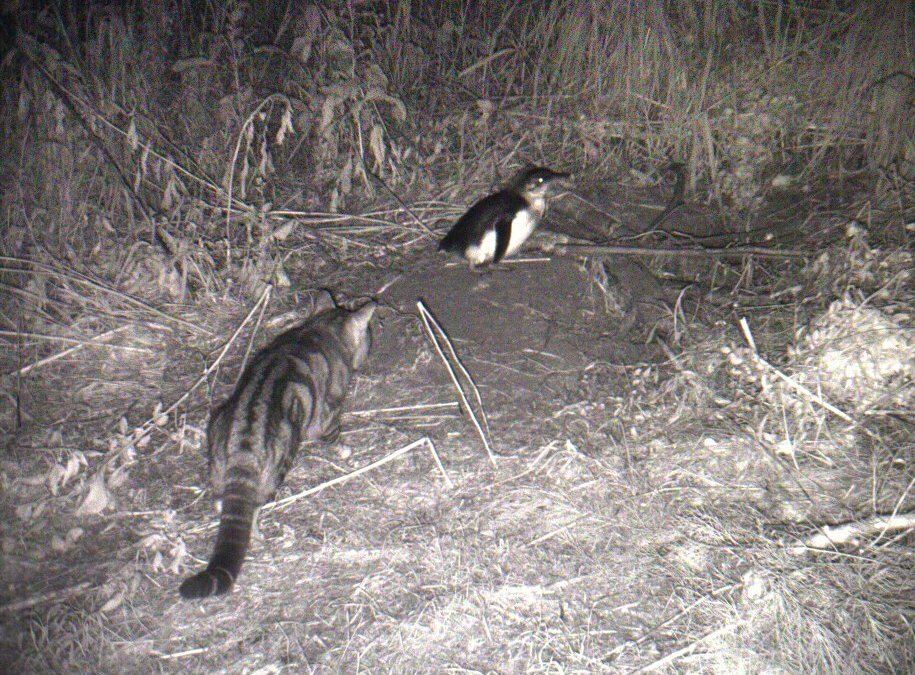
Introduced predators such as foxes and feral cats place significant pressure on native wildlife across coastal and wetland environments, particularly ground‑nesting birds and other vulnerable species.
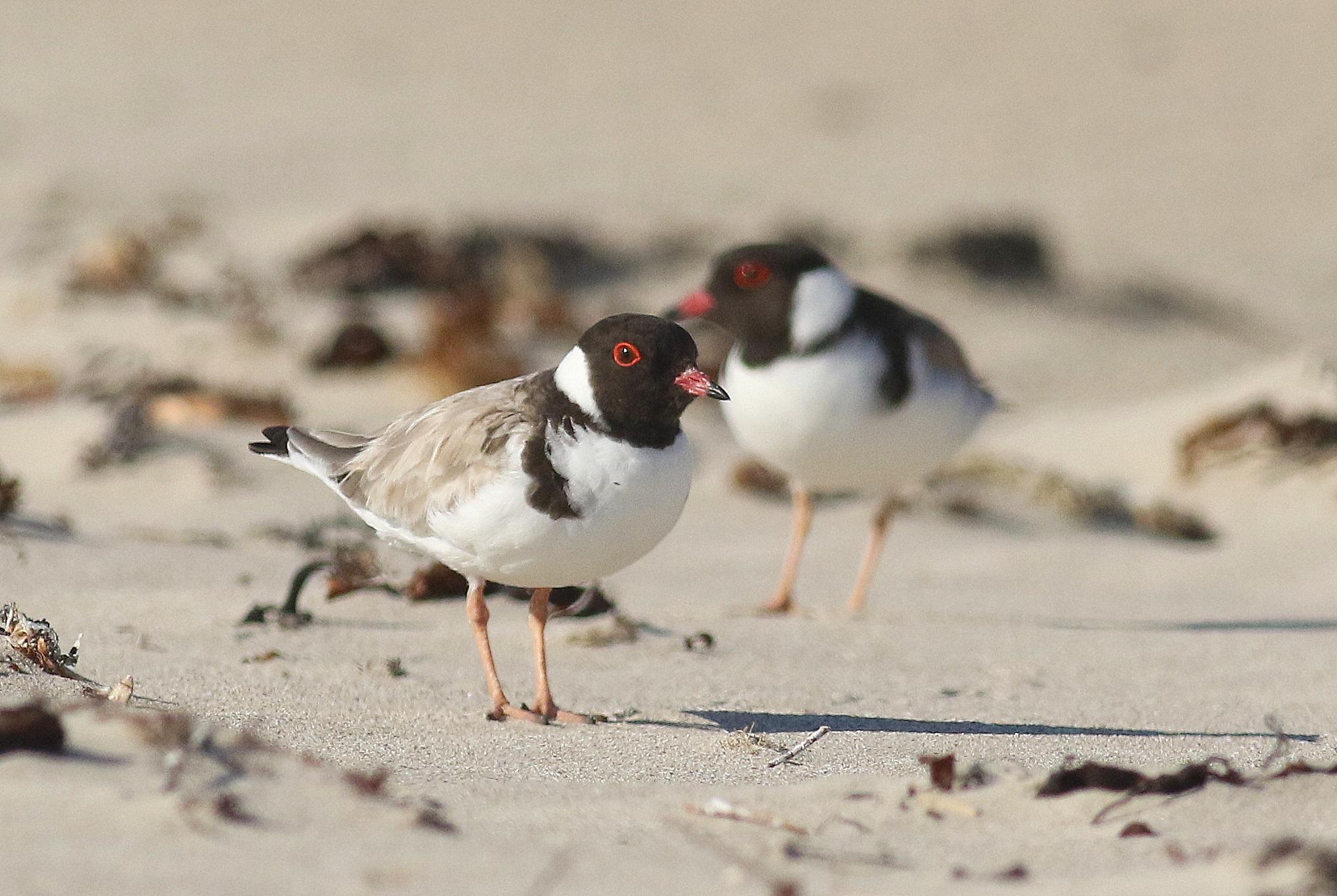
Along the Fleurieu Peninsula and Coorong region, predation and disturbance affect beach‑nesting birds, shorebirds, reptiles and small mammals, contributing to population decline and reduced breeding success.
Work under this project focuses on reducing these pressures through coordinated, targeted predator control in high‑priority areas. By reducing predators, the project supports wildlife recovery, strengthens ecosystem resilience and helps prepare these populations for emerging threats such as bird flu (H5N1).
Work is being undertaken in the below locations.
- Carrickalinga
- Rapid Bay
- Wirrina
- Yankalilla
- Encounter Bay
- Victor Harbor
- Waitpinga
- Goolwa
- Milang
- Tolderol
- Hindmarsh Island
Additional locations will be added as the program progresses
How the work is being delivered
To reduce pressure from predators, a coordinated program of fox and feral cat control is being delivered, including:
- Targeted fox control using a combination of baiting and shooting
- Targeted feral cat trapping carried out by trained and authorised contractors
- Working with local councils, land managers and conservation partners to protect key breeding areas
Keeping pet cats safe during control activities
While the focus of this program is on feral cats, roaming domestic cats may be inadvertently trapped. When this occurs, additional time and resources are required to identify the animal, causing unnecessary stress for both pets and their families.
Residents are strongly encouraged to keep cats confined to their property at all times and to ensure pets are microchipped and wearing a collar. Keeping cats under effective control reflects existing council by‑laws and responsible pet ownership requirements across South Australia. By keeping cats safely contained, residents can help protect their pets while also supporting efforts to safeguard the region’s unique wildlife.
Why this work matters
Foxes and feral cats are among the most significant threats to Australia’s native animals. Reducing predation and disturbance helps protect breeding sites, improves survival of vulnerable species and supports healthier ecosystems. This work also reduces existing pressures on wildlife ahead of future challenges, including the anticipated arrival of bird flu.
This project is being delivered in partnership with the Department of Environment and Water and local councils.
The project is funded by the Australian Government and delivered by the Hills and Fleurieu Landscape Board.