Bushfire recovery support and resources now available for land managers affected by the Deep Creek and Nangkita fires.

Pest animal control
 Back to projects
- Project status Current
Reducing the impact of feral animals and pressure from native species.
Pest animals like rabbits, deer, goats, foxes and cats are a constant threat across the Hills and Fleurieu. Excessive numbers of native species such as kangaroos and little corellas are also increasingly causing local challenges for primary producers, native habitats and towns.
Through our pest animal control programs we:
- Support landholders in managing deer, goats, rabbits, foxes, cats and other emerging pests using best practices.
- Work to reduce the grazing impacts of goats, deer and kangaroos through coordinated control across public and private land.
- Collaborate to manage native species that cause significant impacts, including kangaroos and little corellas.
- By reducing feral animal numbers and managing the pressures from certain native species, we help restore biodiversity and support productive landscapes.

Access support and resources for controlling pest animals on your property
Pest animal control projects
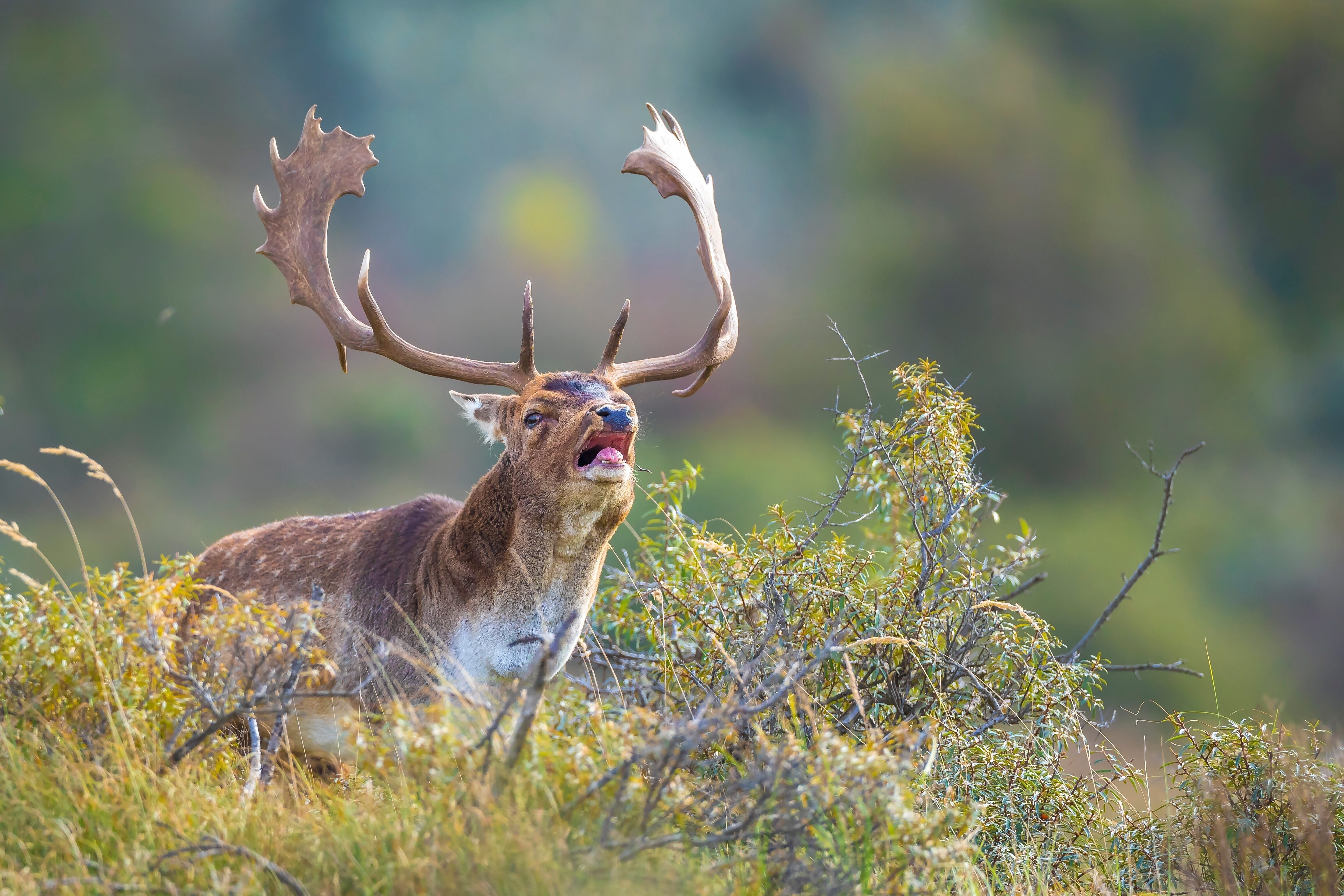
Across the Hills and Fleurieu, several programs and plans focus on managing and eradicating feral deer. These initiatives all work together to reduce the environmental and economic impacts of feral deer while helping landholders meet their responsibilities under the Landscape South Australia Act 2019 to eliminate feral deer on their properties.
Landscapes Hills and Fleurieu is a partner in the following projects
South Australian Feral Deer Eradication program 2022 - 2032
The South Australian Government eradication program to assist landholders and to eliminate the impacts feral deer have on primary industries, the environment and public safety by 2032.Greater Adelaide Peri-Urban Feral Deer Eradication Plan This plan focuses on the eradication feral deer from the Greater Adelaide Peri-Urban Zone by 2032, by tailoring collaborative strategies across complex landscapes of diverse property sizes, communities and land uses. This Plan is aligned with goals and actions of the South Australian Feral Deer Eradication Program 2022-32.
Regional Grazing Pressure Management program
The Regional Grazing Pressure Management Program helps protect properties and the environment in the Hills and Fleurieu by reducing damage caused by feral goats, deer, and over-abundant kangaroos. Funded by the Landscape Levy and delivered with support from government agencies and landholders, the program uses expert teams, contractors, and volunteers to control pest animals in priority areas.Now or Never feral deer and goat eradication initiative
The Now or Never project is a three-year, $1.7 million initiative working across the Hills and Fleurieu, Northern and Yorke, and Adelaide’s peri-urban areas to stop feral deer and goat numbers from getting out of control. It supports landholders with large-scale control efforts using aerial and ground shooting, thermal technology, and expert coordination to protect farms and the environment before the problem worsens.
Landscapes Hills and Fleurieu is a partner in delivering the following projects to eradicate feral goats from the region:
Regional Grazing Pressure Management program
The Regional Grazing Pressure Management Program helps protect properties and the environment in the Hills and Fleurieu by reducing damage caused by feral goats, deer, and over-abundant kangaroos. Funded by the Landscape Levy and delivered with support from government agencies and landholders, the program uses expert teams, contractors, and volunteers to control pest animals in priority areas.Now or Never feral deer and goat eradication initiative
The Now or Never project is a three-year, $1.7 million initiative working across the Hills and Fleurieu, Northern and Yorke, and Adelaide’s peri-urban areas to stop feral deer and goat numbers from getting out of control. It supports landholders with large-scale control efforts using aerial and ground shooting, thermal technology, and expert coordination to protect farms and the environment before the problem worsens.
Kangaroo numbers have grown significantly in the Hills and Fleurieu since European settlement. The removal of natural predators like dingoes and the expansion of grazing land have contributed to their rise. In some areas, high kangaroo populations are increasing total grazing pressure, competing with livestock, damaging native vegetation, and hindering revegetation efforts.
Kangaroo Partnership Project
Landscapes Hills and Fleurieu are partners in the Kangaroo Partnership Project, a multi-region project to address the threats that unsustainably high kangaroo populations pose to the environment and the biodiversity that it contains.This project aims to find the common ground between environmental, economic, social and cultural interests that provide a basis for collaboration and shared responsibility for kangaroo management.
- Regional Grazing Pressure Management program
The Regional Grazing Pressure Management Program helps protect properties and the environment in the Hills and Fleurieu by reducing damage caused by feral goats, deer, and over-abundant kangaroos. Funded by the Landscape Levy and delivered with support from government agencies and landholders, the program uses expert teams, contractors, and volunteers to control pest animals in priority areas.
Hills and Fleurieu Stewardship Program – rabbit and fox control support
The Landscapes Hills and Fleurieu Stewardship Program supports landholders in managing pest animals like rabbits and foxes by offering practical help and expert advice. For rabbits, the program provides access to baits such as pindone carrots and the K5 calicivirus, along with guidance on best-practice control methods to support coordinated efforts across the region. For foxes, landholders can also access expert advice and resources to implement effective control strategies on their properties.
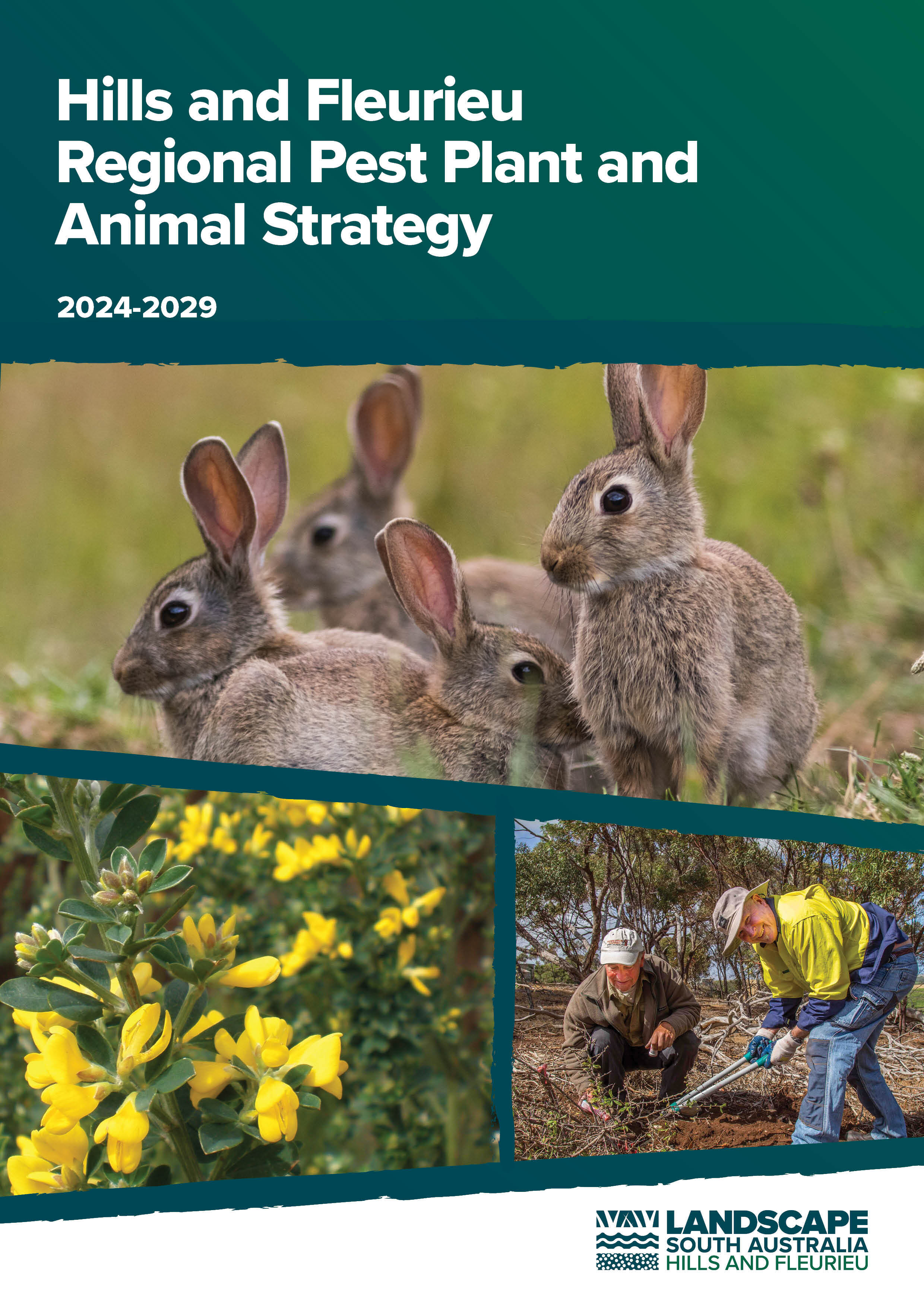
Hills and Fleurieu Regional Pest Plant and Animal Strategy
The Hills and Fleurieu Regional Pest Plant and Animal Strategy to provide guidance for land managers, communities, and stakeholders in tackling pest plants and animals. This five-year plan outlines priorities, responsibilities, and practical approaches to pest management.
The strategy guides efforts through five practical management objectives:
- Prevention – Stop the entry and establishment of new pests.
- Eradication – Target new and emerging pests for complete removal.
- Containment – Limit the spread and impact of pests outside designated areas.
- Asset Protection – Protect key assets by strategically reducing pest impacts.
- Monitor / Limited Action – Track pest populations and raise awareness where full control isn’t yet required.