Bushfire recovery support and resources now available for land managers affected by the Deep Creek and Nangkita fires.

Stewardship News -
Replacing intuition with evidence: data driven on-farm decision making
Good decisions start with good data - but only when that data is accurate, relevant, and grounded in what’s happening on your property. The right information builds confidence, reduces second‑guessing, and helps you target time and resources where they matter most.
On‑farm data comes from many sources. Examples include:
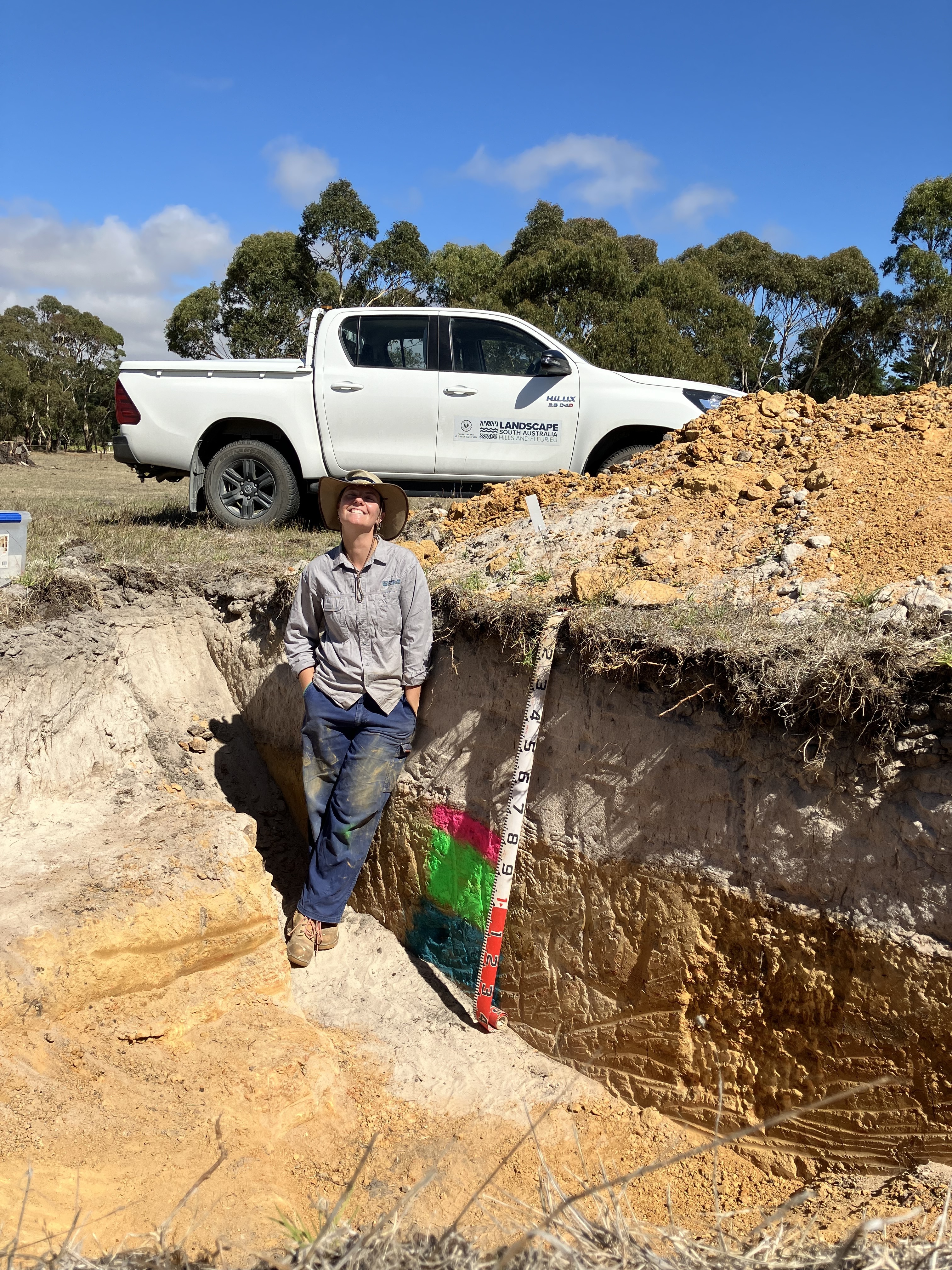
Regular soil testing highlights variability across paddocks, monitors changes over time, and supports efficient input use.
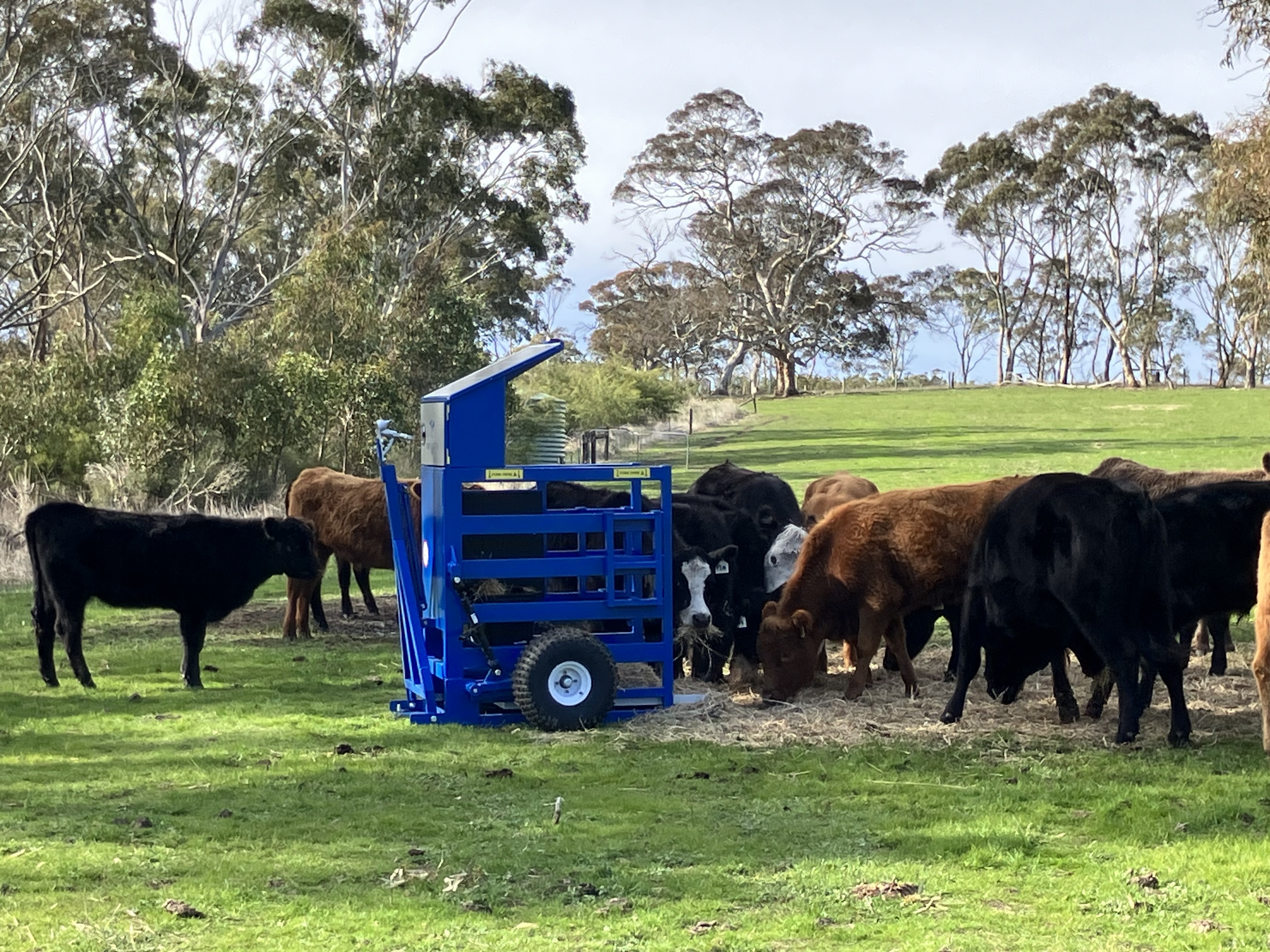
Ag‑tech tools add real‑time insights, such as Optiweigh mobile weight crates loaned through Landscapes Hills and Fleurieu, which are helping producers shift stock to new pastures earlier and reach market sooner, boosting productivity and lowering emissions; a win for profitability and the environment.
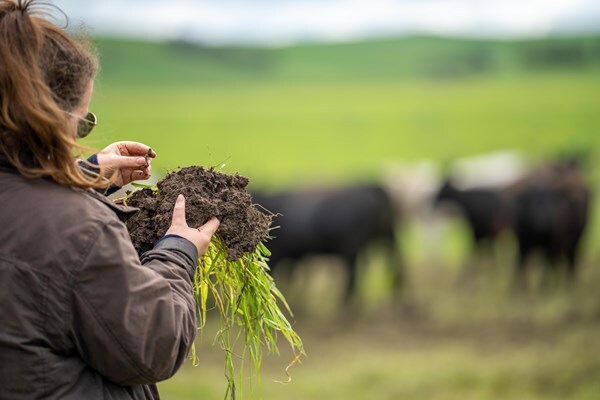
Pasture biomass assessments which measure available feed and support better decisions around stocking rates, grazing rotations, feed budgeting, and maintaining groundcover to protect soil health.
There are many other data collection options, and together, these datasets create a clearer picture of your landscape and business. Take a moment to consider the data you already collect, where the gaps are, and what additional information could help you make more informed, profitable decisions.